Thirteen unprecedented models for a brand that usually plays it safe. Volvo is gearing up for the broadest product offensive in its recent history, delivering a deep overhaul of its electrified lineup. Between 100% electric vehicles and third‑generation plug‑in hybrids, the Swedish automaker aims to reboot in a market that’s been shaken. And it plans to push with real urgency, by 2030.
A historic offensive: 13 new models by 2030
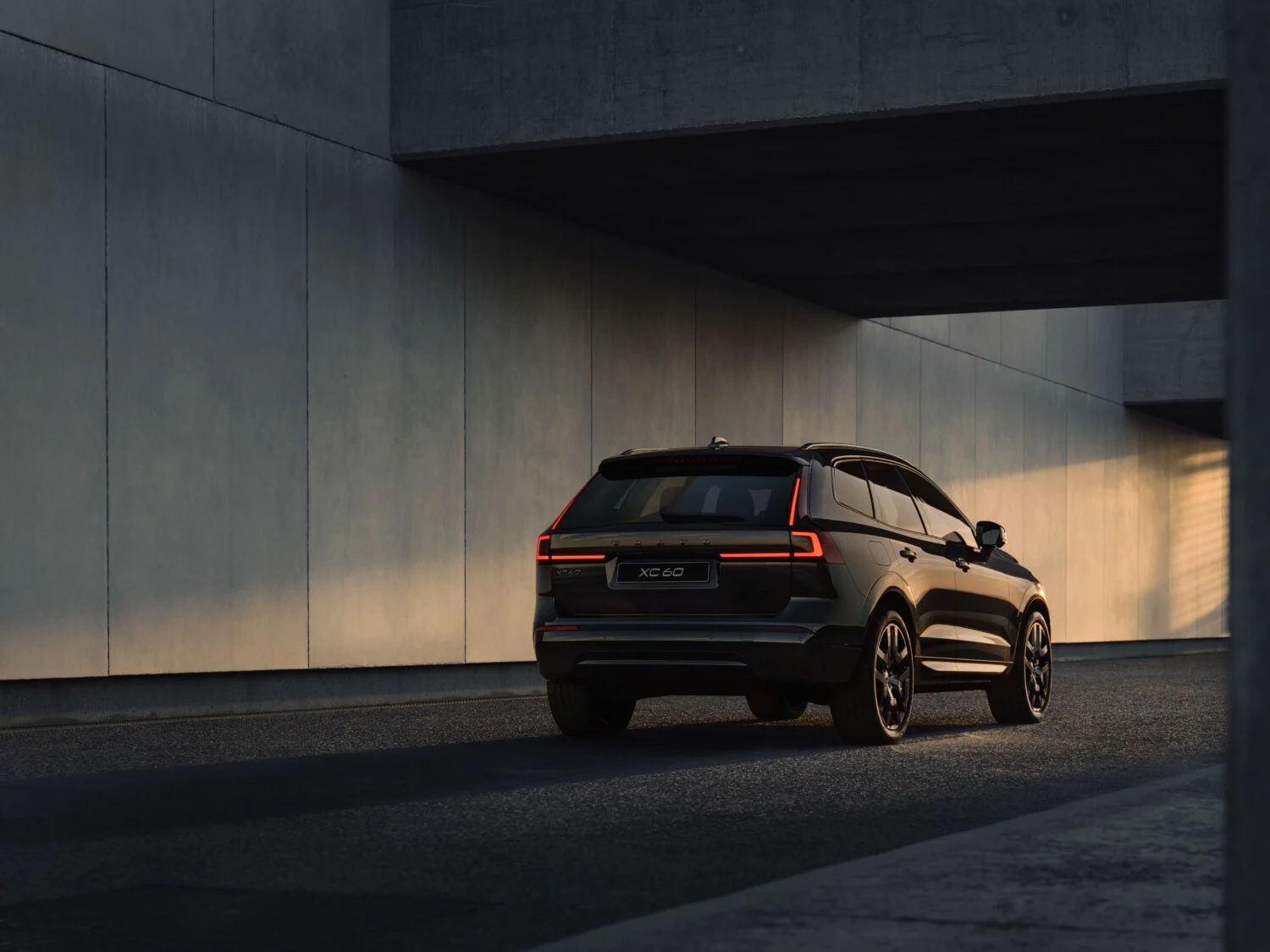
According to materials presented to investors, these 13 models will launch between September 2026 and the end of 2030. This will be Volvo’s busiest period in its 99-year existence. Seven new models will target the European and North American markets, while six others will be developed for China with bespoke specifications. The plan blends battery electric vehicles and third-generation plug‑in hybrids to cover a broad spectrum of customer needs. This sprint comes as global sales fell 11% in the first quarter. They were down 5.6% in the second quarter versus the same period last year.
Volvo aims to use this wave of launches to right its balance sheet. The brand is targeting an EBIT margin above 8%, compared with an expected 3.5% in 2025. To reach that, it will raise the share of common components across its models. The share would rise from about 10% today to 30% by 2030, delivering nearly 5% in savings on material costs.
The six models reserved for China will ride on platforms developed by Geely and feature a dedicated software environment. They will also share numerous parts and a common supply chain with the rest of the lineup. The idea is to shorten development times and to offer more competitive cars in each region.
SPA2, SPA3 and new Volvo electrics
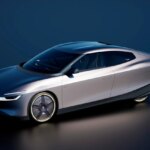
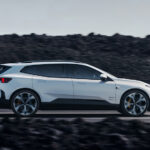
For Europe and the United States, Volvo is announcing seven models built on its SPA2 and SPA3 platforms, reserved for electric vehicles. The former underpins the full‑size SUV EX90 and the sedan ES90, while the latter serves the new crossover EX60. These architectures operate on an 800‑volt system and support ultra‑fast charging. They also rely on the software platform HuginCore. This software stack transforms these models into true “software‑defined cars,” updated remotely. An Automotive News report notes that Volvo is studying, for 2028, an electric sedan and a wagon. Those models could resurrect the S60 and V70 badges, in addition to a new crossover EX50 in the works.
Meanwhile, the China portion of the plan will lean on models designed specifically for that market. They will use platforms and a software base provided by Geely. The goal is to share as many parts as possible to remain competitive against local brands. Volvo also plans to evolve how it sells its cars. Prices are expected to become more transparent, with simplified offers and versions that can be delivered quickly.
“Our showrooms will look very different in 2030,” promised Hakan Samuelsson, chairman and CEO of Volvo Cars. He added: “This is our strongest product lineup of all time, tailored to regional needs and underscoring our ambition to be the leading premium car brand.” These remarks were reported by InsideEVs.