You roll up to the station, glance at the prices, and your brain whispers, “Go cheap.” Your engine, however, doesn’t speak in dollars; it speaks in octane and timing maps. The choice you make at the pump can change how your car burns fuel, manages heat, and protects its parts. As one veteran tuner likes to say, “Octane isn’t a vitamin for power, it’s a safety net against knock.”
What octane really tells you
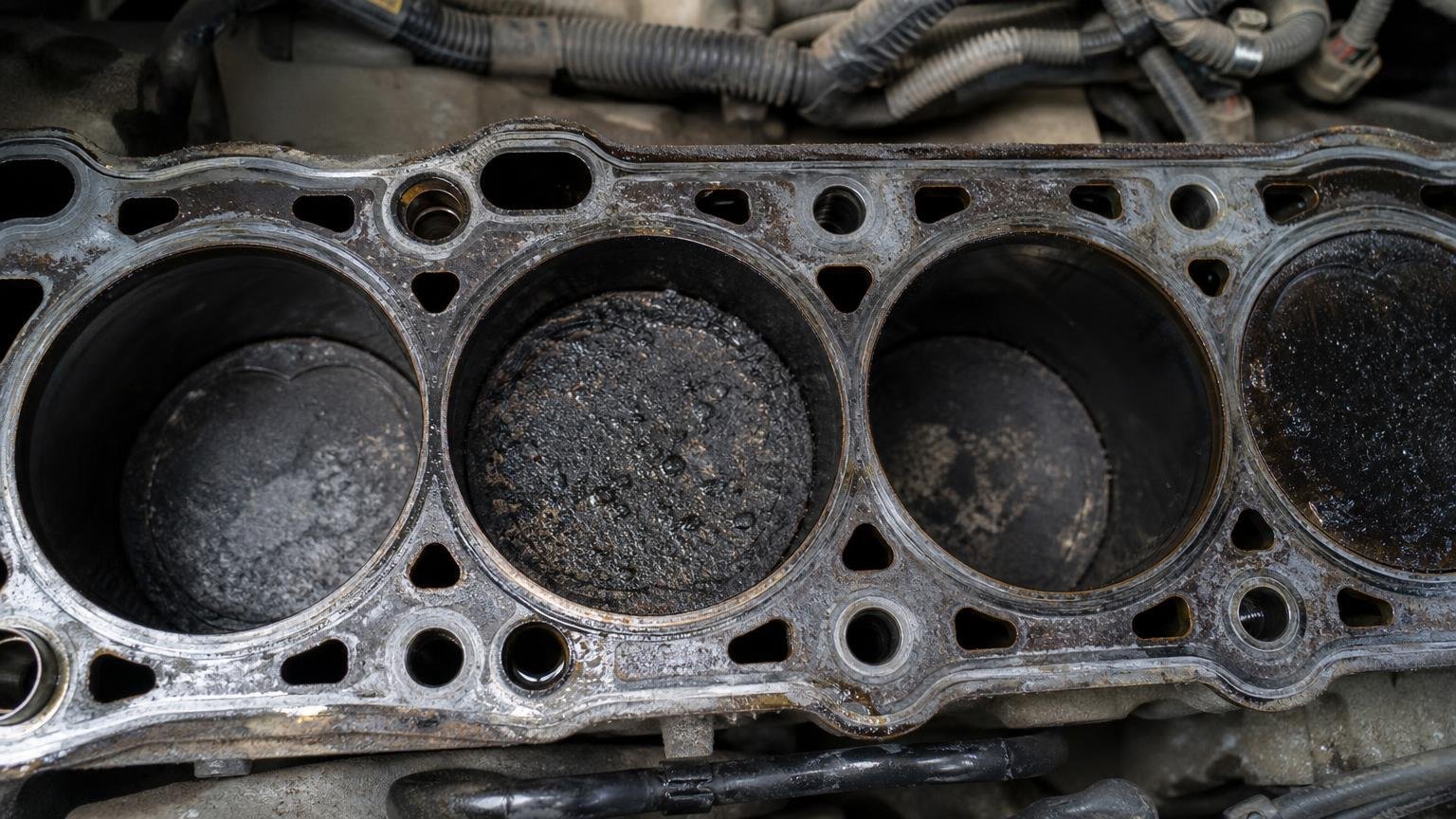
Octane is a measure of a fuel’s resistance to uncontrolled combustion. Higher numbers don’t mean more energy; they mean more stability under pressure and heat. Your engine compresses air and fuel until a spark lights it, but low octane can let the mix ignite early and unevenly. That chaotic burn is called knock, a sharp pressure spike that hammers pistons and bearings. “Octane calms the flame, it doesn’t make it stronger,” as track-day instructors often remind people.
What actually happens if you pick the cheaper stuff
Modern engines use sensors to detect knock and pull back timing when octane is too low. Retarded timing cuts power, softens throttle response, and often reduces efficiency. You might not hear pinging, but the ECU is quietly protecting hardware by trimming spark and boost. On hot days, steep climbs, or heavy loads, a marginal octane choice can push the system to its limits. Small, turbocharged direct-injection engines are especially sensitive to low-speed pre-ignition events that cheap fuel can aggravate. Over time, chronic knock can mean micro-pitting on pistons and more heat soaking into valves and catalysts.
When higher octane isn’t optional
If your owner’s manual says “premium required,” believe it, because the engine’s compression, boost, and timing maps expect that headroom. You’ll notice the difference most under load, where torque targets need knock-free combustion. “Use the fuel your engineers designed around,” say powertrain calibrators, who spend years testing worst-case scenarios. If the manual says “premium recommended,” regular won’t break anything, but you’ll leave performance and smoothness on the table. Extremely hot weather, towing, and track use all tilt the odds toward higher octane.
Detergents, deposits, and the Top Tier label
Octane is one thing; detergents are another story. Both regular and premium from the same brand can share the same additive package, but not all fuels are equal. “Top Tier” fuels meet higher detergent standards that help keep injectors and combustion chambers cleaner. Direct-injection engines are prone to intake valve deposits, which detergents in the fuel can’t directly wash because fuel never touches those valves. Still, strong detergent packages help reduce combustion byproducts that contribute to overall gunk. Premium doesn’t guarantee more detergent; the Top Tier label is the better signal.
Will you save money with the cheaper grade?
Regular often costs less per gallon, but the math can shift if the ECU must pull timing. A small hit to mileage or torque can erase the savings, especially on long highway trips. If premium adds 8% in price but nets even a 3–4% efficiency gain in a sensitive engine, the gap gets narrow. On a car that’s tuned for regular, spending for premium won’t buy magic; the calibration can’t use the extra octane. Track your MPG for two tanks of each and let the data decide.
Altitude, heat, and driving style
At higher altitudes, ambient pressure drops, effectively lowering an engine’s octane requirement. In scorching heat or under prolonged load, the demand for knock resistance goes up. A gentle commute may tolerate regular just fine, while spirited driving benefits from the extra margin. The way you actually use the car matters more than brand folklore.
Mixing, midgrade, and emergency fills
If premium is required and you’re stuck with regular, mixing half-and-half will nudge octane upward and keep the ECU happier. A single tank of lower grade won’t doom an engine that has modern controls, but don’t make it a habit. Conversely, putting premium in a regular-only car won’t add power, unless the calibration is knock-limited in your real-world conditions. As one master tech likes to say, “Octane is insurance, not a supplement.”
Clear signals you’re under-fueling
- Audible ping under load, noticeable loss of power on hot days, rougher idle after heat soak, or a manual that says “premium required” are all strong cues to step up in octane
How to choose with confidence
Start with the manual, then consider climate, altitude, and how you actually drive. Prioritize Top Tier brands for better detergent packages across all grades. If your car says premium recommended, run a simple A/B test with MPG tracking and identical routes. If it says premium required, treat that as non-negotiable engineering, not marketing spin. And remember the simplest truth of all: the right fuel keeps timing where engineers intended, which keeps power, efficiency, and longevity in balance.