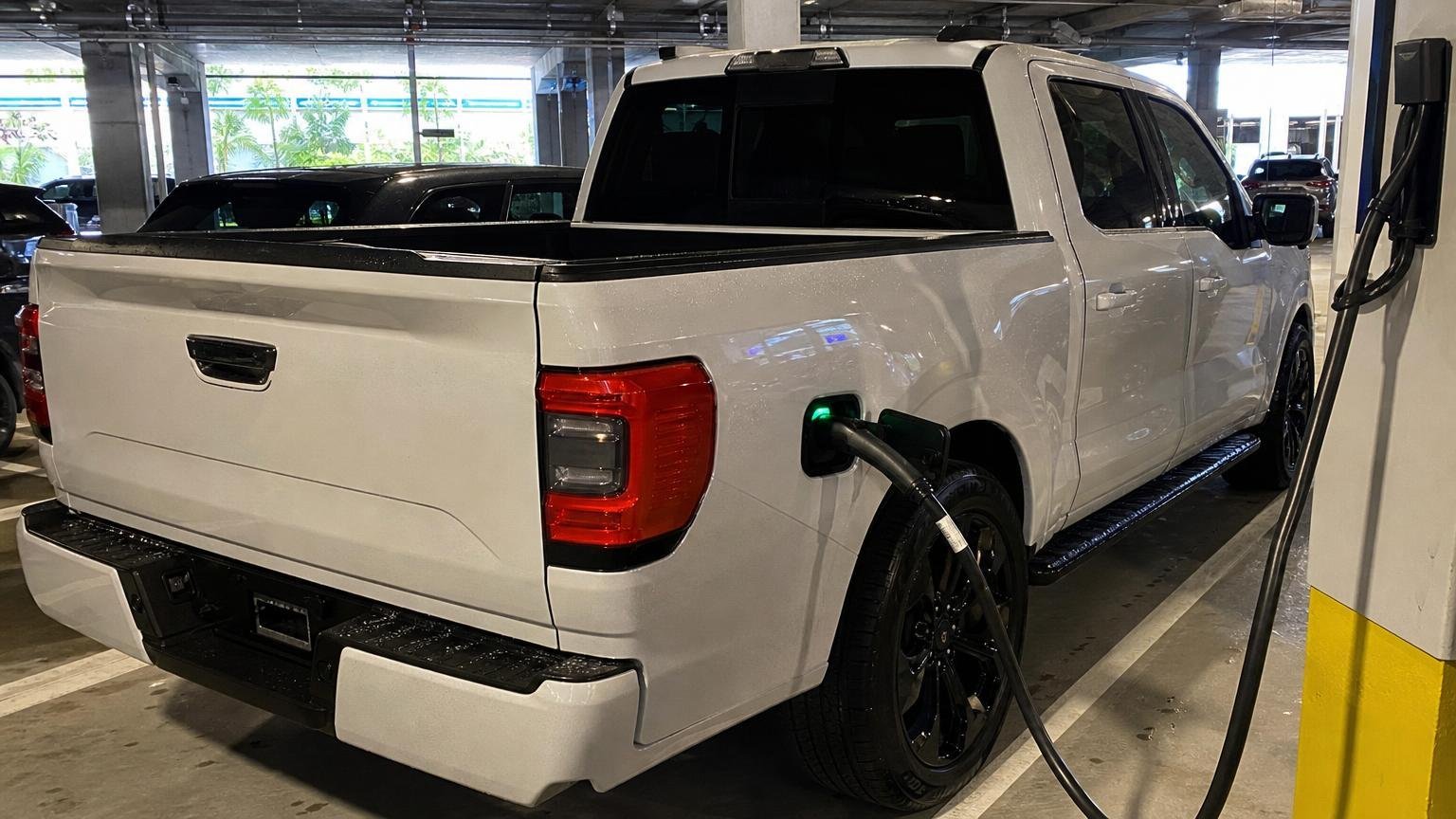
He rolled his carry-on toward the parking shuttle, sunburned and sleepy, already picturing a cold drink at home. The brand-new electric pickup he’d left on a charger was supposed to be topped off, waiting, and ready. Instead, a line of red digits at the exit gate punched through his jet-lag fog and turned a smug plan into a very expensive lesson.
A routine plan that went sideways
He’d booked two weeks abroad, thinking airport charging would be simple. The truck had a big battery, a fat cord, and a dedicated EV spot near the terminal. “Plug in, head out, come back full,” he recalled, still confident as his plane taxied to the gate.
The surprise at the barrier
At the exit kiosk, the screen blinked a balance he couldn’t believe: several thousand dollars. The ticket itemized regular parking, energy consumed, and—hidden in the fine print—“idle” charges stacking minute by minute after the battery hit 100 percent. A generosity-for-early-birds spot had turned into a meter that never slept.
“I thought it was free while you were plugged in,” he said. “Nobody tells you the clock keeps running after the juice is done.”
How the charges ballooned
Airports partner with third-party networks that apply demand-based fees. Many stations tack on per-minute “overstay” or “idle” penalties once charging finishes, meant to nudge drivers into moving so others can charge. Over two weeks, a small fee multiplied like interest on a bad loan.
A printed notice on the pedestal—faded and waist-high—spelled it out: grace period, idle rate, and a line about “active session until vehicle disconnected.” The session never ended, because he never came back. The charger dutifully kept the tally, and his tab kept growing.
What the airport says
An airport spokesperson sounded sympathetic, but firm. “Signage is posted at all EV spaces,” she noted. “The program is designed to discourage long-term occupancy of charging stalls and keep them available.” The rules had been there; the timing choice was his.
The charging network sent a post-trip email that felt as clinical as a receipt. “Your session has completed. Idle fees applied as per policy,” it read. The app had tried to warn him, but his phone was in airplane mode and roaming was off.
The truck’s quiet role
Modern pickups come with apps and alerts, yet they can’t move themselves. He’d set a charge target, but a target only caps energy, not time-on-plug fees. The vehicle hit full, stopped drawing current, and still “occupied” the stall. The system didn’t care that the truck was a silent guest; it counted minutes like a meter maid.
“I figured the worst case was I’d pay a bit for the electricity,” he said. “Turns out I paid for not making room.”
The real price of convenience
The appeal of an on-site plug is obvious: you return to a full pack and a warm or cool cabin. But convenience often hides conditions. When supply is tight, policy leans on penalties to keep the carousel moving. A two-hour courtesy becomes a two-week liability if you gamble on absence.
The receipt showed regular parking under long-term rates, a few dollars of energy, and a towering column of idle fees. Add a processing charge, plus the time wasted arguing at the booth, and the experience felt like paying a luxury tax on being uninformed.
Lessons that stick
He drove out feeling both angry and oddly lucky—lucky that the truck hadn’t been towed, booted, or vandalized. “I wanted to love the whole EV thing,” he muttered. “Now I’m reading the tiniest print on every sign I see.”
An EV advocate he later called was blunt: “Airports aren’t long-term charging depots. They’re throughput hubs. Treat those stalls like a loading zone.”
How to avoid the same fate
If you’re leaving a vehicle for more than a day or two, treat chargers as short-stay resources, not parking spots. A little planning beats a catastrophic tab. Try these moves:
- Use long-term parking without a charger, arrive with a comfortable buffer, and top off near home or on the route back. If you must plug in, schedule a valet relocation service or ask a friend to move the truck after charging completes.
What airports could do better
Airports could post bigger, brighter warnings, cap total fees, and force-session cutoffs after a set window. Dynamic pricing could slow after midnight or during low demand. Most importantly, the pay screen at entry could show a live “estimated maximum,” turning the invisible into the obvious.
A staffer at the booth offered a human take. “People assume the plug means permission,” she said. “We see this every month. Education beats escalation.”
A modern travel tale
Two weeks of weddings, beaches, and meetings ended with a frigid jolt of policy. Technology solved the range problem and created a new one: the cost of holding a scarce socket in a crowded place. Airports will keep charging; chargers will keep counting; and drivers will learn to treat that cable like a shared resource.
Back home, he set new habits. He scouted reliable fast chargers near his office, saved a valet number in his phone, and put calendar alerts next to trip itineraries. “The truck’s still the best thing I’ve bought this year,” he admitted. “I just didn’t expect the priciest part to be a parking lot lesson.”