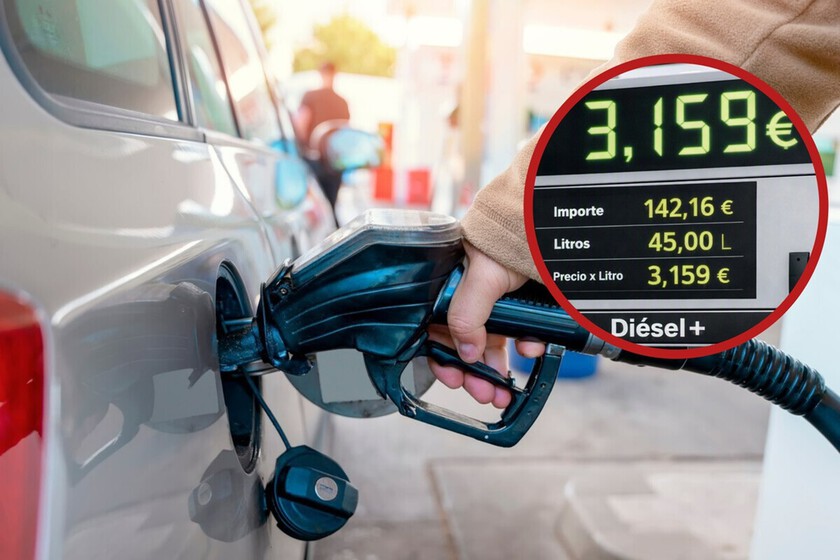
Europe is currently paying a daily overcost of €203 million for diesel as a consequence of the wars: this is the conclusion reached by a report from the lobbying group Transport & Environment (T&E). And diesel is vital to keep the economy running: four out of ten cars on European roads are diesel-powered, not to mention freight trucks, of course.
In this scenario, the environmental lobby calculates that eight oil companies have earned €7.5 billion in extraordinary windfall profits in Europe during the first half of 2026. That’s why there are countries that are already calling to put a cap on it.
Germany Takes a Firm Stand: The EU Must Act
Six European countries have called for a windfall profits tax on energy companies: Spain, Germany, Portugal, Poland, Austria and Italy. With these taxes, the aim is to implement measures to support citizens in the middle of this energy crisis.
The Finance Minister, Lars Klingbeil, has been blunt and has accused that energy companies “are exploiting the situation, inflating prices and significantly increasing their profits.” From Spain, the Economy Minister, Carlos Cuerpo, has called for “more fair ways to distribute the cost,” referring to what the State allocates in subsidies to soften the high fuel prices.
It Was Implemented in 2022, and It Could Be Done Again
The truth is that this measure was already put in place in 2022, when Russia’s war against Ukraine broke out: a 33% tax on windfall profits that raised around €28 billion in two years. The problem: this measure requires unanimity within the European club, and it does not seem likely to occur.

From T&E they warn that BP, Shell, Eni, Orlen, Repsol and OMV have doubled their profits in the EU during the second quarter of this year compared to the same period of the previous year. According to the report, the windfall profits at the EU level for refiners and distributors will reach €24,000 million this year if margins stay at current levels.
Rather than cutting taxes on fuels and applying temporary tax exemptions, T&E proposes investing in scrapping programs to renew the aging European fleet:
“Politicians are weighing the possibility of increasing refining capacity and cutting fuel taxes, which will only prolong the situation and shift the burden to taxpayers. The longer the conflict lasts, the more expensive the diesel price premium in Europe will become,” said Isabell Büschel, director of T&E Spain.