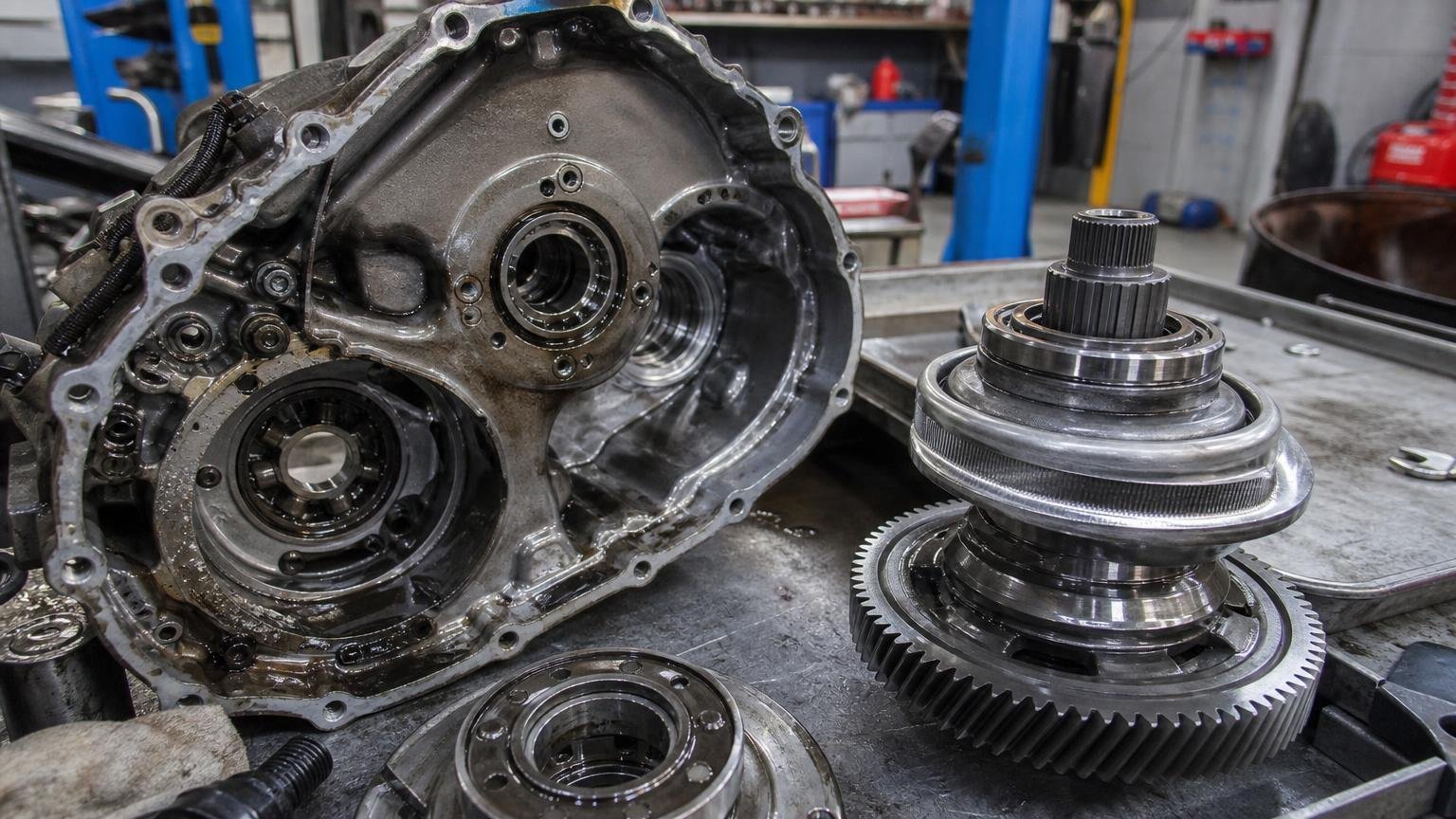
Smooth commuters love the promise of CVT efficiency, but past the six-figure mile mark, reality can get expensive. The hardware still moves, the fluid still flows, yet small tolerances shift and heat quietly taxes every part. If you’re hunting a used car with this transmission, go in with open eyes and a methodical plan.
Why miles change the math
A CVT relies on a steel belt or chain squeezed by variable pulleys, running under high pressure for countless cycles. Over time, minute pulley-face wear and belt stretch create more slip, demanding even more pressure to hold. That pressure means more heat, and more heat means more shear to the fluid that’s doing all the work.
Bearings start to sing, pumps lose tiny bits of efficiency, and control valves get sticky with varnish from tired fluid. None of this fails on day one—it accumulates, quietly, past the odometer milestone where many budgets get tight. As one veteran tech put it, “Heat kills CVTs, but it does it politely.”
Early whispers of trouble
Listen for a steady whine that changes with road speed, not engine RPM. Feel for a low-speed shudder around 15–35 mph under light throttle, the classic “rubber-band” stumble. Watch for delayed engagement shifting from Park to Drive, or a harsh bump into Reverse.
Note any RPM flaring without matching acceleration, and beware of a trans-temp or generic overheat warning after a highway pull. Pull the dipstick (if equipped): fluid should be clean, rose-to-amber, and not burnt. “If it smells like toast, you’re buying someone else’s heat history.”
Pre-buy checks you can do in 30 minutes
- Cold start: check for delayed Drive/Reverse engagement, abnormal idle drop, or violent clunks
- Low-speed loop: creep in a parking lot, feel for judder or granular vibration
- Moderate throttle: steady 20–50 mph acceleration, watching for RPM flaring
- Hill test: hold light throttle on an incline, checking for slip or moan
- Highway: 65–75 mph cruise, then gentle and firm passes, listening for whine
- After drive: recheck fluid color/smell, look for foaming or metallic sparkle on a paper towel
- OBD-II scan: hunt for stored or pending P07xx codes, temperature data, and adaptation values
- Visuals: inspect cooler lines, case seams, and pan area for leaks
The road test that tells the truth
Start stone cold; problems hide when everything is toasty. Shift into Drive, pause, then into Reverse—count the delay in seconds and note any thud. On the street, apply a smooth half-throttle roll, tracking RPM against road speed—you want a clean, coordinated rise, not surge-and-settle drama.
Find a gentle hill and hold 1,500–2,000 RPM; a healthy unit maintains speed without hunting or buzzing. If there’s a manual or “L” mode, engage it; inconsistent ratio steps or refusal to hold a “gear” hint at control issues. After 20–30 minutes, park, idle in Drive, and listen—bearing whine is loudest at hot, no-load conditions.
Paperwork, data, and fine print
Records matter more than promises. Look for fluid services every 30–60k miles, always with the correct OEM-specified fluid and exact fill procedure. Wrong chemistry can swell seals, alter friction coefficients, and poison the valve body.
Search for technical service bulletins, software updates, and extended coverage that may still apply. If a previous replacement is documented with a remanufactured unit, that can be a net positive—newer calibrations and refreshed hardware often outlast the original. “Don’t buy the story; buy the evidence,” as one independent inspector likes to say.
What’s actually failing—and why it’s pricey
Common pain points include belt/chain slip, pulley-face scoring, pump and bearing fatigue, valve-body wear, and temperature management shortfalls. Once metal starts to shed, the debris circulates, scuffing more surfaces and jamming tiny passages. It’s a feedback loop that pushes the unit toward limp mode or full failure.
Costs vary by car and region, but replacements commonly land between $3,000 and $7,000, with some outliers higher. Used units are cheaper but carry the same unknown history; a quality reman with updated parts and warranty is often the smarter splurge.
Negotiation and risk management
Price the risk into the deal. If the road test reveals mild judder or fresh fluid with no records, budget a proactive service and cooler flush—and negotiate accordingly. If you catch hot whine, repeated engagement delays, or stored ratio errors, walk—or demand a price that assumes full replacement.
For keepers, install a clean external cooler where appropriate, follow short-interval fluid changes, and monitor temps via OBD on long grades or hot climates. Light throttle, smooth inputs, and avoiding heavy towing keep pressure and heat in check. As another shop owner quips, “Treat a CVT like a runner—hydrate, cool, and it’ll keep going.”