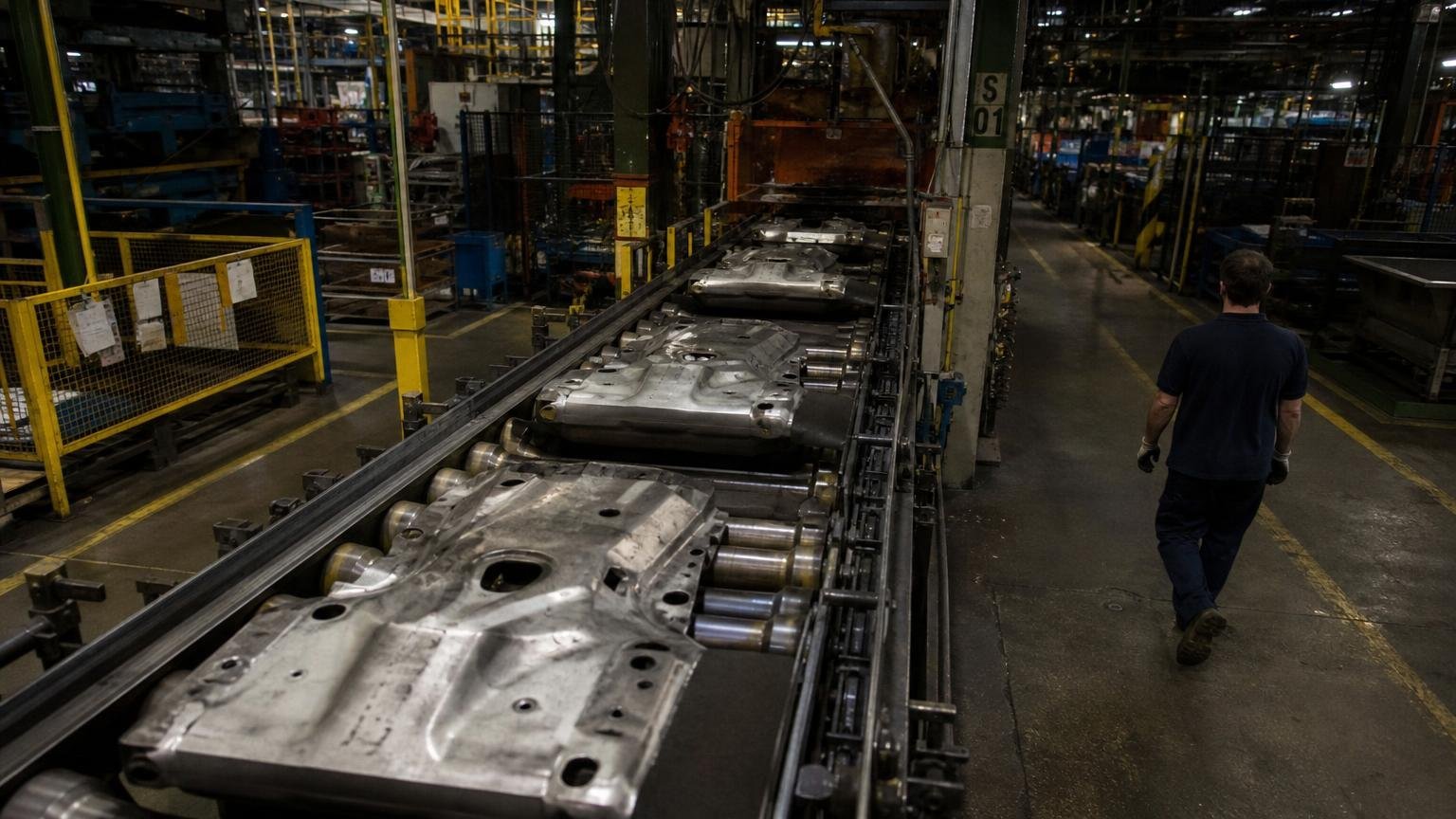
The news hit Detroit before dawn, and it felt heavy. A century-old auto parts supplier moved to protect itself from creditors, sending a shock through factory floors and office corridors alike. Roughly 1,400 jobs now hang in the balance, and with them the stability of paychecks, neighborhoods, and routines that power the Motor City.
Workers described a mix of resignation and resolve, the hard-edged calm that comes from years on the line. “We’ve seen downs and ups,” one veteran assembler said, “but this one feels different.” The filing doesn’t guarantee closures, yet it opens the door to uncertainty that spreads faster than any conveyor belt.
Management framed the move as a pause, not a period. In a statement, leadership called restructuring a “necessary reset to stabilize operations and protect as many roles as possible,” pledging to keep plants running while the court process unfolds. For many, that promise is both reassuring and thin as sheet metal.
How a stalwart slid into distress
The company’s troubles trace a familiar arc across the supplier map. Years of pricing pressure from automakers, a capital-intensive pivot to EVs, volatile commodity costs, and higher interest rates formed a grinding gear train that finally jammed. Add pandemic-era supply snarls and uneven production schedules, and even seasoned operators got squeezed.
“Nobody plans to be fragile, but a few bad quarters can snowball into a crisis,” said a Midwest-based restructuring advisor. “When orders shift, the debt still wants its pound of flesh.” The old model—long runs, predictable volumes, patient bank lines—has ceded to shorter programs, faster retooling, and balance sheets built for storms, not sprinkles.
The push toward electrification has been both a promise and a burden. Engineering new components demands cash, while legacy lines still require care. Many mid-tier suppliers now straddle two eras, investing in tomorrow while maintaining parts for today, a costly dual-track that strains thin margins.
What 1,400 threatened jobs mean
For families, the headline number hides texture. It’s the mortgage due on the 15th, the co-pay for a child’s checkup, the diner that serves third-shift breakfast at 6 p.m., the church fish fry that raffles off a donated toolbox. In Detroit, employment is not just a statistic, it’s a web of mutual obligation.
The immediate concerns crowd in fast:
- Health insurance continuity and out-of-pocket costs
- Timing of any temporary layoffs or shift cuts
- Vacation payout, severance eligibility, and WARN notices
- Status of pensions and 401(k) employer matches
Unions, where present, will want clarity on bumping rights, overtime rules during transitions, and whether any plant-level MOUs still stand. City officials will weigh ripple effects on tax receipts, school district funding, and support for local small businesses tethered to shift patterns.
Inside the Chapter 11 playbook
A court-supervised restructuring can look brutal, yet it’s designed for breathing room. Expect motions on day one covering payroll, critical vendors, and access to debtor-in-possession (DIP) financing. Creditors will jockey for priority, while the company maps a path to reduce debt, sell non-core assets, or consolidate overlapping footprints.
If operations continue, customers get time to maintain supply. If buyers emerge for certain lines, they’ll push for “free and clear” sales to shed legacy liabilities. “Speed is a feature, not a flaw,” noted a restructuring attorney. “Every week in Chapter 11 either builds confidence or burns it down.”
For employees, the most telling signal is tooling movement and purchase orders. If OEMs keep volumes steady and fund tooling support, work can stay put through the process. If orders drift or packaging starts to shift, trouble gains traction.
The automakers’ dilemma
Carmakers are balancing two instincts: stabilize the chain or protect their own schedules by moving work. Dual-sourcing sounds simple, but transferring tooling, PPAPs, and quality sign-offs is a time-consuming maze. JIT systems leave little slack, and one missing bracket can idle an entire assembly line.
OEMs have developed playbooks for distressed suppliers, including bridge loans, accelerated pay terms, or on-site operational support. Yet they also face quarterly targets, union relationships, and model-year deadlines. The path chosen will say a lot about current inventory buffers and risk tolerance.
What to watch in the weeks ahead
Keep an eye on DIP financing terms—generous liquidity buys precious time, while tight covenants compress options. First-day orders will reveal how much flexibility management retains and how vendors get treated. A stalking-horse bidder for certain divisions would signal a targeted sale strategy rather than a broad reset.
Also watch worker communications: transparent updates reduce rumor mills and attrition of skilled talent. Any uptick in overtime or weekend shifts could indicate stabilizing demand; sudden schedule cuts might hint at customer exits. Local and state economic development agencies may step in with training grants or retention packages to keep jobs in the region.
None of this is preordained. Detroit has a long memory and a longer spine. With pragmatic leadership, engaged customers, and smart court strategy, a battered manufacturer can still emerge more focused and less levered. The next few weeks will tell whether this storied nameplate finds its second wind, or becomes another cautionary footnote in the industry’s relentless turn of the wheel.