In Brief
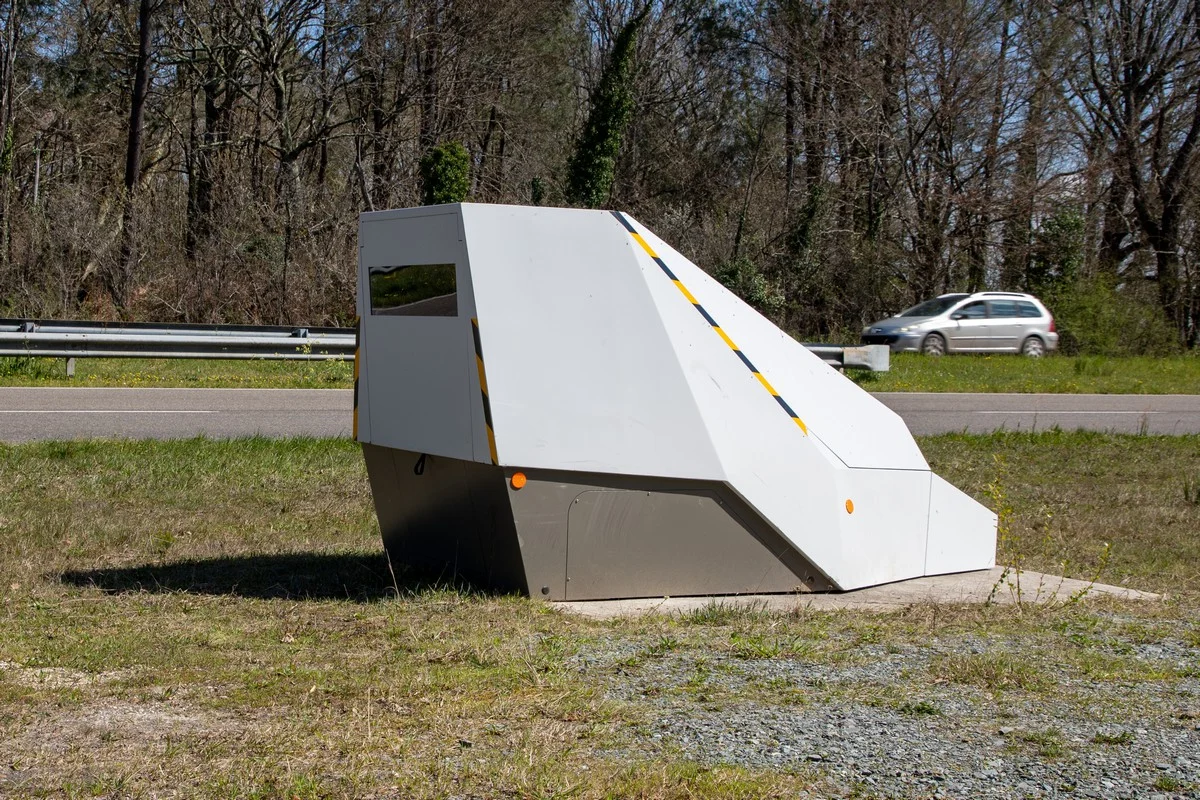
The autonomous speed camera recently installed on Paris’s outer beltway at Porte de Montreuil, set to a 30 km/h limit (about 19 mph), will be removed after generating an astonishing number of flashes. Its removal, announced by the Paris Prefecture for technical reasons, comes with an extraordinary measure: the cancellation of all fines issued since its activation. Until it is relocated, the radar will stay in place but will emit only educational flashes, with no penalties. This episode ends the controversy surrounding what many drivers termed a “crazy radar.”
It took only a few days for this radar on Paris’s ring road to become a major talking point. Installed near Porte de Montreuil and configured to a 30 km/h limit, this autonomous device quickly earned a reputation as a “crazy radar” due to the staggering number of flashes observed. The Paris Prefecture has ultimately announced its upcoming removal from that location. Even more surprising: fines recorded since its activation will be canceled.
A 30 km/h Zone on the Ring Road
The device appeared on August 24 on the outer ring of Paris, at Porte de Montreuil. It is an autonomous radar, a category of equipment often nicknamed “construction-zone radars” because they are regularly deployed near roadworks.
Its peculiarity lies mainly in the speed it enforces. While the general limit on Paris’s ring road is 50 km/h, this stretch was temporarily restricted to just 30 km/h. The presence of a work zone indeed led authorities to impose a slower pace at this spot.
The result: when traffic flows smoothly, triggers can come one after another at a particularly rapid pace. The radar’s operating frequency quickly drew attention. According to observations reported by the source, the association Forty Million Motorists counted no fewer than 18 triggers in five minutes of observation.
Why is the “Crazy Radar” Being Removed?
Some users viewed its placement and its configuration as especially deceptive. The situation, however, is set to change as the Paris Prefecture has decided to move the device.
Officially, the decision isn’t framed as a consequence of the controversy surrounding the radar. The Paris Prefecture cites “technical difficulties with the device” to explain its upcoming removal from Porte de Montreuil. The autonomous radar will thus be installed at another location.
Most importantly, however, is the measure for motorists already flashed. Fines recorded since the device’s installation must be canceled. In other words, speeding violations detected by this radar since it went into service will not result in penalties being issued.
Be careful not to be surprised if the radar keeps triggering in the days ahead. Until its removal, the device will remain operational. The difference is notable: according to the Prefecture, these flashes will have only an educational purpose.
A driver exceeding 30 km/h may still see the device flash. But no ticket will be mailed to the vehicle’s registered address.
Thus, the Montreuil radar episode will have been brief. After flashing numerous times and provoking widespread reaction, it must leave its location for officially technical reasons. This move is paired with a rare measure worth noting: the cancellation of fines recorded since its installation.
Comparison Table
| Observation Period | Number of Flashes |
|---|---|
| 5 minutes | 18 |
| 30 minutes | 35 |
Key Takeaways
- The autonomous radar at Porte de Montreuil on the Paris ring road will be removed.
- This device, set to 30 km/h, generated a very high number of flashes in a short period.
- The removal decision is officially tied to “technical difficulties.”
- All fines recorded since its installation will be canceled.
- The radar will remain temporarily in place, but its flashes will be purely educational.
- The episode highlights motorists’ sensitivity to temporary changes in speed limits on the ring road.
FAQ
Why is the Porte de Montreuil radar being removed?
The Paris Prefecture cites technical difficulties with the device to explain its removal and relocation to another site.
Will the radar’s fines be canceled?
Yes, all fines recorded since the radar began operating will be canceled, and no ticket will be issued.
Will the radar continue to flash vehicles?
Yes. Until its removal, the radar will stay in operation, but its flashes will be strictly educational.
What was the maximum speed allowed at that location?
The affected stretch of the ring road was temporarily limited to 30 km/h due to work.
How many times was the radar triggered?
Reports noted up to 18 triggers in 5 minutes and 35 triggers in 30 minutes.