
In Brief
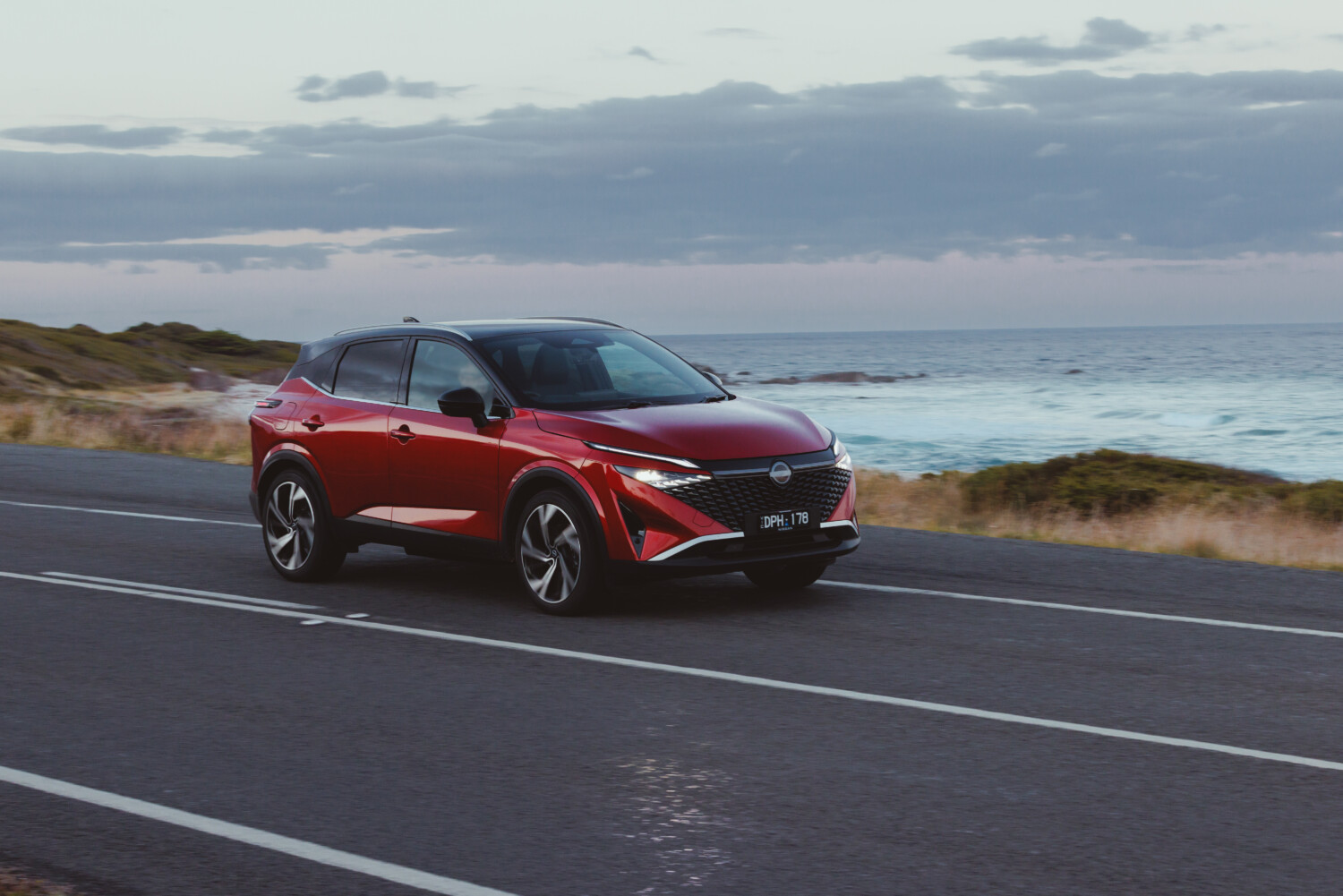
The Nissan Qashqai e-Power covered 1,980 kilometers in Colombia without refueling or recharging, earning a Guinness World Records-certified distinction. The journey, from Bogotá to the Caribbean coast, highlights e-Power’s setup: a combustion engine that runs solely as a generator to feed the battery and an electric motor that provides the traction. The route largely benefited from a long downhill stretch, which aided energy recovery. Nissan did not disclose the exact fuel economy or the detailed itinerary, making comparisons with everyday use difficult.
The Japanese compact SUV has just added another line to its résumé. Guinness World Records-certified. The Nissan Qashqai e-Power linked Bogotá with the Caribbean coast without stopping at a gas station. Entertaining as a PR exercise, this time the focus is on a real feature of the vehicle.
A Guinness-certified record from Bogotá to the Caribbean Sea
The operation took place in Colombia from July 14 to July 17, 2026. Starting from Bogotá, located in the country’s center and perched at about 2,640 meters above sea level, the Qashqai e-Power reached the Caribbean coast after a 1,980-kilometer journey—1,230 miles—without external recharging or fuel stops.
Nissan claims the title of the longest trip by an SUV with a range extender that does not require recharging. Independent judges commissioned by Guinness World Records monitored every stage of the test before validating the distance following a detailed verification process.
The maker notes that the trip blended different road types, traffic conditions, and varied driving situations. It remains notably vague about the exact route and the reported average consumption. Those two data points would have offered a clearer yardstick for judging the feat.
The operation was nonetheless carefully bounded, with official certification and a distance verified by a third party. Hats off to Nissan.
A downhill tailwind that likely helped
The route’s profile deserves emphasis. Reaching the coast from a plateau at more than 2,600 meters requires a long downhill stretch, which is ideal for the brake-energy recovery system.
In these conditions, translating this result to everyday use in the U.S. would be tricky. For reference, our testers noted an average of 5.3 L/100 km during a week-long test behind the wheel of the same Qashqai e-Power.
That’s a respectable figure for a compact SUV, but not extraordinary next to rival hybrids. At that level of consumption, nearly 2,000 kilometers would require a well-filled tank and especially careful driving.
Nissan has not shared details about these parameters, leaving some ambiguity about the exact conditions of the attempt. The manufacturer only notes that the vehicle used the latest generation of the e-Power system, the one that equips the restyled Qashqai sold in Europe.
How Nissan’s e-Power technology works
The Qashqai e-Power’s drivetrain is markedly different from conventional hybrids. The 1.5-liter turbocharged gasoline engine, rated at 154 horsepower, never drives the wheels. It serves solely as a generator to feed a 2.1 kWh battery and an electric motor delivering 188 horsepower and 330 Nm of torque.
That electric motor is the only one transmitting power to the front axle. There’s therefore no conventional transmission or gear shifting. This makes the driving feel closer to that of a 100% electric car, with immediate throttle response.
“This remarkable record once again demonstrates the capabilities of Nissan’s latest e-Power technology,” commented Richard Candler, head of product strategy and components. The executive highlighted efficiency, comfort, and EV-like handling. He views it as a step in the automaker’s shift toward full electrification, particularly by letting more drivers enjoy electric driving without needing to plug in.
The previous Guinness record for the Qashqai, set two years earlier, involved the highest car-based bungee jump at 65 meters. That feat had nothing to do with the SUV’s core qualities.
This latest record, at least, shines a light on a truly differentiating in-house technology. Yet without official consumption data or route specifics, the exercise remains largely a marketing showcase. Will Nissan repeat the demonstration on a less favorable route?
Comparison Table
| Metric | Value |
|---|---|
| Distance traveled (Guinness record) | 1,980 km / 1,230 miles |
| Starting altitude (Bogotá) | 2,640 m |
| Average consumption during a previous test | 5.3 L/100 km |
| Battery capacity | 2.1 kWh |
| Gasoline engine | 1.5 turbo 154 hp |
| Electric motor | 188 hp (330 Nm) |
| Previous record (bungee jump) | 65 m |
The Bottom Line
- The Nissan Qashqai e-Power ran 1,980 km in Colombia without refueling or charging, earning a Guinness World Records designation.
- The feat was validated by independent Guinness World Records judges.
- The route included downhill stretches that aided energy recovery.
- Nissan did not disclose the consumption figure or the detailed route.
- The e-Power tech relies on a gasoline engine used solely as a generator to power the electric drive.
- While it highlights the efficiency of the latest e-Power generation, the record is largely a showcase and PR effort.
FAQ
How far did the Nissan Qashqai e-Power travel for its record?
The SUV covered 1,980 km between Bogotá and the Caribbean coast in Colombia without refueling or recharging.
Was the average consumption disclosed during the record?
No, Nissan did not disclose the average consumption for this exceptional trip.
What is Nissan’s e-Power technology?
The gasoline engine acts only as a generator to feed the battery, while the electric motor handles the drive.
Is the record route representative of daily driving?
The route included a long downhill segment that aided energy recovery, so it does not reflect typical daily use.
Was the record officially certified?
Yes, it was monitored and validated by Guinness World Records judges through a detailed verification process.