
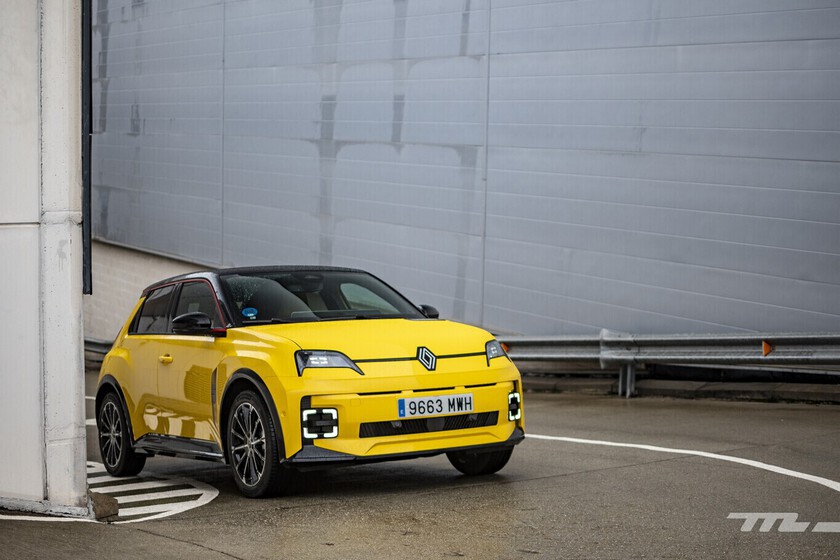
Used car sales of diesel and petrol vehicles are down, yet sales of electric cars and plug-in hybrids continue on an opposite path. They have risen by 45.3% so far this year.
It marks a shift in trend driven by the influx of newer vehicles, the stabilization of prices, and buyers who mainly come from petrol or diesel, undoubtedly alarmed by the rising cost of fuel.
More plug-ins and less gasoline and diesel
In Spain, GANVAM and Faconauto data for June confirm the trend. Sales of pure-electric used cars have accumulated a 45.3% increase in the first half, reaching 18,677 units. Used plug-in hybrids rise even more, by 49%, to 28,552 units.
The overall used-market, with 1,091,218 units in the semester (+1.9%), remains dominated by diesel and petrol, but both are retreating. Diesel falls 4.2% and petrol 0.3%. The contrast is clear. While the internal combustion engine loses momentum, the plug-in gains share, though still modest: only 4.3% of second-hand passenger cars sold in Spain are plug-ins.

BYD Sealion 7.
The real engine of the semester, it should be noted, is not only the electric. It is fleet renewal. Sales of cars sourced from leasing rise 21% in June and rent-a-car sales, 15.5% year-to-date, which explains a large part of the jump in Madrid, with a monthly +43.3% that drives the national statistics.
The used electric market benefits from that shift; it is precisely fleets that first introduced plug-in into the fleet and now return it to the second-hand market.
Spain’s case is not isolated; across Europe, second-hand electric cars are rising while sales of traditional-motor vehicles are falling. France offers the clearest picture of where Europe is headed.
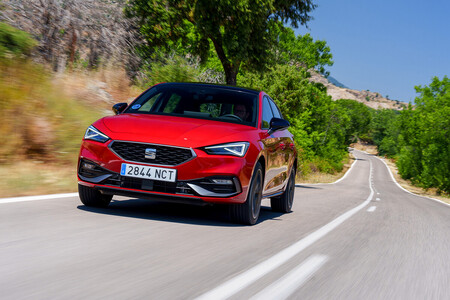
Seat Leon eHybrid PHEV
The driving force of the semester is, as noted, not solely the electric segment. It is the fleet renewal. Leasing-sourced cars grew 21% in June and rent-a-car sales rose 15.5% year-to-date, a trend that explains much of the jump in Madrid, where a monthly gain of 43.3% pushes the national figures up.
Used electric cars benefit from that transfer. It’s precisely the fleets that first included plug-in in the fleet and now return them to the used-car market.
Spain’s case is not isolated; in Europe, used electric cars are rising while sales of vehicles with traditional engines are falling. France provides the clearest indication of Europe’s direction.
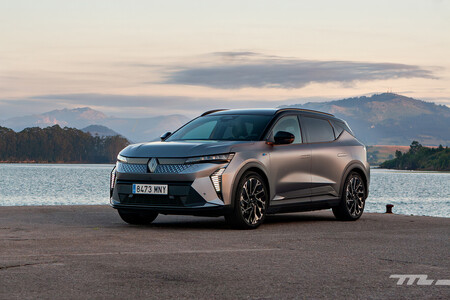
Renault Scénic E-Tech.
Portals like Mobile.de report a 62% increase in purchase requests since January, and AutoScout24 notes that a Volkswagen ID.3 that is three or four years old can receive up to triple the inquiries per listing compared to a newer model. A shift so abrupt that a German sales executive summed it up bluntly: the stepsister of the used electric has suddenly become the belle of the ball.
What these three economies show is that second-hand electric cars do not depend on political will, but on oil prices and the domestic economy (more affordable energy and much lower maintenance than petrol or diesel). As Christina Bu, secretary-general of Norway’s Electric Vehicle Association (Norsk elbilforening), puts it, “the customer chooses with their wallet”. They will always pick the cheaper option, and now the math favors the electric.
Find your ideal electric car
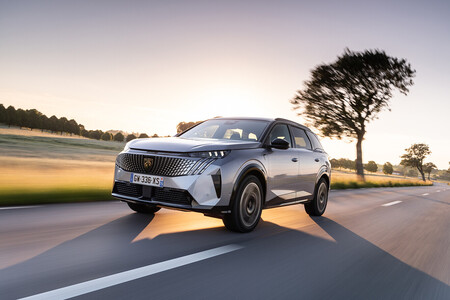
If you’ve considered buying an electric car, this will interest you. We’ve created a personalized Electric Cars Recommender that, besides showing models that fit your needs, also offers answers to the questions you’re most likely to have, such as price, range, and nearby charging points.

Looking for your next electric car but feeling overwhelmed by the sheer number of options? That’s normal.
Over 45,000 readers have already tried it. And you?
Advice offered by the brand