The real price of an electric car, equivalent to a gasoline (or diesel) one, has fallen by 18% in five years, while the price of a combustion vehicle has risen by 2%, according to a new study published on July 20 by the International Council on Clean Transportation (ICCT).
The ICCT and Fraunhofer ISI have cross-checked more than 100,000 German vehicle configurations from 2020 to 2025, adjusting for inflation and for product improvements. And while cars may seem more expensive, electric cars are actually more affordable now.
The Price of EVs Has Continued to Fall
The tariff-price bias. The official public selling price (PVP) gives the impression that electric cars are increasingly expensive. The average PVP of an electric in Germany rose from 37,000 to 53,000 euros, a jump that at first glance seems to contradict the ICCT’s conclusion.
The authors explain this by a shift in the mix of offerings: 73% of current EVs are mid- to high-range, compared with a 2020 market dominated by basic utilities. The catalog has moved in emphasis; the price tag per comparable model has not actually increased.

Batteries are cheaper. Another factor that can skew market perception is the battery itself, costing 35–37% less in real terms since 2020, only partly reflected in the final price because current packs are larger. The German electric-offering expanded from 38 to 159 models, while the combustion line fell from 275 to 194.
Peter Mock, ICCT European director, sums it up as a clear indicator of where the European market is heading, though he warns that the downward margin has not been exhausted, precisely because manufacturers have not passed on the entire battery-cost drop to the sale price.
In Spain the pattern repeats, with nuances that complicate the optimistic interpretation from ICCT. The Coches.com and Ganvam barometer places the price of a new car at 43,477 euros in July 2026, up 45.6% from 2019. Ganvam attributes the rise to Euro 6 and Euro 7 regulations and to the SUV surge, a mechanism different from the German study, more akin to regulatory pressures and mix-driven increases rather than a real price rise per comparable unit.
The electric share in Spain is growing from a low base. 2025 closed with 101,627 electric registrations, representing an 8.21% share, with year-on-year advances above 50% in several months of 2026, according to ANFAC, the industry association.
Ganvam estimates that electric and plug-in hybrid vehicles could exceed 28% of registrations this year, supported by ongoing purchase incentives and a model catalog that has grown from 7.1% in 2019 to 36% in 2025. The gap with major Central European markets remains considerable, however.
Find Your Ideal Electric Car
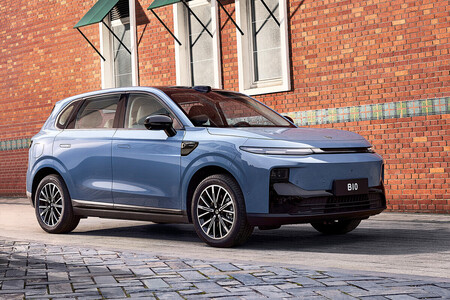
If you’ve considered buying an electric car, this will interest you. We have created the Personalized Electric Car Recommender, where in addition to seeing models that fit your needs you’ll also get answers to the questions that matter most, such as price, range, and nearby charging points.

Searching for your next electric car and feeling overwhelmed by so many options? It’s normal.
More than 45,000 readers have already tried it. And you?
Advice offered by the brand