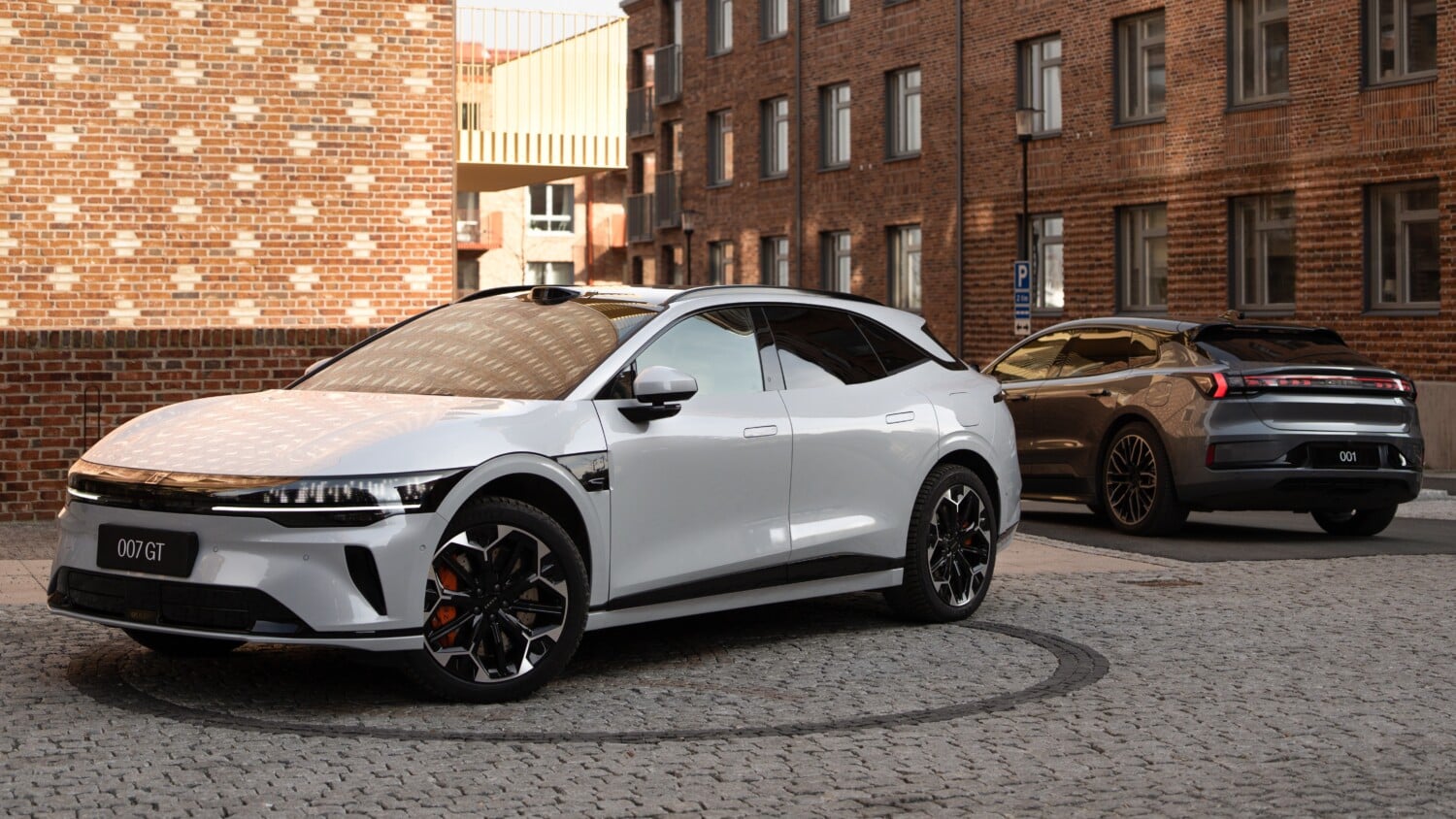
A new Chinese automaker is entering the European market: Zeekr. And unlike BYD, XPeng, MG, Leapmotor, Jaecoo, or Omoda, Zeekr positions itself in the premium tier, offering powerful, tech-forward models with long ranges and short charging times. However, by targeting the premium market, Zeekr risks facing the same headwinds that Japanese and American automakers faced before it.
A Premium-Focused Brand
When you look at Zeekr’s performance in China, it’s striking. The manufacturer offers up to 1,247 horsepower on the Zeekr 001. Sure, it hasn’t yet been announced in Europe, but nothing seems to prevent the brand from offering it there in due course.
If models this powerful, exploiting 900-volt architecture that speeds up charging, reach the market, Zeekr will have solid arguments, provided it remains price-consistent. For now, the announced lineup—Zeekr X, Zeekr 001, Zeekr 7X and Zeekr 7GT—does not really stand out. The ranges aren’t exceptionally high and the charging times of the first two models are average by market standards. By contrast, the Zeekr 7X and 7GT promise 13-minute recharges, a level on par with the XPeng G6, which currently serves as the benchmark.
The Weight of Brand Significance
The real challenge isn’t so much the performance, which remains solid. With more than 600 km of range for some models and rapid charging, these vehicles shouldn’t suffer from technical shortcomings.
The main barrier could be the lack of image. Zeekr is essentially unknown in Europe, and aiming for the premium segment with an anonymous brand presents a major challenge unless the company deploys an exceptional marketing strategy, in the spirit of Richard Mille in luxury watchmaking. In the absence of genuinely revolutionary technologies, Zeekr could be weighed down by the symbolism of the brand. Customers might prefer established names like Audi, BMW or Mercedes, which bring a strong image and a valued status.
Admittedly, BYD and MG are managing to establish themselves in Europe today, but not in the premium segment. The success of Denza, BYD’s upscale brand, remains uncertain. In the past, several premium brands attempted to crack Europe and eventually withdrew, such as Infiniti, despite being backed by Nissan. Other newer entrants have also faced difficulties, such as DS Automobiles, which struggles to establish itself, while Lancia and Alfa Romeo—despite their heritage—continue to fight to survive. Zeekr thus enters a market that is highly competitive, leaving little room for newcomers.