In a shifting electric market, the balance of power among automakers is changing faster than expected. In Q1 2026, the young American automaker Rivian delivered an unexpectedly strong performance by surpassing Ford in the United States’ electric-vehicle segment. A clear signal that speaks volumes about current market dynamics.
In Brief
In Q1 2026, Rivian surprised the auto sector by overtaking Ford in EV sales, delivering 10,365 units versus 6,860 for Ford in the United States. This 20% growth for Rivian, amid a slowing market and a decline in government incentives, underscores the resilience of its strategy relative to the struggles of traditional automakers. Ford, hit by a nearly 70% drop in its EV sales, notably reduced production of its F-150 Lightning. Rivian, benefiting from a cohesive lineup and the upcoming launch of its compact SUV, the R2, maintains its momentum despite a volatile market.
A Solid Rise in a Turbulent Market
Between January and March, Rivian delivered 10,365 vehicles, up 20% year over year. A notable growth in an EV market that remains challenging, marked by softer demand and the expiration of certain government incentives. Ford, by contrast, recorded a sharp decline in its EV sales, with only 6,860 units sold in the same period, a drop of nearly 70%.
This setback can be partly explained by strategic choices. Ford recently trimmed back on certain models, notably the electric F-150 Lightning pickup, which mechanically weighed on its volumes. Conversely, Rivian is capitalizing on a tight yet coherent lineup, consisting of the R1S SUV, the R1T pickup, and its electric utility vehicle aimed at professional customers.
A Dynamic That Poses Questions for Established Makers
Nevertheless, the comparison requires nuance. Rivian’s figures include a portion of Canada sales, unlike Ford’s figures which are limited to the U.S. market. Despite that, the trend is clear: the young California-based brand is able to maintain positive momentum where legacy players are retreating.
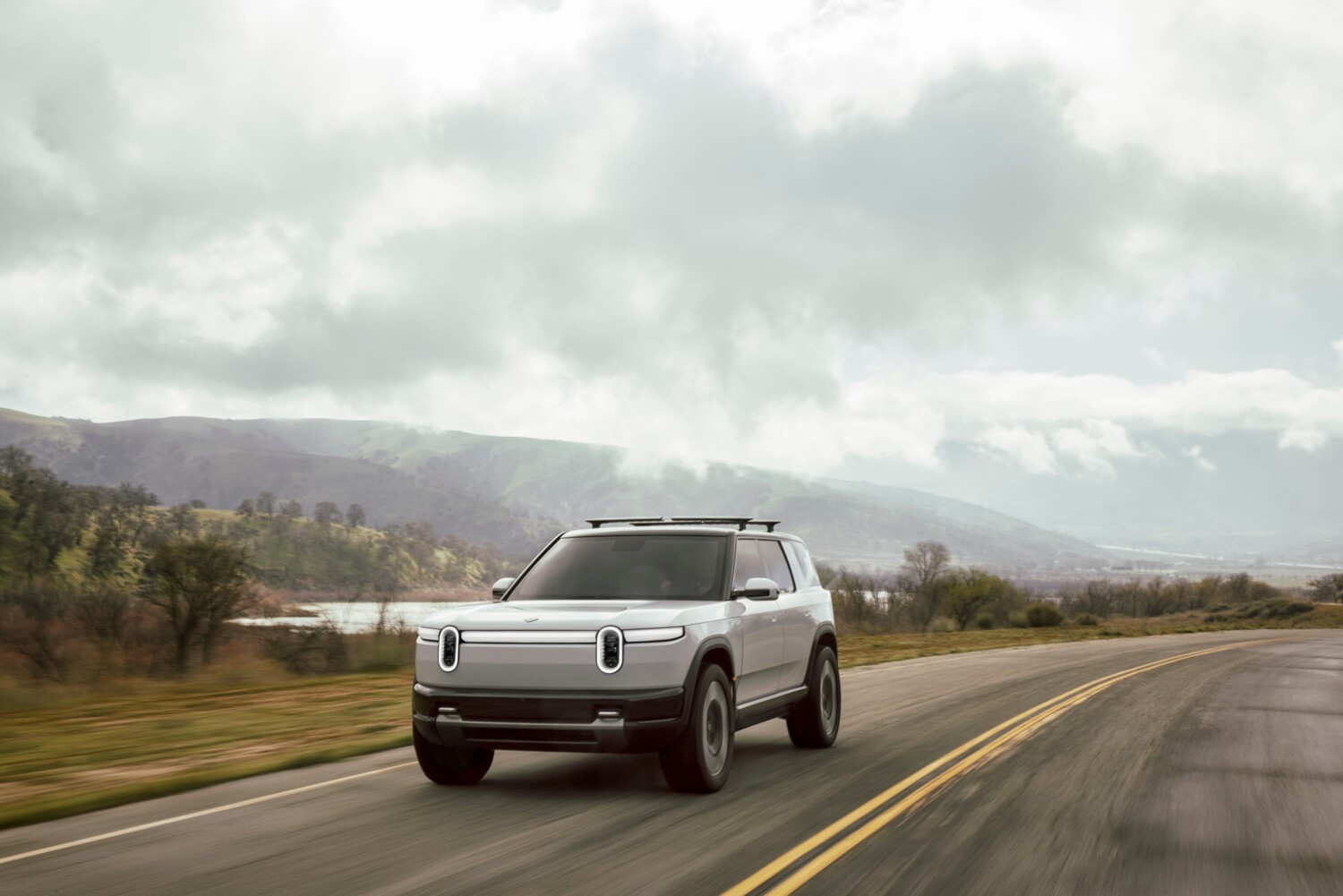
This performance fits into a broader strategy. Rivian is actively preparing for the arrival of its upcoming compact SUV, the R2, a more affordable model intended to broaden its customer base. Simultaneously, the company is benefiting from strengthened financial backing, including recent investments from major industrial partners.
Beyond volumes, this symbolic outsized performance illustrates a gradual market shift. New entrants, more agile, appear better equipped to adapt to demand fluctuations and economic constraints — as seen with Tesla, which in just ten years carved out a leading position in the global market. For Ford, as for other legacy automakers, the electric transition remains a difficult undertaking.
The question now is whether Rivian can sustain this momentum over time, especially with the launch of the R2, which could mark a real scale-up.
Comparative Table
| Manufacturer | EV Sales Q1 2026 | Year-over-Year Change | Key Segments / Notes |
|---|---|---|---|
| Rivian | 10,365 | +20% | Includes Canada; lineup: R1S, R1T, and an electric commercial utility vehicle |
| Ford | 6,860 | -70% | U.S. sales only; impact from F-150 Lightning production cut |
Key Takeaways
- Rivian overtakes Ford in U.S. EV sales in Q1 2026.
- Rivian delivered 10,365 EVs (+20% YoY); Ford 6,860 (-70%).
- Rivian’s momentum stems from a tight but well-positioned lineup and strong financial backing.
- Ford is retreating, notably due to reduced F-150 Lightning production.
- Rivian’s figures include Canada; Ford’s numbers are U.S.-only.
- Rivian is prepping the launch of the compact R2 to broaden its customer base.
- The EV market remains uncertain, adding pressure for legacy automakers.
FAQ
Why did Rivian overtake Ford in EVs?
Rivian posted strong sales growth and benefits from a cohesive lineup, while Ford cut production on certain models and saw a steep decline in EV sales.
What are Rivian’s flagship models?
Rivian’s lineup centers on the R1S SUV, the R1T pickup, and an electric commercial vehicle for business customers.
Is the sales comparison fully fair?
Not entirely—Rivian’s figures include Canada, whereas Ford’s are limited to the U.S. market.
What factors influenced Ford’s sales decline?
Ford experienced a near-70% drop in EV sales, primarily due to the production cut of the F-150 Lightning and an adjusted strategy in response to market conditions.
What about Rivian’s outlook?
Rivian is preparing to launch the compact R2, a more affordable model that could broaden its customer base and mark a true scale-up.