Arriving at the destination, waiting for the little “ding” that signals the ride is complete, and then getting stuck inside. That’s exactly what happened to a passenger in San Francisco, who found herself trapped for a few tense moments in a Waymo robotaxi whose rear door wouldn’t budge. In the video she posted, you can see her pulling the interior handle twice, as the vehicle’s procedure prescribes, with no effect.
On-screen, the caption reads like a telltale sign: “Thank goodness, I’m not claustrophobic.” The video creator Grace, known on TikTok as @graceofthemoment, recounts her exchange with Waymo’s customer service. Her clip, watched more than 470,000 times, shows a woman stuck inside a Waymo after the ride has ended, and raises a simple but stark question: what happens when a robotaxi door refuses to open?
The Woman Stuck in a Waymo in San Francisco: What the Video Shows
In the footage shared by Motor1, Grace sits in the back of the autonomous vehicle at the drop-off point. She pulls the interior handle once, then a second time, as the system’s procedure requires. Nothing happens. Her face tightens, not visibly panicked, while the on-screen text reads: “Thank goodness, I’m not claustrophobic.” She reaches out to Waymo’s customer service. A representative responds and introduces himself: “Here is Lance from Waymo. How can I help you?” Grace explains, “Hello. The door won’t open,” still trapped inside the robotaxi.
The agent confirms she has indeed tried the two pulls on the handle, as instructed by the opening system, then assumes remote access. “Perfect. I’ll take care of opening the door for you,” he replies. After a few seconds of fiddling with the controls on his end, his voice returns: “I’ve unlocked the door. Can you try now?” The door eventually gives way, and Grace floors it out of the vehicle. The call ends quickly: “That’s it,” she says, already outside, before the agent signs off: “Okay, take care of yourself. Have a good day.” In the video’s caption, the young woman adds a line that sums up her experience: “That felt like a serious security breach.”
Waymo Under Pressure: Series of Incidents and Guidance for Lock-Ups
In the TikTok comments, the scene sparked a debate about both the call’s tone and the safety of robotaxis. Some viewers criticized her manner on the phone: “So rude,” one wrote. “Don’t take it out on him. He’s just an employee,” another added. A third insisted: “Dude, he’s just a customer service rep. Why should you have that attitude?” Others defended her: “‘So rude.’ She’s stuck in a car—what do you want her to do?” retorted one commenter. “You don’t seem rude to me. People who say you were need a reality check,” wrote another. “Is it rude to you? I think it’s a normal conversation,” another comment suggests. One post ironizes the scene with the line: “Waymo support to open a door.”
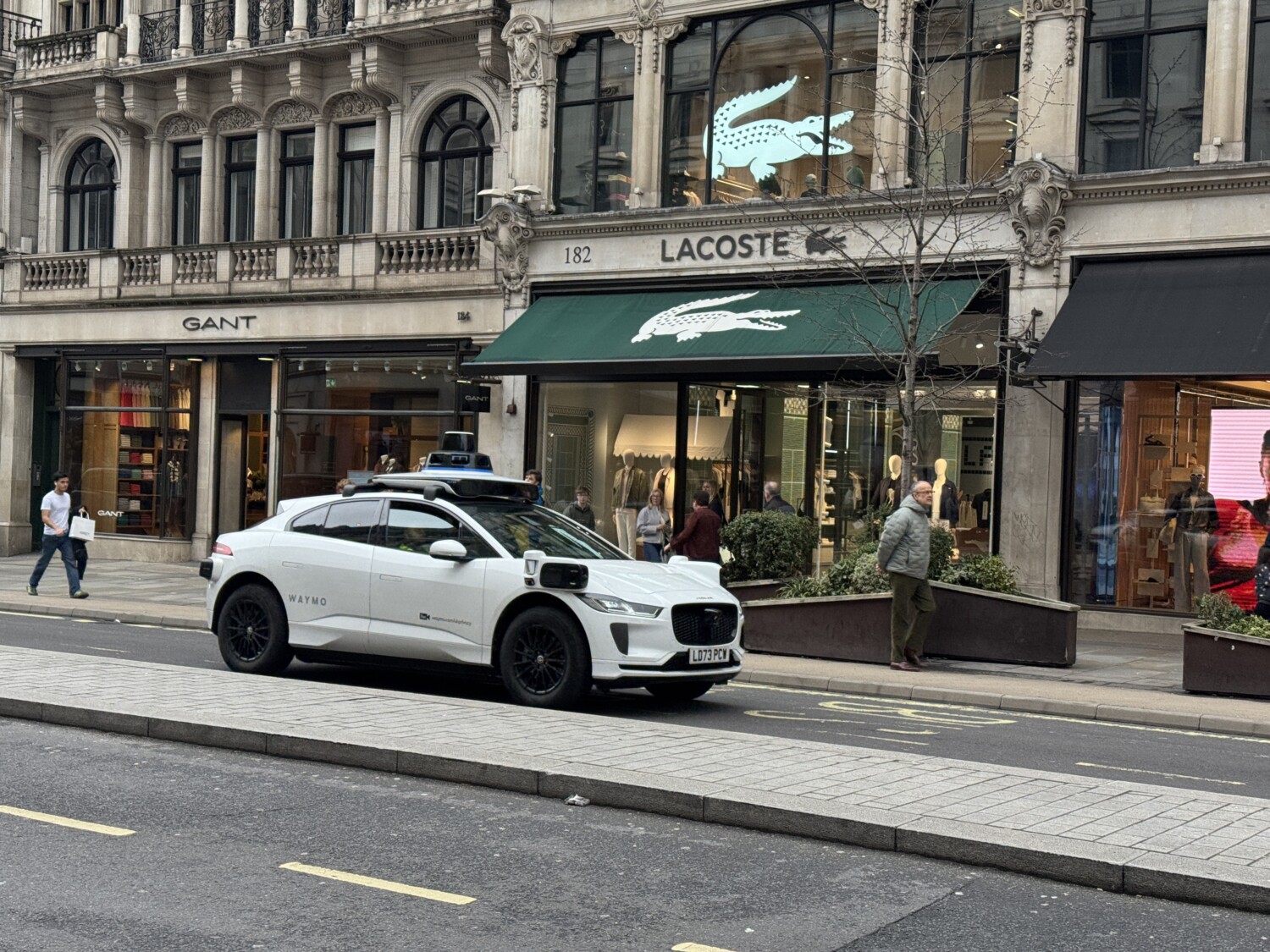
This moment doesn’t exist in isolation. Motor1 notes that as Waymo robotaxis expand into more American cities, incidents are mounting. A customer in Austin found herself trapped aboard when the vehicle halted beneath an overpass, immobilized on the highway shoulder for several minutes. Other incidents have drawn headlines: a collision with a semi-truck, a robotaxi veering into the opposite lane, or a cluster of vehicles blocking an intersection. In San Francisco, a man told local ABC7 that his Waymo drove through a construction zone in a manner deemed reckless; in response, the company recalled more than 4,000 vehicles to fix a software issue and decided to keep cars off the highways while the bugs are addressed.
On the communications front, Google emphasizes that its vehicles are programmed to be defensive and exceptionally cautious. A Waymo may decide to pull over or stop entirely to analyze a confusing situation. “Sometimes the car just needs a moment to decide what to do. It can determine the best course of action and start moving again on its own,” the tech giant explains. That sounds reassuring in theory, but for a passenger stuck in limbo, it can feel like waiting without a clear horizon.
The company also outlines the steps to take if a robotaxi stalls or behaves unexpectedly. Do not touch any vehicle controls—no accelerator, no brake, no steering wheel—and remain seated with your seat belt fastened while you contact support via the onboard interface. Waymo’s team can attempt a remote reboot or, if that’s not possible, dispatch on-site assistance. For a passenger like Grace, that sequence even extended to depending on support to perform something as basic as opening a door. And as long as these scenes continue to circulate online, the very simple question asked by this video will linger in the minds of curious robotaxi observers: what should you do when you’re inside a driverless car and the exit won’t open?