Could a hole smaller than a nickel be enough to derail a motorcycle license exam? That’s what happened to a young Swiss candidate, sent home before even starting the practical test, because his left glove had a damaged seam. This tiny flaw was enough to block a motorcycle license, even though the rest of his gear was complete.
The case unfolds in the canton of Vaud, Switzerland, where the equipment requirements for motorcycle candidates have become highly regulated since March 1, 2025. On that date, authorities made a full gear set mandatory for the practical exam, whereas once the license is obtained, only the helmet remains required on the road. Between strict regulations, safety invoked, and the family’s anger over what they call “abuse of power,” this torn-glove story raises a very real question for anyone preparing to take the license.
A torn glove that costs a motorcycle license in the canton of Vaud
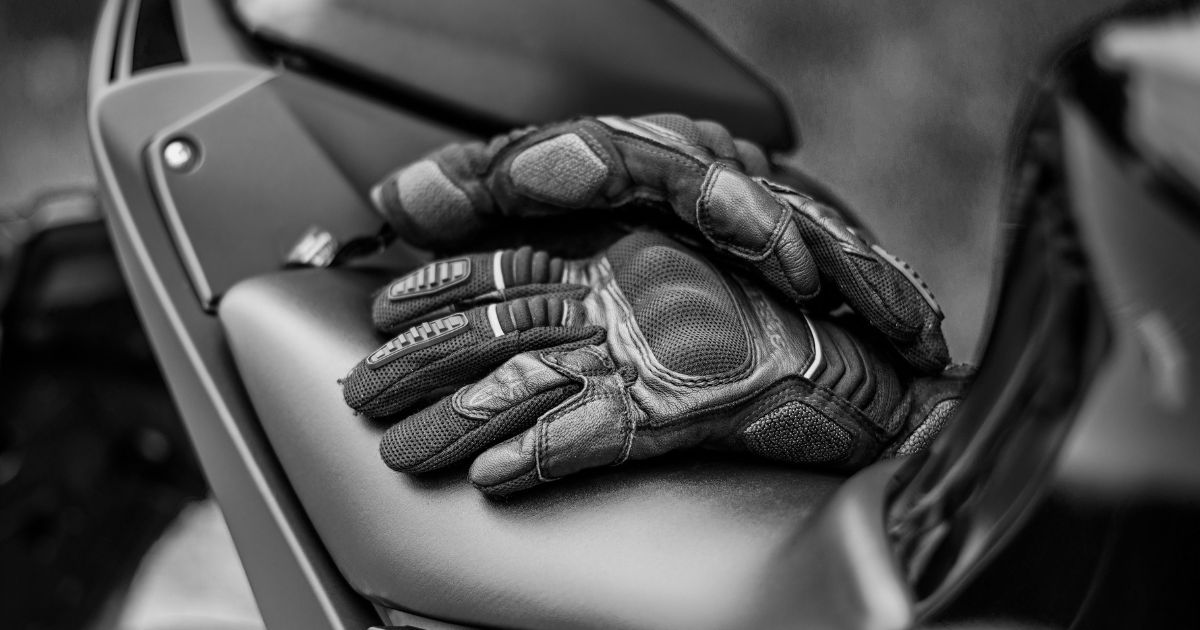
The candidate, a young local from Vaud who already held a motorcycle learner’s permit, had logged a few kilometers on a scooter. He had covered roughly 4,040 miles before presenting himself for the final A1 license exam. To be sure he was dressed properly, he wore leather motorcycle gloves that had belonged to his grandfather. The problem: inside the left glove, a worn seam left a tiny hole—smaller than a U.S. nickel. The examiner sent him home there, the young man told the Vaud daily 24 heures.
His father was far from satisfied with this refusal of a motorcycle license for a torn glove. He argued that the decision didn’t reflect the reality of his son’s riding: “I don’t think it’s normal that, for such a small detail, a trainee who clearly knows how to ride has to go home from the test. This is abuse of power!” Meanwhile, officials reminded the rule that has been in effect since March 1, 2025: helmet, jacket, gloves, pants, and shoes must all be in compliance on test day. “If the equipment is incomplete or non-compliant, the exam will not be conducted,” states the Vaud Motor Vehicles and Navigation Service. A stark contrast with everyday use, where only the helmet remains legally required once the license is in hand.
Regulation, safety and the discretion in motorcycle gear assessment
Asked about the case, the head of the Vaud Service for Motor Vehicles and Navigation, Pascal Chatagny, acknowledged that the text does not drill down into the stitch-level detail. He notes that “there is no regulatory threshold at which a seam opening would automatically trigger a failure of the exam,” and the decision rests with the examiner to judge gear conformity. Gloves remain a key checkpoint because “hands are typically the first line of contact during a fall.” In other words, a worn or perforated glove can be deemed insufficient to protect the palm in a slide.
This rigidity when it comes to equipment isn’t unique to Switzerland. In France, the April 23, 2012 decree requires, for the A1 and A2 license exams, a certified helmet, certified gloves, a jacket or long-sleeved shirt, pants or a one-piece suit, and boots or tall shoes, with certain footwear (such as rubber boots) explicitly rejected. Once the license is obtained, French law only requires the helmet and certified gloves; the rest is “strongly recommended.” In this context, candidates have every incentive to inspect their gear thoroughly before exam day, especially the gloves, to prevent a simple seam tear from turning a day of licensing into a wasted day.