
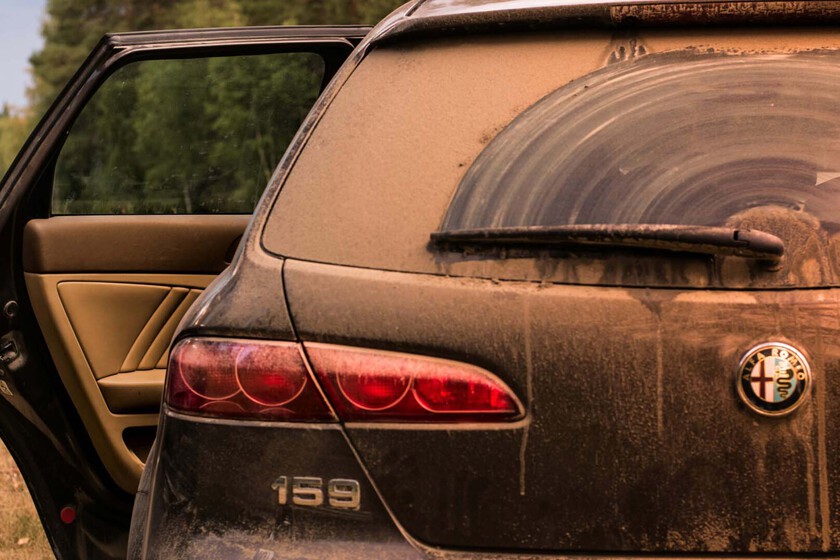
Just as there are people who can never stand to have a dirty car, there are others who never bother to clean it, neither inside nor out. We often think this is a sign of neglect, and we are not far off, but there are more explanations.
The psychologist Leticia Martín Enjuto explains on Cuerpomente why some people always keep their car dirty, beyond laziness.
No solo pasotismo: puede ser un reflejo de que algo no está bien
Keeping the car clean seems like an impossible mission for certain people. Let’s not fool ourselves; many do it out of laziness or sloth; in fact, when the topic is discussed with them, they often offer absurd excuses to justify inaction, such as they’ll clean it when it rains or that they will dirty it the next day and they’d rather not waste time.
However, it’s not always a matter of laziness. As the psychologist Leticia Martín Enjuto explains on Cuerpomente, there is an explanation beyond each person’s mess. “The car is often a reflection of our routine,” she says, and when someone keeps it dirty systematically “it may show that they don’t have time to attend to those details or that their energy is directed toward other priorities.”

Let’s face it: going to a car wash, dropping a euro, and removing the dust with a high-pressure spray doesn’t take long, nor is it very expensive. You don’t even have to go out of your way to wash it: you can take advantage of a gas station visit when you need to refuel to devote three minutes to exterior cleaning. And with another five minutes and another euro you can make the interior look reasonably presentable with one of the vacuums usually found near the wash bays.
But there are people who don’t see it that way, and this psychologist justifies it by saying that “sometimes it’s a way of evidencing fatigue or mental saturation.” There are people so stressed that the last thing they worry about is cleaning the car. Precisely, that dirt is a reflection of what they’re going through.
“When we see a car full of papers, bottles or dust, it can be a sign that the person lives in a hurry, that there is no space to tidy up either outside or inside. The car becomes a mirror of that life’s disorganization,” notes the expert.
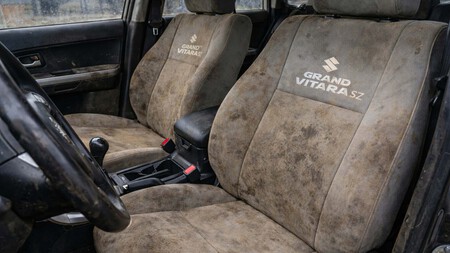
“It may reflect a certain personal neglect, a ‘letting yourself go’ that goes beyond the car and has to do with how we are taking care of our emotional well-being,” explains Laura, who notes that if the dirt is not only present in the car but also in other places, such as home and work, it is a clearer indicator that “there is something in time management or personal organization that deserves to be revisited.”
Laura refers specifically to “fatigue, apathy, stress or even a certain state of sadness” and speaks of the car as a symbol of the driver’s self-esteem: “If someone is going through a period of low self-esteem, it can be reflected in the neglect of their personal belongings.”
On the other hand, Laura clarifies that “for some people the car doesn’t carry as much symbolic weight,” meaning that just as some drivers care deeply about the car, others see it as a simple tool to which they must dedicate just enough effort to get them from point A to point B: “That’s why they don’t care so much whether it’s clean or not.”
Images | Unsplash