
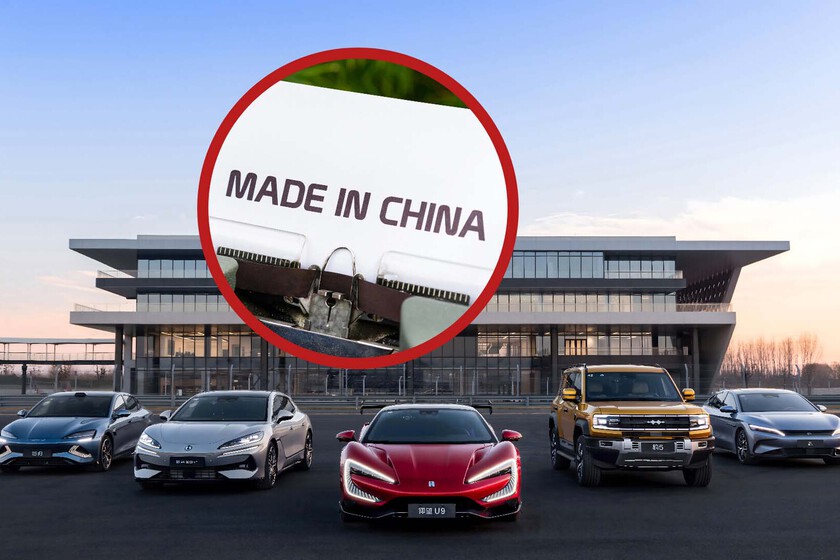
For decades, the label “Made in China” has signified a second‑rate product, of little added value and low cost due to mass production in the Asian country. To put it in perspective, it was the opposite of encountering the “Swiss Made” badge on a watch: instead of lending prestige to the product, Made in China cheapened it.
And it made sense because, indeed, most products manufactured there were inexpensive and did not match the quality of a similar item made in the West or in Japan, the only Eastern country that did symbolize high quality, at least since the 1970s. Today, Made in China means something else.
A paradigm shift that has been taking shape for years
For many years, China has been the great “factory” of the world: Western companies chose to manufacture certain products there because it was vastly cheaper than producing them “at home,” thanks to brutally low labor costs, to the point that drawing the line between low costs and slavery would be difficult.
The point is that, thanks to that move, many products from Western brands could be bought more cheaply, while items from Chinese brands had long been seen as “low-cost” goods.

In Spain, it has been (and remains) very common to visit a local Chinese market to buy dirt-cheap items, aware that their quality isn’t great, but under the premise that “for that price, it does the job.”
But the world has changed and Made in China has a new meaning. The Eastern country has rolled up its sleeves and managed to change the image of the things manufactured there.
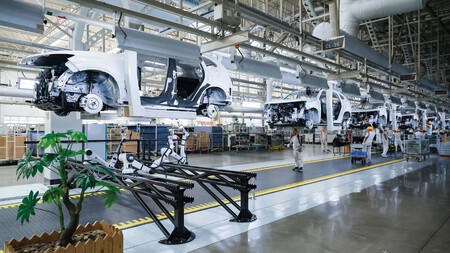
Yes, China remains the world’s largest manufacturing powerhouse, but it is no longer the great “factory” of the world: besides producing for Western companies, it manufactures everything for its own brands, and many of those brands not only compete toe-to-toe with their Western rivals, but are ahead: in innovation, in technological development and in industrial capacity, but not only on price, as used to be the case.
Basta con nombrar algunas compañías: BYD, Xiaomi, CATL, DJI o Huawei. All are global benchmarks in their respective sectors. CATL makes the batteries used by many electric and hybrid car manufacturers around the world; note that premium brands, such as BMW, Mercedes‑Benz or Volvo, rely on CATL’s technology.
BYD has moved from being a battery maker to becoming the world’s leading producer of plug-in cars. DJI dominates the international market for civilian drones, and other products of theirs, such as action cameras or microphones, are benchmarks worldwide for quality and price.
During the 2010s, the Chinese government pushed the country’s industrial and technological transformation to develop high value-added products, something China had never had.
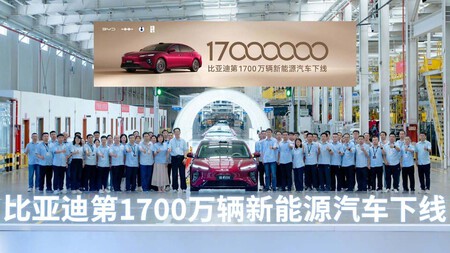
Now, that policy is bearing fruit, and it looks like this is only the beginning. More and more Chinese companies are designing their own products, instead of copying Western ones, as used to happen; they file patents, develop software and lead highly complex industrial processes: just compare a European car factory with a Chinese one, such as Xiaomi’s.
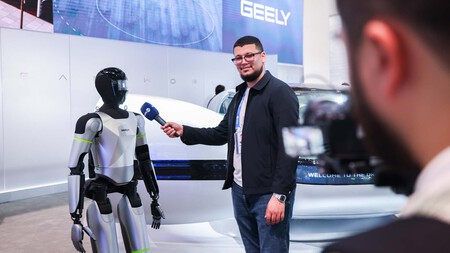
That transformation has also changed the international perception of “Made in China”: it is moving away from negative connotations and from being associated with cheap and poor-quality goods toward being an own brand and a source of pride for many Chinese companies, especially in sectors such as automotive, robotics or batteries.
The label remains the same, but everything behind it has changed, which is why it no longer merely indicates a place of manufacture, but a technological capability, akin to the ‘Swiss Made’ in watchmaking.
Note that this does not mean China has replaced Europe, Japan or the United States as the leading technological power, but it has ceased competing with these countries solely on price.
Images | Unsplash, BYD, XPeng, GWM