The conflict in Iran, which began on February 28, has produced an unexpected side effect: boosting electric car sales. When gasoline prices rise, we look for more affordable ways to get around by car. And one of those is electric cars. After all, charging an electric vehicle remains between 3 and 5 times cheaper than refueling gasoline or diesel.
With a maritime route that moves nearly 20% of global oil supply disrupted, pump prices have surged, and drivers have started to add up. Thus, in March more than 1.7 million electric vehicles and plug-in hybrids (PHEV) were registered worldwide, up 3% from a year ago. It’s a modest figure on a global scale, but with an unexpected protagonist that driving sales in Europe.
The electric car, the alternative when gasoline prices rise
The old continent experienced a historic March. Registrations of electric vehicles and PHEVs surged by 37% compared with the previous year, approaching 540,000 units, a record figure. The rise in fuel prices seems to have been the trigger many European consumers needed to make the final leap to electric mobility.
“A large part of this can be attributed to the rise in gasoline prices,” acknowledged Charles Lester, head of data at Benchmark Mineral Intelligence, quoted by Reuters. And not only in Europe, but also in markets where the gasoline price increases have been strongest, such as Australia, New Zealand, Vietnam or Thailand. These countries collectively recorded a 79% increase in registrations.

But the global picture is not as bright when looking at the other side of the planet. China, the world’s largest car market, saw its electric vehicle registrations fall by 14%, to just over 850,000 units. In this case, the conflict has nothing to do with it.
Pekín withdrew subsidies for purchasing new electric cars and PHEVs earlier in the year. It has not renewed the tax exemptions that had sustained the Chinese electric boom. Without incentives, buyers have shifted toward larger cars, leaving behind the small subsidized electric vehicles that dominated the market.
The United States is not faring well either: registrations fell 30%, to 121,500 units, marking its sixth consecutive month of declines. The end of the federal tax credit and the Trump administration’s tilt toward relaxing emissions standards have notably cooled the market.
Find your ideal electric car
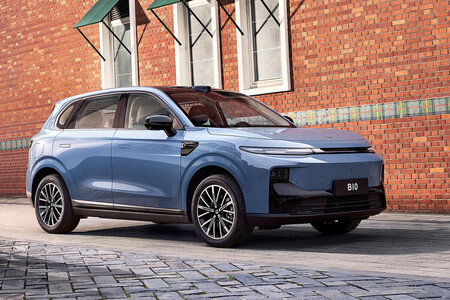
If you have considered buying an electric car, this will interest you. We have created the Personalized Electric Car Recommender, in which, in addition to seeing models that fit your needs, you will also find answers to the questions that worry you most, such as price, range, or nearby charging points.