In Brief
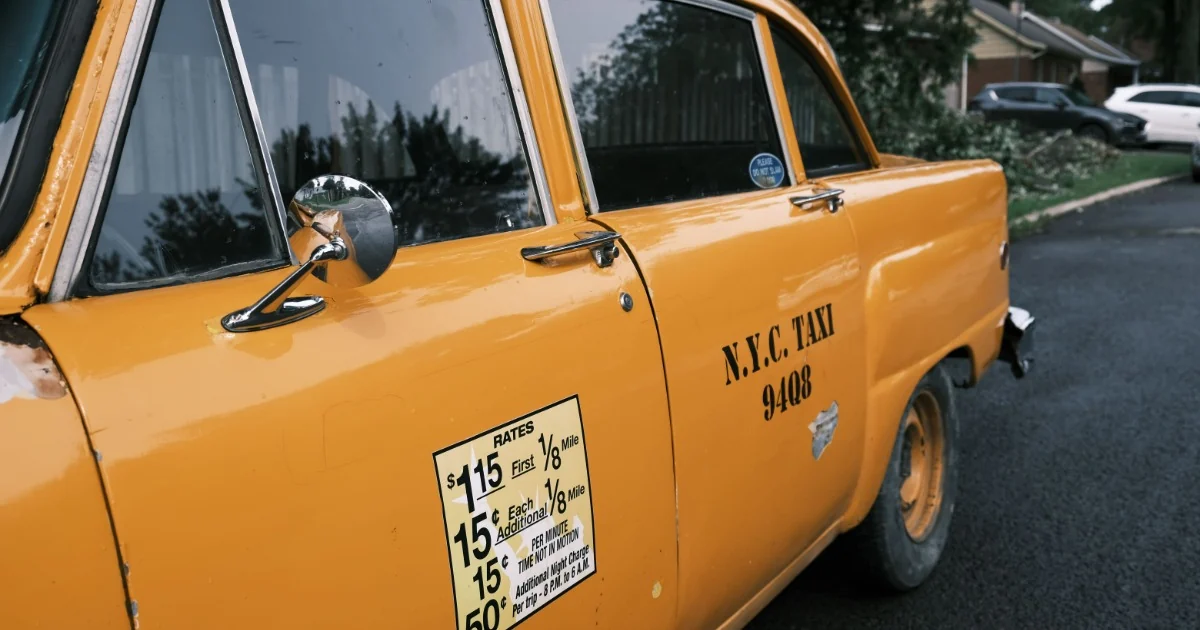
In Albacete, in Castilla-La Mancha, José Luis Molina has restored a 1970s sedan to transform it into a faux New York taxi, reviving the famous yellow coat and the iconic village-taxi accessories from La Mancha. The vehicle’s originality lies in the presence of an old mechanical taximeter that still runs in pesetas, the national currency now replaced by the euro. Inside and out, the car pays homage to local traditions, weaving references to New York with hallmark elements of the region. This creation draws curiosity, invites nostalgia, and excites passersby of all ages. A genuine rolling postcard, it sparks conversation and memories wherever it stops.
In the quiet streets of Albacete, in central Spain’s Castilla-La Mancha, a flash of yellow can light up the traffic and turn heads. On the pavement, you’d swear you’re watching a real New York taxi from the 1970s—its bright yellow livery, the distinctive stripes, and a roof rack piled high with relics from another era. Yet this cheeky taxi is far from Manhattan, and there’s an even more puzzling detail tucked inside: a taximeter that never left the pesetas era.
Behind this 1970s car turned rolling attraction stands José Luis Molina, a resident of Albacete who gave a full life to an old sedan and then penned a new story for it. “At first it was yellow, but the bodywork, paint, and mechanics were in bad shape, so I restored it 100 percent, and when I finished, I decided to fuse a New York taxi with the old Albacete taxis,” Molina told El Digital de Albacete. And at the heart of this mash‑up between a yellow cab and Manchego village taxis, an antique mechanical taximeter that still displays fares in pesetas completely upends the tour.
A New York Taxi Packed with the Charm of a Vintage Village Taxi
From the outside, the vehicle fully embraces its “New York” persona. Its glossy yellow body and the classic Big Apple taxi stripes make it impossible to ignore. But look up to the roof rack and you’ll see another story taking shape: on top, Molina has stowed suitcases, a famous Michelin Man figure, a botijo, a leather waterbag, and even a birdcage. It’s no accident—this is a deliberate nod to the taxis once seen in La Mancha’s villages. “Back then, in the villages, they’d haul a botijo for water, along with suitcases and utensils, on the rack,” he explains. A memory many passersby still recognize.
Inside, the regional homage continues. A Don Quixote figure keeps watch over the cabin, surrounded by knives typical of Albacete, small Manchego-themed figurines, and even a representation of the Puerta de Hierros—one of the city’s iconic gates at the Recinto Ferial. In the rear, a plush toy dog from classic 1970s models nods its head in time with the car’s motion. All told, the ensemble turns this 1970s car into a true rolling postcard of Albacete, ready to spark conversations, bring smiles, and evoke memories the moment it halts.
Onboard, a Pesetas Taximeter That Delights Everyone
Among all the details, one element draws the most attention from those who climb aboard: an old taximeter dating to around 1965, which Molina has also restored and which still works perfectly. “It’s one of those meters that used to drop the flag. It runs flawlessly and displays pesetas,” Molina notes. This mechanical device, with its era‑long digits, instantly transports you back to a time when taxi fares were paid in the country’s former currency rather than euros. It stands in sharp, charming contrast to the car’s New York‑inspired styling.
The blend of references leaves a lasting impression on everyone who encounters this pesetas taximeter on wheels. The taxi’s silhouette draws you in, the decor captivates you, and many passersby pause to study it up close and snap photos. Molina says younger visitors enjoy treating each object like a scavenger hunt, while older visitors recognize a piece of their own history. “It pleases them because these vehicles belong to their era and recall memories,” Molina remarks. He loves taking the car out on weekends, driving it around, and sharing it with those it surprises. So much so that a photo of this “faux” New York taxi, packed with Manchego flair, even found a place on a Manhattan restaurant wall, closing a remarkable loop between Albacete’s streets and New York’s avenues.
The Essentials to Remember
- José Luis Molina restored a 1970s sedan into a New York–style taxi in Albacete.
- The standout feature is an antique mechanical taximeter that still shows fares in pesetas.
- The décor fuses signature New York taxi details with objects typical of La Mancha’s village taxis.
- Inside, regional homage elements include Don Quixote and Puerta de Hierros.
- The car draws curiosity, evokes nostalgia, and sparks conversations across generations.
- The project blends personal memory, regional heritage, and a playful international wink.
FAQ
What is special about the taxi restored by José Luis Molina?
The 1970s sedan restored by José Luis Molina looks like a New York taxi but houses an antique taximeter that still displays fares in pesetas—an homage to Spain’s history.
Which objects decorate the faux New York taxi’s roof rack?
On the roof rack you’ll find suitcases, a famous Michelin Man figure, a botijo (clay water jug), a leather wine skin, and a birdcage—each a nod to La Mancha’s village taxi heritage.
Why does the meter still show pesetas?
José Luis Molina kept a 1965 mechanical taximeter, still functional, to preserve the memory of the era when taxi fares were paid in pesetas.
How do passersby react to this car?
People frequently stop to observe the vehicle, take photographs, and the objects spark curiosity in younger visitors and nostalgia in older ones.
What Albacete elements are present inside the cabin?
Inside, you’ll find Don Quixote, traditional knives, Manchego figurines, and a depiction of the Puerta de Hierros at Albacete’s Recinto Ferial.