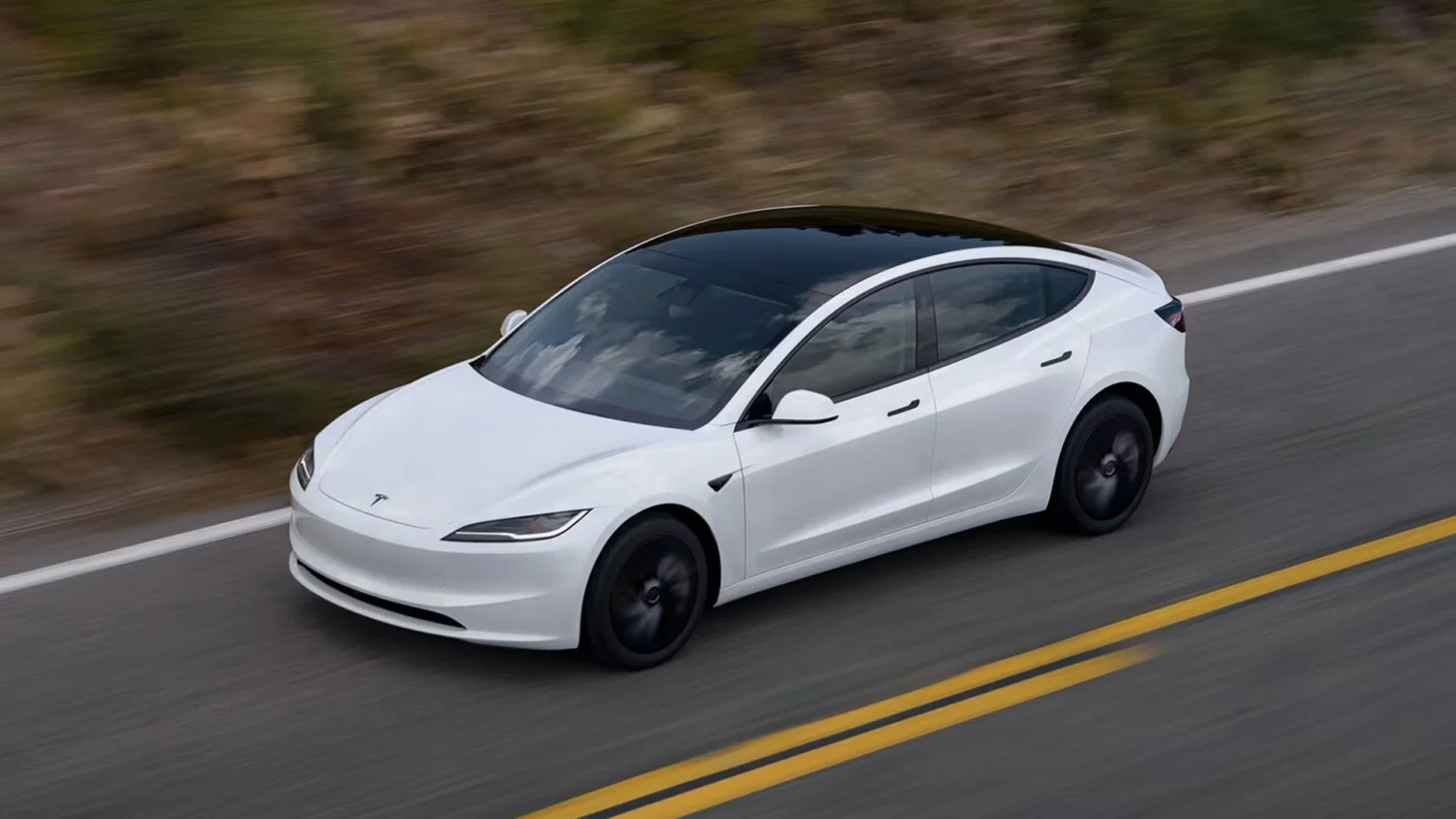
Tesla is facing serious difficulties in its Chinese market. As Chinese manufacturers roll out a slew of innovations and strengthen their competitiveness, the American brand is seeing its sales slump in the country. To keep its operations going, the Shanghai plant is increasingly leaning on foreign markets, with a sharp rise in exports. This shift could also have consequences for the price of Tesla cars in Europe.
Tesla sales collapse in its main Asian market
Chinese competition is beginning to weigh heavily on Tesla’s results. According to the latest data from the China Passenger Car Association (CPCA), the American automaker sold only 8,817 cars on the Chinese market in October 2026. That figure is 66.1% lower than in the same period in 2025. The decline reaches 86.4% compared to September, during which 64,837 vehicles were sold.
That is the worst monthly result for Tesla in China since July 2022. The brand also falls below 10,000 monthly sales in the country for the first time since that date. This underperformance does not appear to be a mere blip. October marks, in fact, the fifth consecutive month of declining Tesla sales in China.
In the first ten months of 2026, Tesla sold 389,905 cars in China, down 15% from the same period the previous year. This trend highlights the challenges the company faces against locally dynamic rivals such as BYD or Xiaomi, which regularly roll out new models with highly competitive pricing and features.
The Shanghai plant is increasingly focused on exports
Facing this situation, Tesla can still rely on international sales to sustain its industrial activity. Shanghai’s production figures show a significant shift in the geographic allocation of vehicles produced. In October, 59,012 cars were exported from China, up 66.27% year over year. By contrast, only 8,817 units were destined for the domestic market.
In other words, nearly 87% of the vehicles marketed by the Shanghai plant were headed overseas. This is an unprecedented level for the site, which produces notably the Model 3 and Model Y. Overall, the factory delivered 67,829 cars in October, up 10.3% year over year. This increase masks a growing dependence on international markets.
Since January, Shanghai exports have reached 420,984 vehicles, up 101.28%. They now represent 51.92% of the factory’s total volume, compared with 31.32% in the first ten months of 2025.
Europe could benefit from this production reorientation. If Chinese demand continues to wane, Tesla could seek to move more cars abroad. This shift could, in particular, intensify competitive pressure on the brand and push it to broaden promotions to support European sales. However, consideration must be given to the European-bound production of the Model Y in Germany, which limits the company’s dependence on imports from China.