BMW does not plan to pick between electric and internal combustion. The German automaker believes that developing its battery-powered models could actually help it preserve its most powerful engines. The strategy rests on a fairly simple regulatory mechanism.
Why BMW’s Electric Sales Also Benefit the V8s
At first glance, electric cars and big V8 engines might seem to represent two opposing visions of the automobile. Yet at BMW these technologies could very well complement one another. The German automaker plans to use the rise of its electric sales to continue offering powerful internal-combustion models. And this despite increasingly strict environmental standards.
This is especially true in Australia, where the new rules take into account the average CO2 emissions of all the cars a manufacturer sells. Each electric vehicle thus helps lower that average because it does not emit CO2 from the tailpipe. That preserves some margin to market parallel models that are more emissions-intensive.
This strategy is already starting to bear fruit. According to Motor1, electric cars accounted for nearly 20% of BMW’s sales in Australia in 2025. A sizable share that helps the automaker maintain a diversified lineup. Without being immediately forced to drop its most powerful powertrains.
BMW Wants to Keep Offering Gas, Diesel, and Electric
Unlike some manufacturers that have signaled a move toward an all-electric future, BMW sticks to a strategy rooted in choice. This policy, known as Power of Choice, rests on flexible platforms and manufacturing tools capable of adapting to several powertrain types.
In an interview with Carsales, Vikram Pawah, head of BMW Group Australia, confirms the brand’s intent to preserve this balance. The objective is to keep offering internal-combustion cars. Whether they run on petrol, diesel, plug-in hybrids or electric power… Depending on customer demand and regulatory constraints in each market.
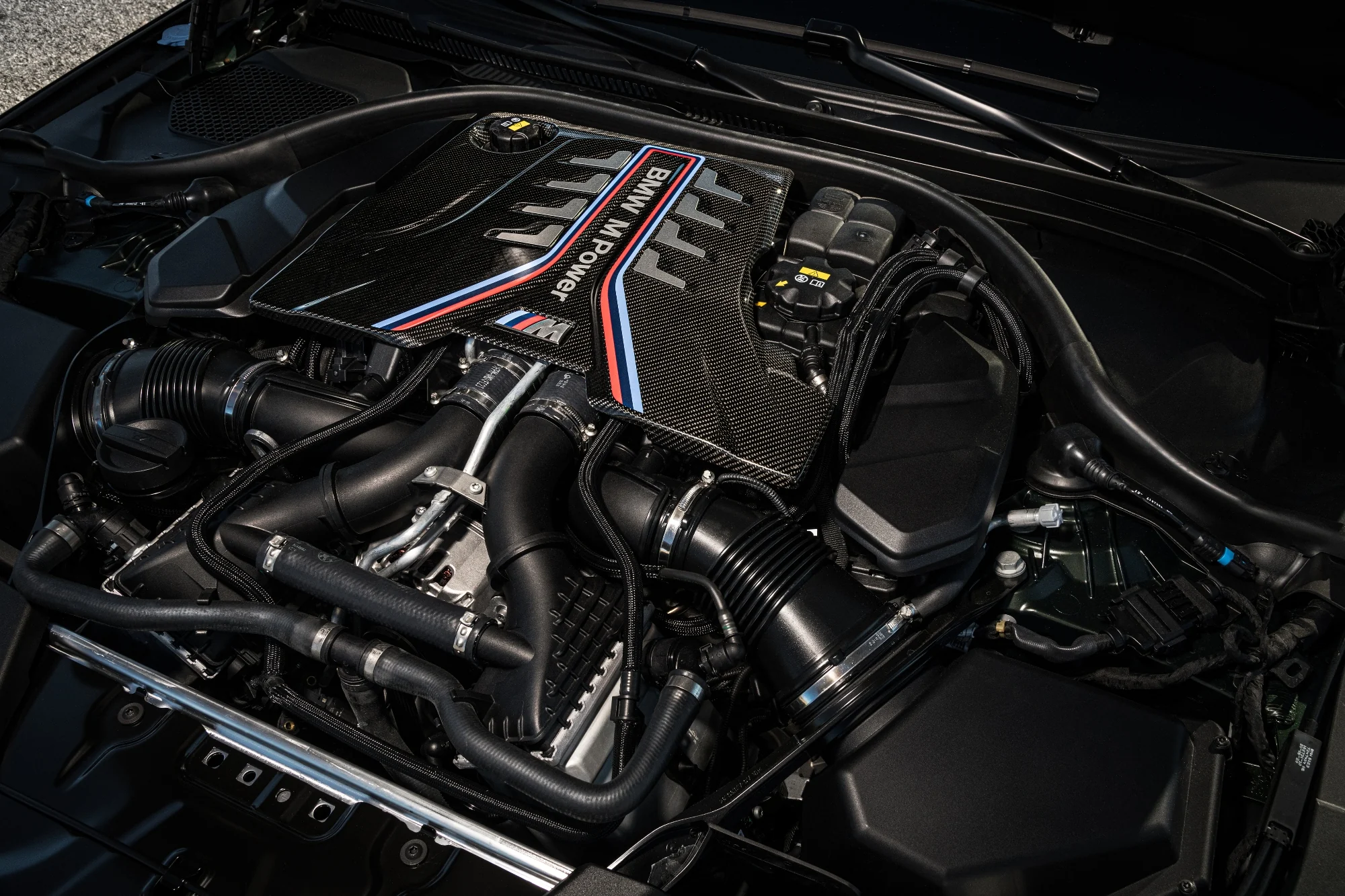
The automaker has not halted investments in internal-combustion engines either. Its chief technical officer, Joachim Post, explained that the next generations have been developed to meet future emission standards. BMW plans to continue producing inline six-cylinders, as well as V8s and V12s. And this, throughout the next decade.
For consumers, this direction means that the arrival of new BMW electric models should not necessarily spell the immediate disappearance of the gasoline versions. It remains to be seen how long this balance can be sustained across different markets.