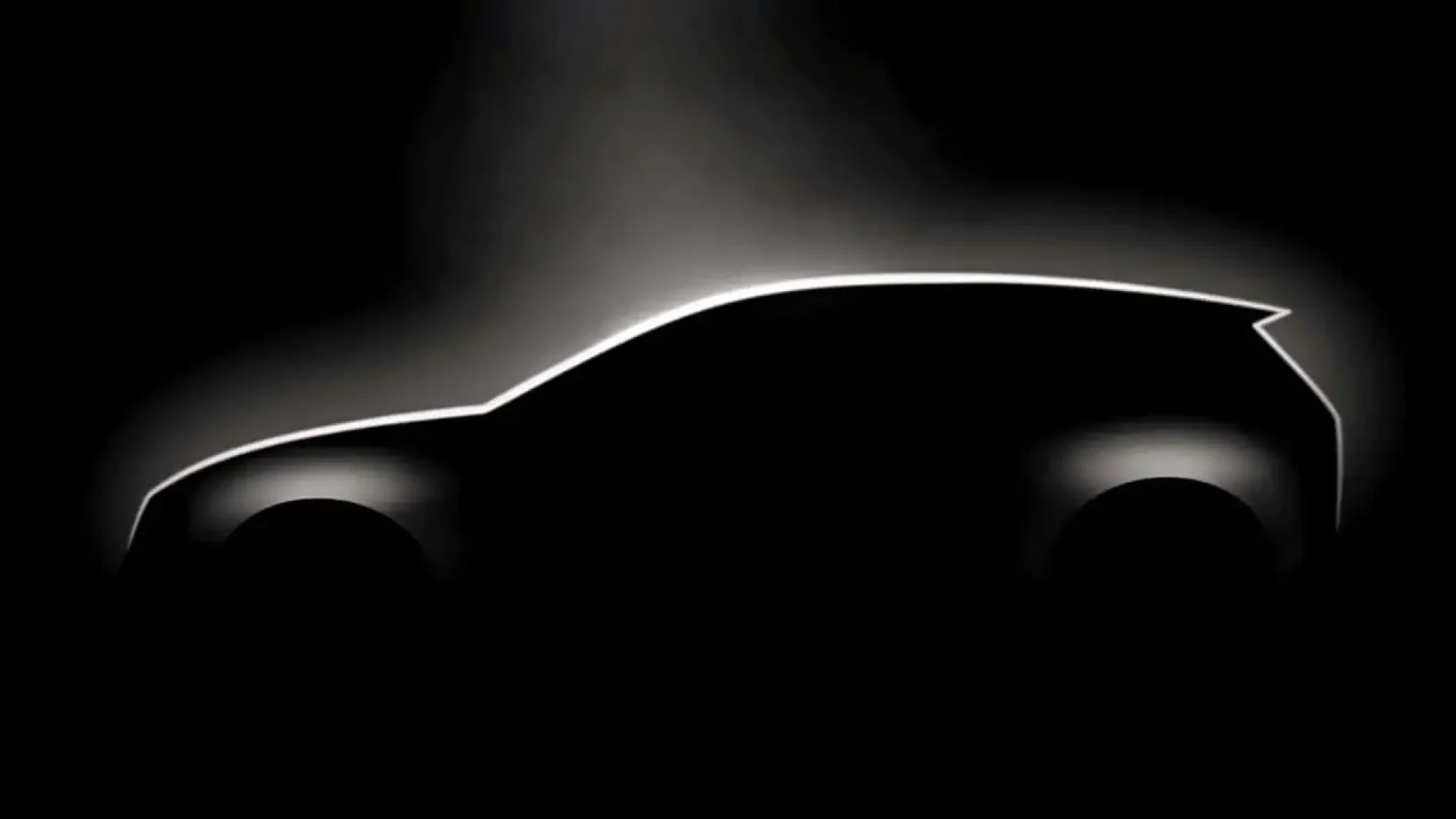
Volkswagen, during the presentation of its nine-month results for the year, announced that it would temporarily pause development of the upcoming electric Golf, which is slated to debut under the commercial name ID.Golf.
The Electric Golf Will Have to Wait a Little Longer
Its chief financial officer, David Powels, explained that work has been halted “until we can secure the investments we need.” The brand would rather preserve liquidity for now than roll out a costly new electric model that it cannot yet fund for development. It’s not a full abandonment: VW frames this as a pause, but it has not given a resumption date and has not confirmed that the model would be built for serial production. The decision is largely driven by the platform, which is not ready. The ID.Golf is meant to ride on the future SSP (Scalable Systems Platform), an next-generation architecture intended to serve as the backbone for an entire family of electric vehicles within the group. However, the platform has faced delays due to software challenges and rising development costs over the past few years. VW’s CEO, Thomas Schäfer, had already conceded that the brand does not need an electric Golf as early as 2028, signaling a launch around 2030 as the more realistic option. It’s Audi and Porsche that will pioneer the SSP first, before VW takes advantage of it.
ID.3 Neo and ID.Tiguan Will Lead the Charge
The day before, the company admitted that its electric vehicles remain at present less profitable than their internal-combustion counterparts. In this context, VW’s electric transition hinges as much on the balance sheets as on the engineering desks. But which model will fill the space in the meantime? The gasoline Golf, hybrids, and plug-in hybrids will continue to carry the lineup, while the electric offering in the C-segment will be handled by the ID.3 Neo and the new ID.Tiguan. The current version could even receive another facelift in 2027, three years after the 2024 refresh, at the same time production is moved from Wolfsburg to Puebla, Mexico, as part of a restructuring meant to cut costs in Europe. The Skoda Scala and Cupra Leon, which share much of their technical underpinnings with the Golf, could logically see their careers extended as well, since replacing several gasoline cousins while their electric successors await a platform would not make financial sense. It’s worth recalling that VW has already sold an electric Golf in the past, the e-Golf, sold from 2014 to 2020 before the ID.3 took over.