In Brief
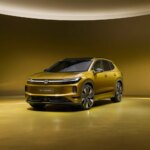
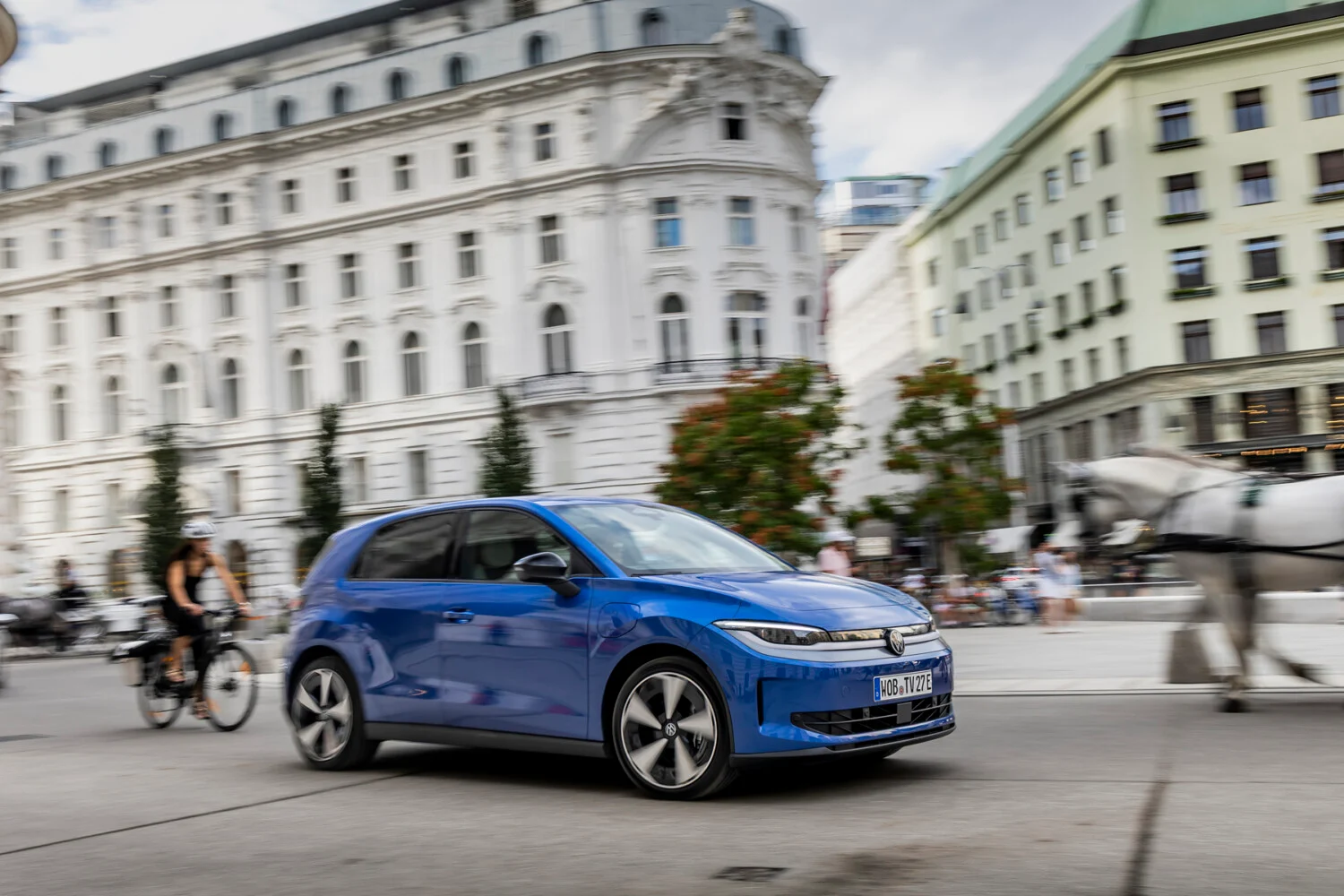
The Volkswagen ID. Polo marks the electrification of the famous city car with an ambitious seventh generation built on the dedicated MEB+ platform. Its top-spec model, delivering 211 hp and powered by a 52 kWh battery, offers solid performance, a range of about 280 miles, and stands out for refined comfort and notable space for its size. Its handling is calmer than agile, well suited to both urban driving and highway cruising, though it carries a higher price than entry-level alternatives. The package emphasizes versatility, perceived quality, and contemporary ergonomics, returning to Volkswagen’s core strengths.
Following the naming logic established in 2019 with the arrival of the ID.3, Volkswagen’s first all-electric, followed soon after by the ID.4, 5, and 7, it should have been called “ID.2.” But the automotive market is changing rapidly, and things don’t always unfold as planned. The German automaker revised its initial plan. Like Renault reviving the R5 or Mercedes reclaiming traditional model names for both EVs and combustion-powered cars, VW decided it might be wiser to lean on elements that helped build its reputation rather than throw the baby out with the bathwater. The Polo, with more than fifty years on the market and 20 million units sold, speaks to a broad audience and reassures them. Still, you must be ready to switch to electric: the seventh Polo, bearing the ID prefix, sits on the new MEB+ platform—a complete reworking of the current MEB architecture used by the ID family—and remains a front‑driven car, marking a departure from earlier all‑wheel‑drive interpretations in the ID lineup.
Volkswagen ID. Polo 211 hp/52 kWh Style: Not very demonstrative, nor sensational
You can sense it behind the wheel. Not clumsy, the ID. Polo is not particularly flamboyant or thrilling, even in our test example—the top‑tier Style trim with 211 hp, and to come later for a GTI variant. This power output never unloads abruptly, avoiding traction problems, and the chassis feels more reassuring and composed than sprightly. Yet the ID. Polo delivers on performance and handling. It does 0–60 mph in around 7.0 seconds, which many buyers will find plenty quick. With solid grip, it resists body roll and the steering is fairly direct and responsive, helping you guide a capable front axle with precision. The ride is well damped and comfortable, offering a commendable level of refinement for a 4.05-meter city car. In this flagship version, it behaves more like a compact executive sedan than a pure city runner, and it can cover long highway distances with ease. This is fortunate given the price, which sits well above the entry‑level variant. The versatility remains real, especially since the ID. Polo with the 52 kWh battery (37 kWh for the cheaper models) offers over 280 miles of range. That expands its usefulness beyond pure urban use or short trips.
Volkswagen ID. Polo 211 hp/52 kWh Style: A relatively light weight
During the development of the MEB+ platform and the electric drive unit, engineers prioritized lower consumption. They ruthlessly shaved unnecessary mass and optimized energy efficiency. The result is a relatively light electric car with one of the lowest stated consumptions in the segment—between about 13.3 and 13.8 kWh per 100 km. Those are idealized numbers, and real-world results vary, but our test of just over 200 kilometers on Austrian roads and highways yielded 14.2 kWh/100 km on the trip computer, which isn’t far off and bodes well for efficiency. For drivers worried about frequent stops, the ID. Polo offers quick charging. On AC, the onboard charger handles 11 kW (no 22 kW option here), and on DC fast chargers the 37 kWh version accepts up to 90 kW (about 27 minutes from 10 to 80%), while the 52 kWh version goes up to 105 kW, translating to roughly 24 minutes to reach 80% capacity.
Volkswagen ID. Polo 211 hp/52 kWh Style: A “small car” tag, really?
The sense that this ID. Polo is trying to shake the “small car” label is palpable inside, where there’s a generous feel for its size. The rear seat area is fairly roomy for a compact hatch, and the trunk is one of the largest in its class, even surpassing the larger ID.3 Neo in some configurations. VW also leans into its heritage by restoring straightforward ergonomics. Exterior handles return to traditional shapes, rather than hidden or flush designs that some designers fancy. Inside, most controls are still dominated by a near-13-inch central touchscreen (standard on all ID. Polo models), but practical, physical shortcuts for climate control and audio volume make a comeback with a tasteful chrome trim. The instrument cluster and instrument panel are well integrated, and the screen includes shortcuts for frequent actions like drive modes, navigation, and even the intensity of regenerative braking in the B mode for one-pedal driving. The classic steering-wheel paddles that many drivers expect would have been handy for adjusting regeneration, but the overall package remains highly functional. In short, VW aims to keep the most advanced onboard tech — including semi-autonomous driving features as an option — accessible and intuitive, without compromising the driver’s sense of control. All told, the ID. Polo stays true to the spirit of VW’s six‑model family while offering modern conveniences and a more polished user experience.
Volkswagen ID. Polo 211 hp/52 kWh Style: its strengths?
- Packaging/Interior space
- Range
- Ride comfort
Volkswagen ID. Polo 211 hp/52 kWh Style: its weaknesses?
- Pricing for the 52 kWh version
- Interior plastics
- Subdued handling feel
Auto Journal verdict: 4/5
It doesn’t steal the show on the interior, but the ID. Polo offers generous space for its footprint, remains solid and comfortable on the road, and with a 52 kWh battery it has everything you’d expect—range included—and, arguably, the price of a well-equipped small sedan.
Volkswagen ID. Polo 211 hp/52 kWh Style: in numbers
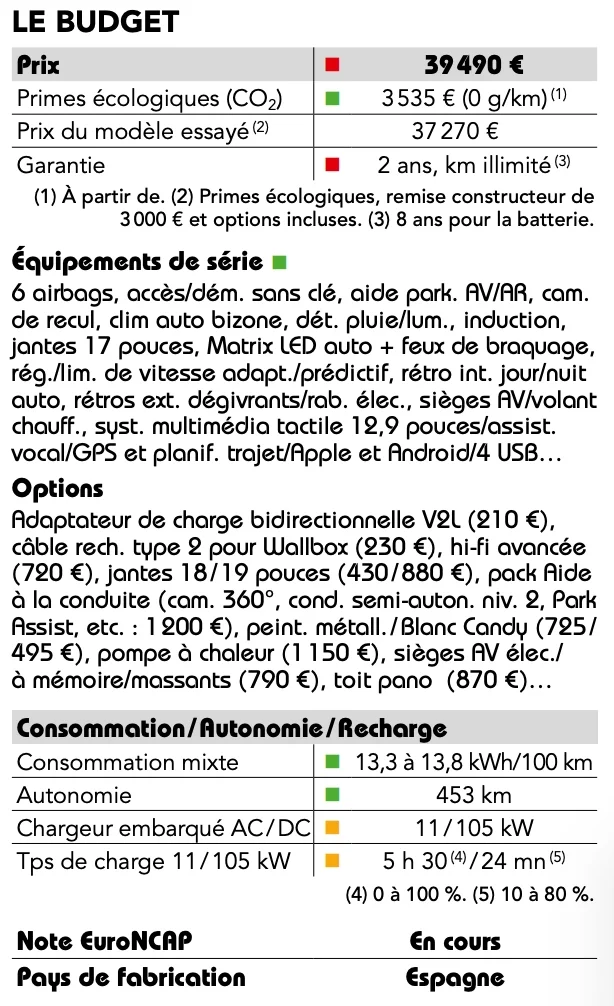
Find our first test of the Volkswagen ID. Polo 211 hp/52 kWh Style in Auto Journal issue 1217, dated September 17, 2026.
Comparative Table
| Version | Power | Battery | Range (claimed) | Efficiency (claimed) | Efficiency (test) | AC Charge | DC Charge | 0–60 mph |
|---|---|---|---|---|---|---|---|---|
| ID. Polo Style | 211 hp | 52 kWh | 450+ miles | 13.3-13.8 kWh/100 km | 14.2 kWh/100 km | 11 kW | 105 kW (24 min 10–80%) | 7.1 s |
| ID. Polo (entry-level) | Not specified | 37 kWh | Not specified | Not specified | Not specified | 11 kW | 90 kW (27 min 10–80%) | Not specified |
Key Takeaways
- The Volkswagen ID. Polo ushers in a new electric era for the German city car.
- Built on the MEB+ platform, it offers up to 211 hp and a 52 kWh battery with more than 450 km of range.
- Real-world efficiency measured at around 14.2 kWh/100 km—close to official figures.
- Ride comfort, rear seat space, and cargo capacity rank among its strongest points.
- Fast charging is available: about 80% in 24 minutes on a 105 kW DC charger.
- High pricing and certain material choices are noted as drawbacks.
FAQ
What is the announced range of the Volkswagen ID. Polo 52 kWh?
The announced range for the 52 kWh ID. Polo exceeds 450 kilometers (about 280 miles).
What is the charging time for the 52 kWh battery on a fast charger?
The 52 kWh battery can reach 80% charge in about 24 minutes on a 105 kW DC charger.
What are the main strengths of the ID. Polo according to the test?
Its space, range, ride comfort, and refined sound insulation are highlighted as key strengths.
Is the Volkswagen ID. Polo strong in acceleration?
Yes, the 211 hp version hits 0–60 mph in about 7.1 seconds.
What are the weaknesses noted during the test?
High price for the 52 kWh version, some plastic materials, and a rather placid overall feel were cited as drawbacks.