Waiting for a passenger to finish, while the car’s engine is off and the vehicle is parked. And then, a few minutes later, finding oneself stripped of more than €1,100 by a stranger. This is what happened on Wednesday, September 16, in Frameries, in the Hainaut province, where a driver was targeted on a simple parking lot.
The Boraine police zone confirmed the incidents and is now urging vigilance. According to authorities, several similar situations have been reported in recent days in the region, always following the same script: a driver accused of having damaged another vehicle and pressed to pay cash, on the spot. Police describe it as a “rear-view mirror scam,” a fraud tactic well known to law enforcement that, in Frameries, proved costly for the victim.
In Frameries, a rear-view mirror scam costing 1,100 euros
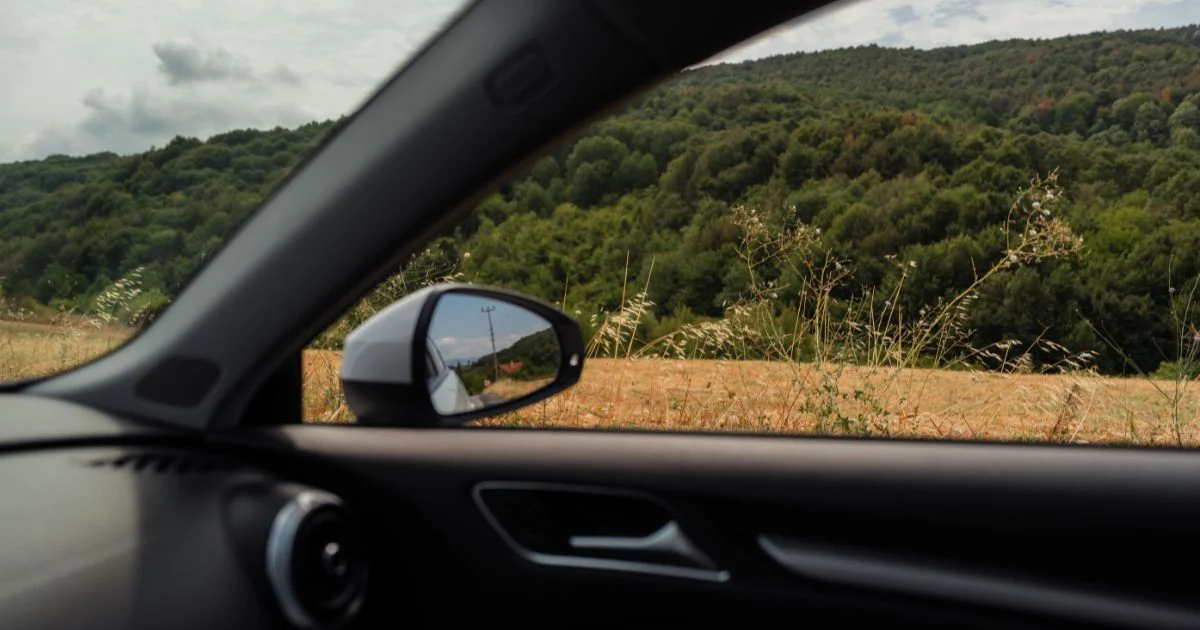
At the time of the incident, the motorist was waiting inside the car. Their passenger had just gone to an ATM to withdraw money. A man then approaches, accusing the driver of hitting his vehicle and causing damage, particularly to a side mirror. The man does not simply protest through the window: he opens the door, climbs into the cabin, and sits beside his target to demand immediate cash.
How the rear-view mirror scam works, and the reflexes to adopt
What happened in Frameries fits a modus operandi already observed elsewhere. In many rear-view mirror scams, the crook drives around with a damaged or marked rear-view mirror. He selects a target, often a lone person or an elderly individual, in a parking lot or a narrow street. Then he feigns a collision or impact, accusing the motorist of damaging his car, sometimes after a mere noise or a tight encounter.
Some stage a fake insurance call, with an accomplice on the phone confirming that it’s better to settle in cash on the spot. The objective remains the same: to obtain, very quickly, several hundred euros, sometimes more, without giving the victim time to think.
For police, everything hinges on psychological pressure and the declared intention to “settle this amicably” without going through the insurance. The Boraine police zone reiterates several simple rules to avoid falling into the trap. It highlights one key point: “Never hand over cash,” she notes, quoted by Sudinfo. The advice aligns with guidance from other law enforcement agencies in Belgium and France: offer an amicable accident report in the event of a real crash, refuse to let a stranger into your vehicle, and call official numbers yourself if you have any doubt about the situation.
Concretely, several reflexes can make a difference the moment someone accuses you of breaking their rear-view mirror:
- Always propose completing an amicable accident report, rather than an oral cash settlement.
- Refuse to hand over any cash on the roadside or in a parking lot.
- Never allow a stranger to enter your vehicle, even “to talk things over.”
- Call your insurer yourself, the local police at 065/619.619, or 112 if you’re unsure about the situation.
- Take photos of the vehicles, the mirror(s), and note the other car’s license plate.
- Be especially vigilant for elderly people in your circle, who are commonly targeted by these scams.
In Frameries, the Boraine police zone explicitly urges drivers who feel uneasy to contact them in ambiguous situations rather than yielding to pressure. A reminder for all drivers: whether on a parking lot, in a busy street, or at a highway rest area, taking a few minutes to verify, call, and think things through is often the best way to avoid losing, as in this case, more than €1,000 to a complete stranger.