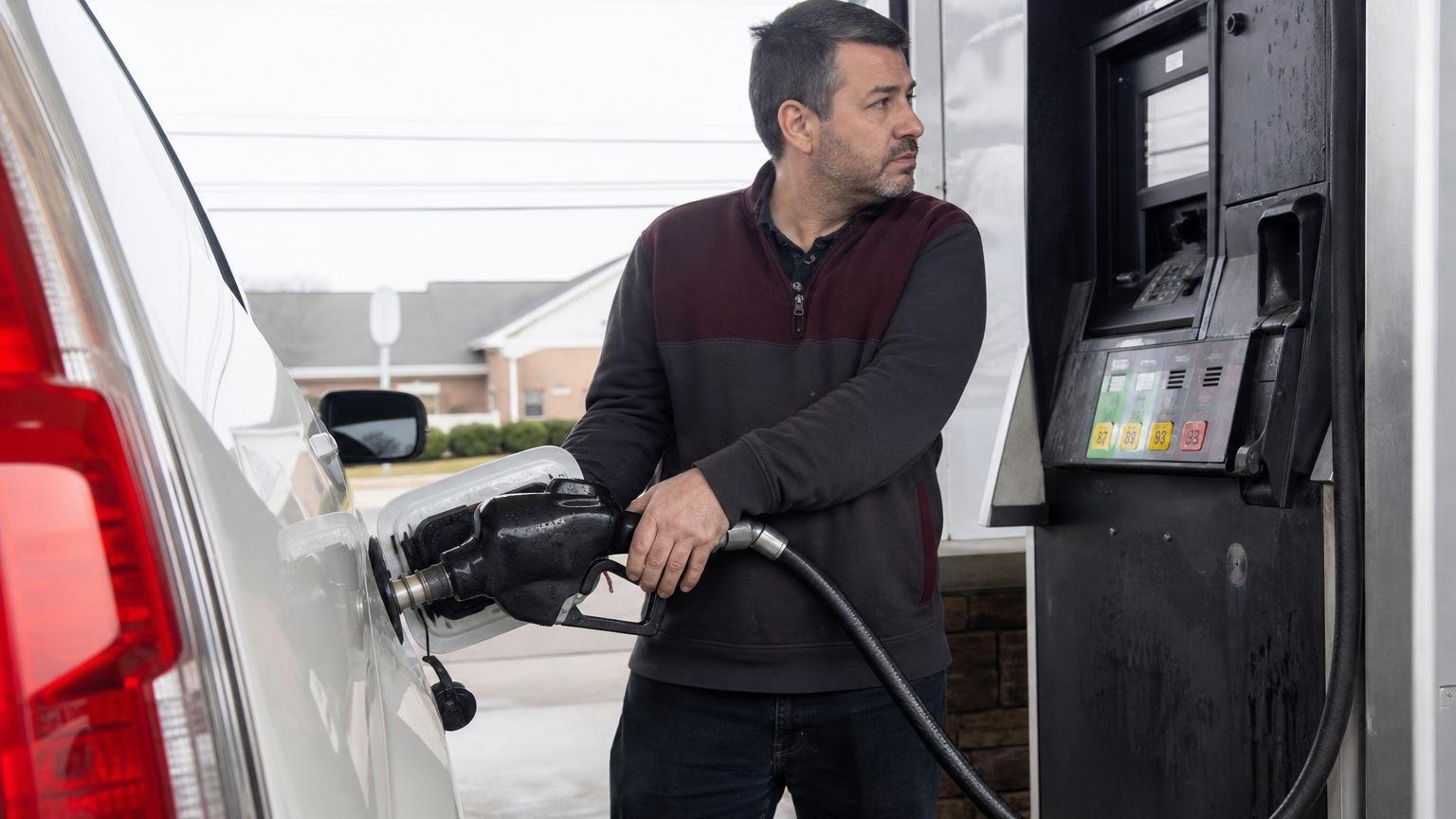
Drivers across the U.S. are feeling a familiar pinch as pump prices creep higher, crossing the psychological $4 threshold in more places and unsettling household budgets. The move has been steady, not spectacular, but the momentum is unmistakable — and many station owners say the trend has legs.
“It’s not stopping at four bucks,” said a Midwest station operator, noting delivery invoices that have risen for weeks. “Every time I reload the tanks, the new fuel costs more.”
What tipped prices back up
A mix of factors has tightened the market: firmer crude prices, seasonal fuel blends, and ongoing refinery maintenance that limits gasoline output. Layer in geopolitical jitters and shipping constraints, and wholesale prices have nudged retailers to move their street signs.
Spring typically brings a switch to lower-vapor-pressure gasoline, which is cleaner but pricier to make. “You can feel the shift every March,” said a Gulf Coast supplier. “Summer blend is real money.”
Retailers feel the squeeze
Contrary to popular belief, small operators often hate raising prices because they risk losing traffic to a rival across the intersection. But margins can be razor-thin, and when racks jump, stations follow or bleed cash.
“I’m paying more for credit card fees, lighting, and labor, before I even turn on the pumps,” said an independent owner in the Southwest. “If I don’t move to $4.09, I’m underwater by noon.”
Why four dollars isn’t the ceiling
Four dollars is a milestone, not a mooring. If crude sticks above recent ranges and refineries maintain outages, retail prices can grind higher even without a big shock.
Analysts point to demand resilience — people still drive, despite grumbles — and inventories that are adequate, not abundant. In tight markets, small imbalances create outsized price reactions at the pump.
Regional gaps widen
Prices rarely move in lockstep. Coastal markets bound by boutique fuel standards and limited pipeline capacity tend to rise first and fastest, while interior states sometimes lag.
Transportation costs add their own premium; the farther fuel must travel, the more pennies get stacked. That’s why the same brand can post different numbers a few exits apart.
Household math, rewritten
At or above $4, families start replanning errands, postponing trips, and pivoting to cheaper grocery chains to offset fuel spend. “I’m consolidating my drives into two days a week,” said a delivery worker juggling child-care shifts.
Some drivers test alternatives, from carpool apps to transit passes and telework arrangements. But in many suburbs, the car remains a lifeline, making fuel costs hard to escape.
What station owners are watching
Operators are glued to a few signals that often foreshadow the next move:
- Gulf Coast and New York Harbor wholesale benchmarks, which feed into retail pricing
- Refinery utilization rates and unplanned outages during spring turnarounds
- Crude spreads between WTI and Brent, which can alter regional economics
- Freight and pipeline tariffs that nudge delivered costs higher
EVs, efficiency, and the near-term reality
Longer term, improved mpg and the EV shift should cap gasoline growth, but those forces move slowly. In the near term, seasonal dynamics and refining bottlenecks still set the daily tone.
“People talk EVs, but my customers fill up today,” said a station manager off an interstate corridor. “When diesel jumps, everything in my store costs more to stock.”
How consumers can adapt
You can’t control the rack, but you can trim waste. Small habits — steady speeds, proper tire pressure, and removing roof clutter — can save real money over a month of driving.
Apps that track prices help time purchases, while loyalty programs shave a few cents per gallon. Consider paying with debit at stations that add a surcharge for credit swipes.
The path into summer
The next eight weeks are pivotal. If crude eases and more capacity returns from maintenance, prices could stall or slip — but an early heat wave, hurricane risk, or new supply snag could re-ignite the climb.
For now, the market’s message is simple: the line between $3-something and the “4” handle is thin, and momentum favors the upside. “We’re bracing for a busy driving season,” said a Northeast retailer. “I just hope the numbers on my marquee don’t chase folks away.”