In Brief
A former Honda CR-V owner in Toronto was hit with a tow bill in 2026 for a vehicle he sold back in 2011 because the registration had never been transferred by the buyer. Even after notifying the authorities of the sale, the Ontario system keeps the old owner in the records until the buyer takes action. This case underscores the importance of guiding the buyer through the registration steps and keeping thorough proof of sale. Protective systems exist in other places, but Ontario leaves the responsibility on the seller to ensure everything is finalized.
Selling a used car is often treated as a quick, straightforward matter: you collect payment, you sign, and you move on. For Mario Iamundo, a former Toronto owner of a Honda CR-V, that page abruptly reopened—this time with a hefty line at the bottom.
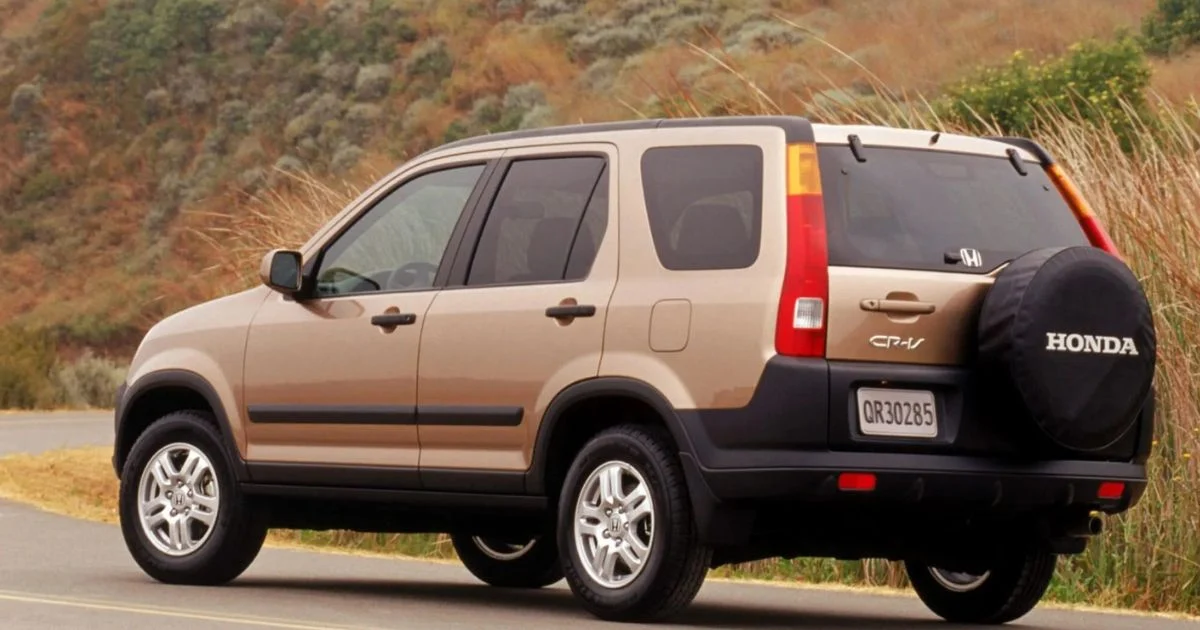
Mario Iamundo received a bill for $1,130 CAD from Classic Towing and Storage of Etobicoke. It covered the tow and storage of a Honda CR-V 2002 he had sold in 2011. The document named him as the last titled owner of the vehicle, even though he says he sold and declared the car years ago. In Ontario, the buyer has six days to register the car in their name. In this case, that step was never completed, with obvious consequences for the former owner.
Tow Bill: In Ontario, the ex-owner of the Honda CR-V stays in the records
At the time he sold his CR-V, Mario Iamundo followed the procedure to report the transfer to ServiceOntario. The car’s status in the system was marked as “sold,” which confirms it changed hands. But in this administrative framework, simply changing the status does not automatically transfer the registration. So long as the buyer hasn’t registered the vehicle within six days, the former owner remains listed as the “last registered owner.”
That file is precisely what Classic Towing and Storage consulted after towing and storing the Honda in Etobicoke. The company traced the record to the most recent name on the registry—the one belonging to Mario Iamundo. He received the tow and storage bill totaling CAD 1,130. “I was responsible for paying storage fees on a car I haven’t seen in 15 years. That doesn’t seem fair,” he told CTV News. The CEO of Classic Towing and Storage, Kevin Araya, says this scenario occurs more often than people realize. He notes that some used-car buyers simply forget to transfer the registration. He advises sellers not to hand over the keys until the title has been changed. It’s unclear who owned the CR-V during all those years; no details are provided. Mario Iamundo ultimately paid the amount, reluctantly. He believes consumers deserve better protection against bills arriving years after a sale.
Selling Your Car Without Risk of a 15-Year-Old Bill
This mishap isn’t just an administrative oddity; it also shows that seller protections vary by region. Some U.S. states offer an extra safety net. In California, for example, the seller must notify the DMV within five days. They complete a form called the “Notice of Transfer and Release of Liability.” The buyer still must finalize the title transfer. But this notice generally shifts responsibility for fines, penalties, and civil charges to the new owner. In Texas, a related mechanism exists with the “Vehicle Transfer Notification.” The seller can file it within 30 days so that the sale is added to the vehicle’s record. And in the United Kingdom, the V5C registration form requires the seller to send the buyer’s name to the DVLA, locking in the ownership change promptly.
In Ontario, the seller can request that the vehicle be moved to the “sold” status with ServiceOntario. But the burden of registration remains squarely on the buyer, even years later. And that’s where the risk lies. If the buyer never completes the transfer, the seller remains the point of contact for towing and for administration—a situation that can surprise someone years after the sale. The Honda CR-V episode of Mario Iamundo serves as a reminder that a sale involves more than just signing papers and handing over keys. Guiding the buyer through the registration process and confirming that the ownership change is properly recorded are prudent practices. Keeping written documentation of the full transaction completes this checklist of best practices and helps avoid a scenario where, fifteen years down the line, a car you thought you’d left behind resurfaces in your life.
Comparison Table
| Country/State | Notification/Transfer Deadline | Transfer Mechanism |
|---|---|---|
| Ontario (Canada) | 6 days (for the buyer) | Seller marks as “sold,” but registration remains if the buyer does nothing |
| California (USA) | 5 days (for the seller) | Form “Notice of Transfer and Release of Liability,” transfers liability |
| Texas (USA) | 30 days (for the seller) | “Vehicle Transfer Notification” to add to the vehicle’s file |
| United Kingdom | Not specified | Form V5C sent to the DVLA by the seller, immediate change of ownership |
| Charge received (Ontario) | 15 years after the sale | CAD 1,130 (about USD 815, EUR 750) for tow and storage |
Key Takeaways
- A former Honda CR-V owner in Toronto received a CAD 1,130 bill for a car sold 15 years earlier.
- The registration had never been transferred, leaving the old owner liable to authorities.
- Ontario law does not require the transfer to the buyer, leaving the seller vulnerable.
- Other regions have stronger protections for sellers.
- It’s wise to accompany the buyer through the registration transfer and keep written documentation of the sale.
FAQ
Why did Mario Iamundo receive a bill 15 years after selling his CR-V?
Because the buyer never transferred the registration, Mario remained listed as the last owner in the registry.
How does the registration transfer work in Ontario?
The buyer has six days to register the car in their name; the seller can only report the sale, but the system keeps the ex-owner listed until the buyer takes action.
Are there ways to protect yourself in other regions?
Yes—there are more protective procedures, for example in California, Texas, or the United Kingdom, where the seller can notify authorities to transfer responsibility.
What does the tow-truck professional recommend?
They advise not handing over keys or the vehicle until the buyer has completed the title change.
What amount did Mario Iamundo have to pay?
He incurred a CAD 1,130 bill for tow and storage of the vehicle.