

The International Energy Agency (IEA) has, for the first time, put into perspective the energy savings associated with the electrification of transport. And according to its calculations, electric vehicles are going to reduce global oil demand by more than 12 million barrels by 2035.
The report ‘Global EV Outlook 2026’ asserts that moving away from diesel engines already means consuming 1.7 million fewer barrels of oil per day, but in just ten years that figure will multiply by ten. This volume of crude is equivalent to the United States and Norway’s combined production in 2023, or 12% of the world’s oil demand expected by then.
Less Oil, Less Dependence, More Energy Autonomy
According to the IEA, in 2025 electric cars reach a 5% share of the global market and have already avoided burning 1.7 million barrels of oil per day (700,000 in 2023), mainly in China, Europe and the United States. And this is just the beginning: in just 12 years, that saving will multiply by 17, according to the IEA’s APS (Announced Pledges Scenario), based on regulatory commitments already announced by various countries.
The IEA projects that 2026 will see 23 million electric vehicles sold per year. That would translate into a global market share above 29%. And this rapid growth will enable something that seemed impossible just a short time ago: moving the peak oil demand in transportation to before 2030.

IEA experts point out that breaking free from crude is no longer only an environmental matter, but also a matter of power: the more electric vehicles there are, the less dependence on the main oil producers, and that strengthens the energy autonomy of countries like China, India, or EU members.
It also reduces pressure on refineries, oil tankers, and the logistics crises we have faced in recent years with the pandemic or wars in Ukraine and Iran.
The calculation suggests that the electric vehicle fleet kept oil demand growth to only 0.7% in 2025, well below the 1.4% average annual rate between 2010 and 2019.
Batteries, Charging Points, and an Industry Reinventing Itself
But this is not just about leaving behind combustion engines. For this to work, battery production must be quadrupled by 2030, according to the IEA. And that means a massive expansion of production, as well as a real race to secure materials such as lithium, cobalt, or nickel, “to ensure stronger and more sustainable supply chains.”
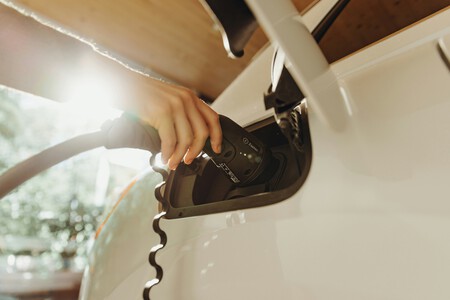
On the other hand, the report notes that charging networks will have to grow at exponential rates, with continued investments and regulatory advances that facilitate interoperability between countries and brands. The electric vehicle is no longer just a matter of automotive, but a key piece of global industrial and energy policy, and the IEA estimates that between 2025 and 2030 150 million charging points will need to be added worldwide and charging capacity multiplied by 10.
China Rules, but the Future Is Played Out in the Emerging World
China clearly dominates: it accounts for 70% of all electric cars on the planet in 2025 and a sales share close to 55%. It is followed by Europe with 28% and the US with 10%.
But the real challenge lies in the emerging countries. EV sales have risen by 2 million outside China, Europe and the US. Brazil, Thailand or Vietnam are attracting multi-billion investments and building their own industry. In Latin America, EV growth is around 75%. If this transition is to be global, these countries cannot be left behind.

China is exporting its industrial edge to these markets. In 2025, Chinese manufacturers already supplied about 60% of EV sales to emerging economies outside China. Chinese EV exports to Southeast Asia grew by 130% and 60% to the Middle East.
China remains the epicentre of the electric revolution, but the fastest growth is gradually shifting toward emerging markets.
On price, the report notes that in China there are EVs cheaper than their internal combustion counterparts. In Europe or the US we still cannot say the same, though they are getting closer. For now, they remain between 10% and 50% more expensive.
But if we look at the total cost (purchase price, maintenance and energy), EVs already win in most markets. The IEA says price parity at the point of purchase will be reached globally around 2030.
Find Your Ideal Electric Car
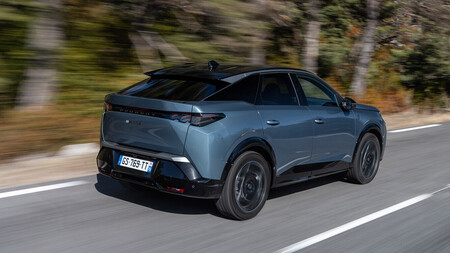
If you have considered buying an electric car, this is going to interest you. We have created the Personalized Electric Car Recommender, where in addition to seeing the models that fit your needs you will also find answers to the questions that may worry you most, such as price, range or nearby charging points.

Looking for your next electric car and feeling overwhelmed by so many options? It’s normal.
More than 45,000 readers have already tried it. And you?
Advice provided by the brand