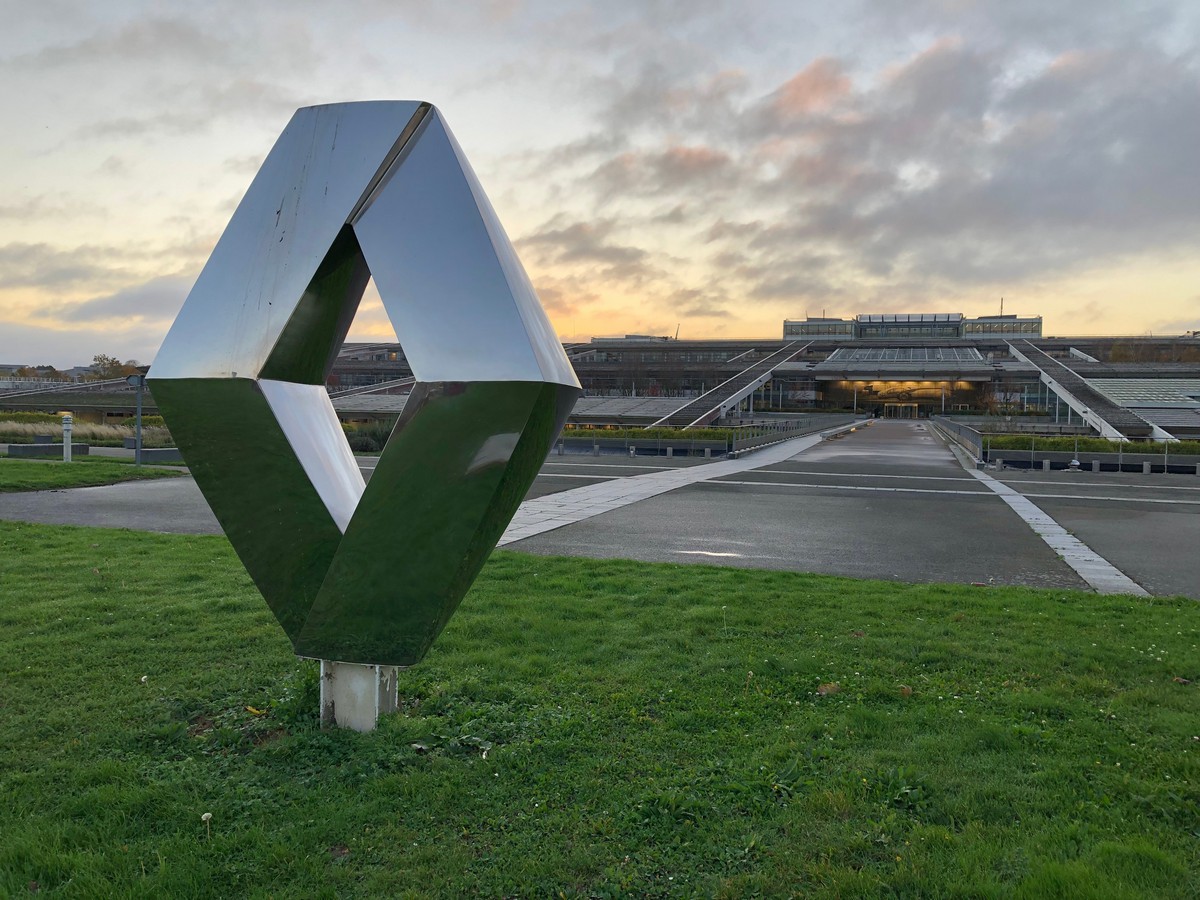
Renault, the French automaker known for the diamond badge, will part ways with 800 research and development engineers in France by 2027. A bold move, but a pivotal one for the brand, which must adapt in today’s highly competitive market where the pace of vehicle development is accelerating.
Renault to Cut 800 Engineers
This isn’t the first time a European manufacturer has announced job reductions. Usually, these cuts hit shopfloor workers in production plants, some of which have moved production elsewhere. Certain regions across Europe have borne the brunt of auto factory shutterings.
But this time, Renault must trim its management ranks. Half of the positions cut will be in France. The company plans to see 800 engineers depart by 2027, notably at the Technocentre in the Paris region, as well as at the Villiers-Saint-Frédéric site, which is slated to close in the near future.
Reorganizing Its Structure
Even though Renault will bid farewell to 800 engineers, it won’t affect those specializing in electric vehicles, cybersecurity, and artificial intelligence. Renault recognizes the importance of these areas and is unlikely to cut staff in these functions.
At the same time, Renault plans to hire between 150 and 200 new engineers and to retrain 2,000 employees, totaling 200,000 hours of training. This substantial investment signals Renault’s strategic pivot toward electric and connected vehicles.
Fighting China
According to Renault’s leadership, the move is part of an effort to counter China’s growing footprint in the automotive world. As the group’s chief executive, François Provost, has emphasized, it is necessary to close the gap with China in design and development capabilities.
But what better way to counter China than by leveraging one’s own strengths? The Renault Twingo E-Tech was developed in China at a rapid pace to yield a modern vehicle, precisely thanks to the speed of execution from Chinese engineers. Renault has leaned on its subsidiary ACDC (Ampere China Development Center), which employs a large team of engineers specialized in electric cars.
One might wonder how Renault can accelerate its development pace while reducing its engineering headcount. Perhaps artificial intelligence could enable Renault—and other automakers—to speed up development even further.