
In Brief
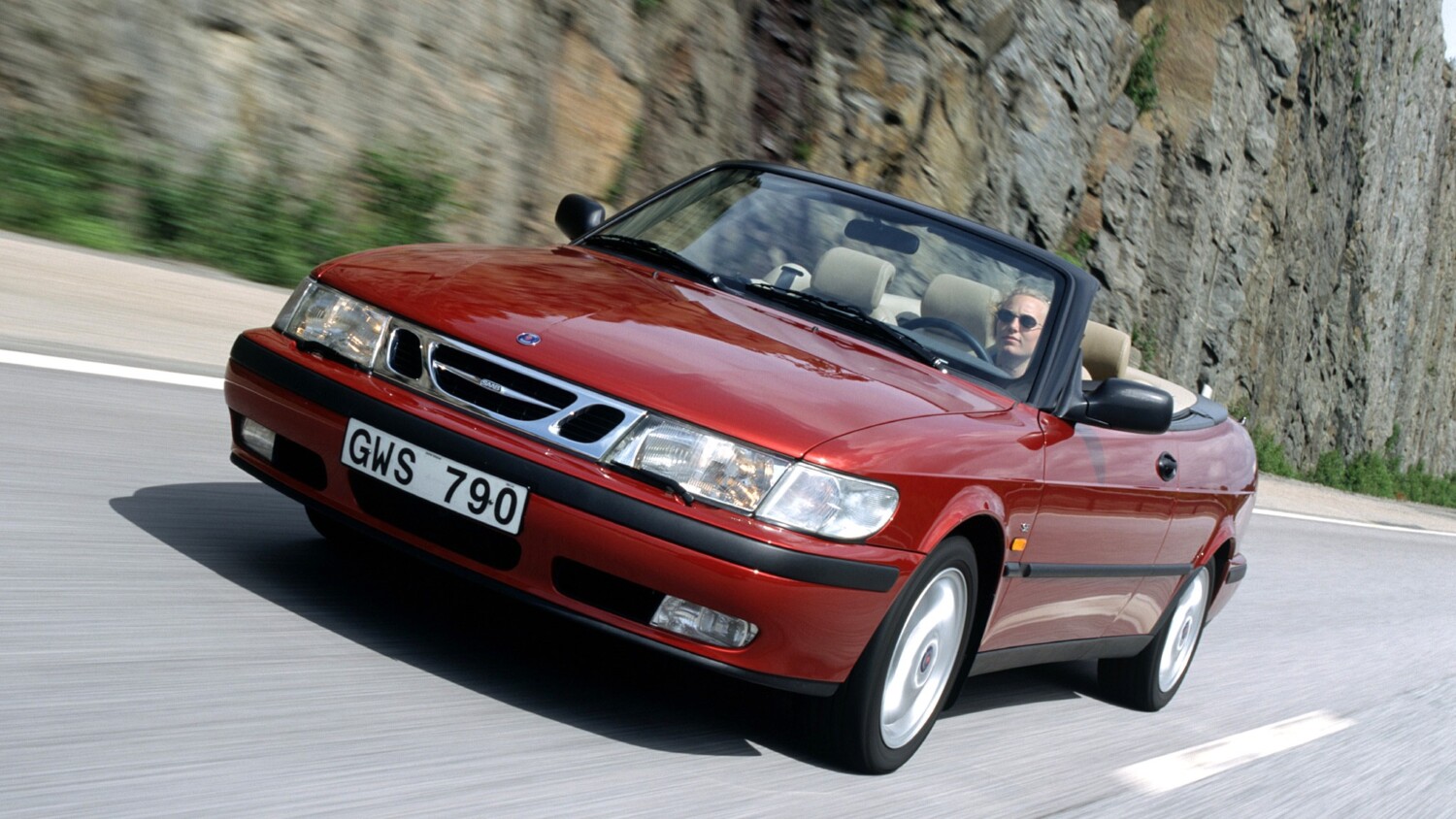
SAAB, the Swedish manufacturer renowned for its technical innovations and aerodynamically influenced aesthetics, has undergone several transformations since its founding in 1937. After being acquired by General Motors, the brand lost part of its identity and ultimately ceased to exist officially in 2011. The final prototypes and pre-production cars still preserved at Trollhättan are set to go up for auction in May 2026, marking the definitive end of the automaker. These unique models represent the last tangible heritage of SAAB in automotive history.
It’s easy to overlook now, but Volvo has historically not been the only mainstream Swedish carmaker: SAAB was also part of that landscape.
SAAB: From Aircraft Manufacturer to Auto Maker
Founded in 1937 as an aviation company – a division that remains in operation today – SAAB ventured into automobiles the immediate postwar years, with designs that stood out for their technology and their aerodynamic “teardrop” styling. Two traits that would endure into the 1980s, when the brand partnered with Fiat to reduce development costs for its 9000, a model seen as more stately than the 900, before General Motors took an equity stake in 1995 and then gained full control by 2000. SAABs then shed part of their soul due to the inevitable economies of scale of the American group (shared technical components, body panels, etc.), or even rebadged models that sometimes didn’t fit the brand’s identity to broaden the lineup (notably in the USA with the 9-2X/Subaru Impreza, 9-4X/Cadillac SRX, and 9-7X/Chevrolet Trailblazer). Launched in 2010, and although technically very similar to the Opel Insignia, the last 9-5 tried to retain a hint of SAAB DNA. But it was already too late. After a failed rescue attempt by Spyker Cars, the brand disappeared on December 19, 2011.
The Eight Last SAABs Will Definitively Leave Trollhättan
The NEVS consortium would acquire the assets and attempt to revive production while developing new technologies – without the right to use the SAAB name. But no car would ever roll off the Trollhättan plant again, as the Emily GT project, handed to a Libanese-Canadian company, also fizzled out. The sequel, and the ending: on May 30, 2026, the eight last cars preserved in SAAB’s old Trollhättan plant, Sweden, will be auctioned by Klaravik. This sale will seal the definitive end of the famous Swedish brand. These eight cars are intended for true enthusiasts who will likely not even have the chance to drive them. They are, in fact, prototypes and pre-production vehicles dating from 2014 to 2018, after the assets (including the Swedish factory) were purchased by the Sino-Swedish NEVS consortium under the Evergrande umbrella, which itself went bankrupt in 2023. Among them, there are SAAB 9-3s with technologies under development, exploring notably an electric version with wheel motors, another equipped with lidars and cameras for autonomous driving, or even a range- extender-equipped example, a technology now favored by Chinese manufacturers.
The most developed example — and perhaps the one most likely to someday be roadworthy — is a 9-3 petrol dating from the attempt to bring the sedan back into production in 2014, which shows 18,430 km on the odometer. Finally, the last model is not a SAAB at all but a Chinese Hengchi 5 SUV, one of the few Evergrande-produced models to reach Europe.
The Essential Takeaways
- SAAB was founded in 1937 as an aircraft maker before moving into automobiles.
- The brand made its mark with bold engineering choices and a distinctive aerodynamic design.
- General Motors took control in 2000, which led to a loss of the automaker’s identity.
- After several failed rescue attempts, the brand disappeared in December 2011.
- The eight final prototypes and pre-production vehicles remaining will be auctioned in May 2026.
- These models include SAAB 9-3 electric cars, autonomous technologies, and a Hengchi 5 SUV produced by Evergrande.
FAQ
When did SAAB officially disappear from the automotive market?
SAAB officially disappeared on December 19, 2011 after the failed takeover by Spyker Cars.
Why did SAAB lose its identity under General Motors?
GM pushed the use of shared parts and rebadged models, which diluted SAAB’s original spirit.
What will happen to the last SAABs preserved in Trollhättan?
They will be auctioned on May 30, 2026 and represent SAAB’s final prototypes and pre-production vehicles.
What kinds of technologies are in the prototypes up for auction?
Among them are SAAB 9-3 electric cars with wheel-motor configurations, models with lidars for autonomous driving, and a range-extender-equipped example.
Will the SAAB name be reused in the future?
No SAAB cars will ever leave the factory again, as recent attempts could not use the name.