The price war is about to ripple through Stellantis’ electric vehicle batteries. After a cautious early adoption of LFP batteries on Stellantis’ affordable cars—favoring Lithium-Nickel-Manganese-Cobalt (NMC) for most models—the Franco-Italian group is set to roll out LFP across more of its lineup. The move should help bring down the price of Stellantis’ EVs.
LFP Batteries Tried on a Small Slice of Production
Stellantis now offers a richly diversified electric lineup, spanning from the Citroën Ami without a license to the Maserati GranTurismo Folgore, including city cars and family-friendly models. There is a car for every use. Yet, only four models across 14 brands currently use LFP batteries. These are the models built on the smart car platform for affordable vehicles: the Citroën ë-C3 and ë-C3 Aircross, the Fiat Grande Panda, and the Opel Frontera.
All other models in Stellantis’ portfolio rely on NMC (nickel-manganese-cobalt) chemistries, whether it’s the 208, the 2008, the 3008, the 5008 and all other electric derivatives like the DS 3, DS 4, DS 7, DS 8, the Citroën ë-C4 and ë-C5, Alfa Romeo Junior, Lancia Ypsilon, Opel Corsa, Mokka and Grandland, and many more.
Nevertheless, to stay competitive in the electric-vehicle market and ensure sufficient sales volume to keep the company running smoothly, Stellantis needs to find a way to keep pace with the price war led by Chinese manufacturers and followed by other European automakers.
The LFP Battery to Cut Costs
It was during Stellantis’ earnings presentation on Wednesday, October 28, 2026, that Antonio Filosa, the group’s CEO, announced that many European EVs in the Stellantis lineup would switch to LFP batteries in 2027. This shift in battery chemistry will accompany the introduction of the STLA One platform, slated to arrive next year, with the first models to benefit including the eagerly anticipated new Peugeot e-208, a model facing off against the VW ID. Polo (which already uses LFP in volume).
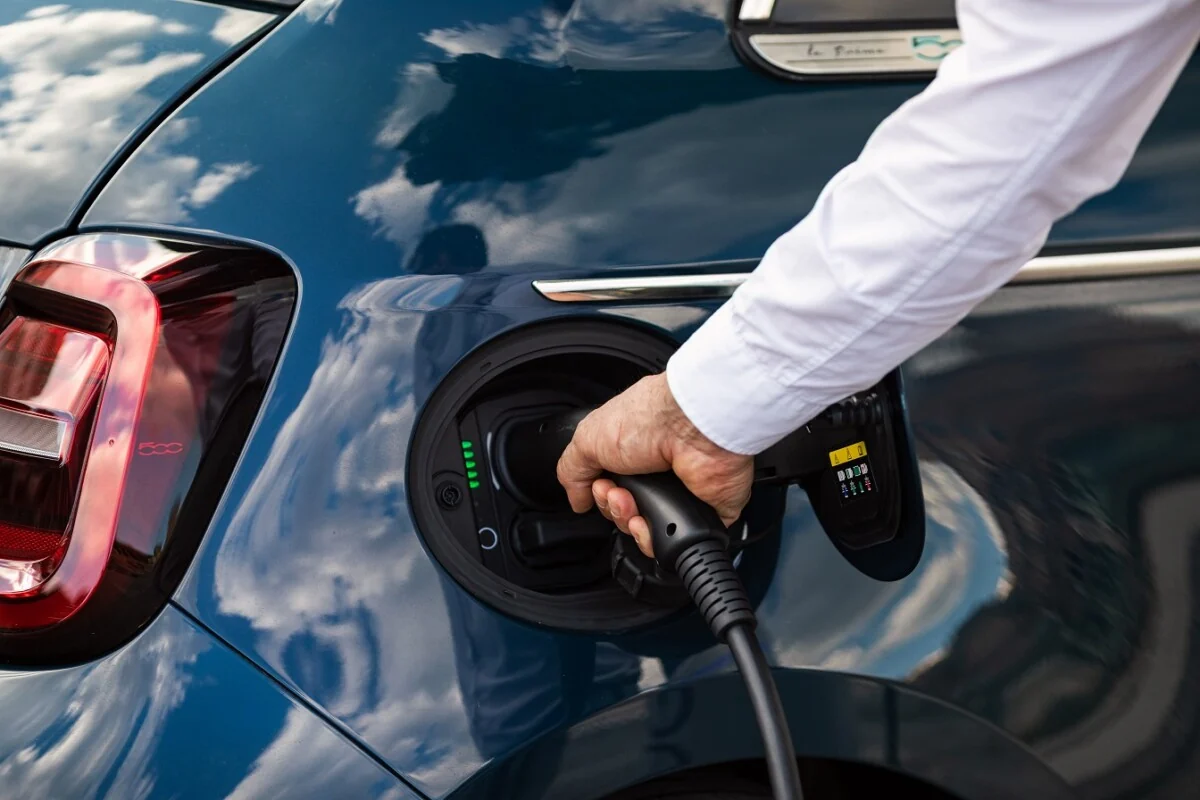
But before STLA One is rolled out, Stellantis will fit LFP batteries to some models outside the smart car platform already cited. The first model to undergo this change will be the Fiat 500e, which will receive an LFP pack to push its starting price below €20,000 and position it as a more serious rival to the Renault Twingo. Today, the price gap tilts in favor of the Renault Twingo and its LFP battery, which is advertised for under €20,000, compared with the Fiat 500e’s starting price of €23,900. In dollar terms, that Renault price under €20,000 translates to roughly $22,000, while the Fiat 500e starts at about €23,900 (around $26,000).
And if prices do go down thanks to LFP adoption, it’s not by accident. The absence of cobalt and nickel in LFP cells translates into roughly 40% lower costs per kilowatt-hour than NMC, a factor that helps lower EV prices without sacrificing battery life or range.