It is a turning page in the industrial history of Northern France.
The historic Douvrin engine plant closes its doors for good
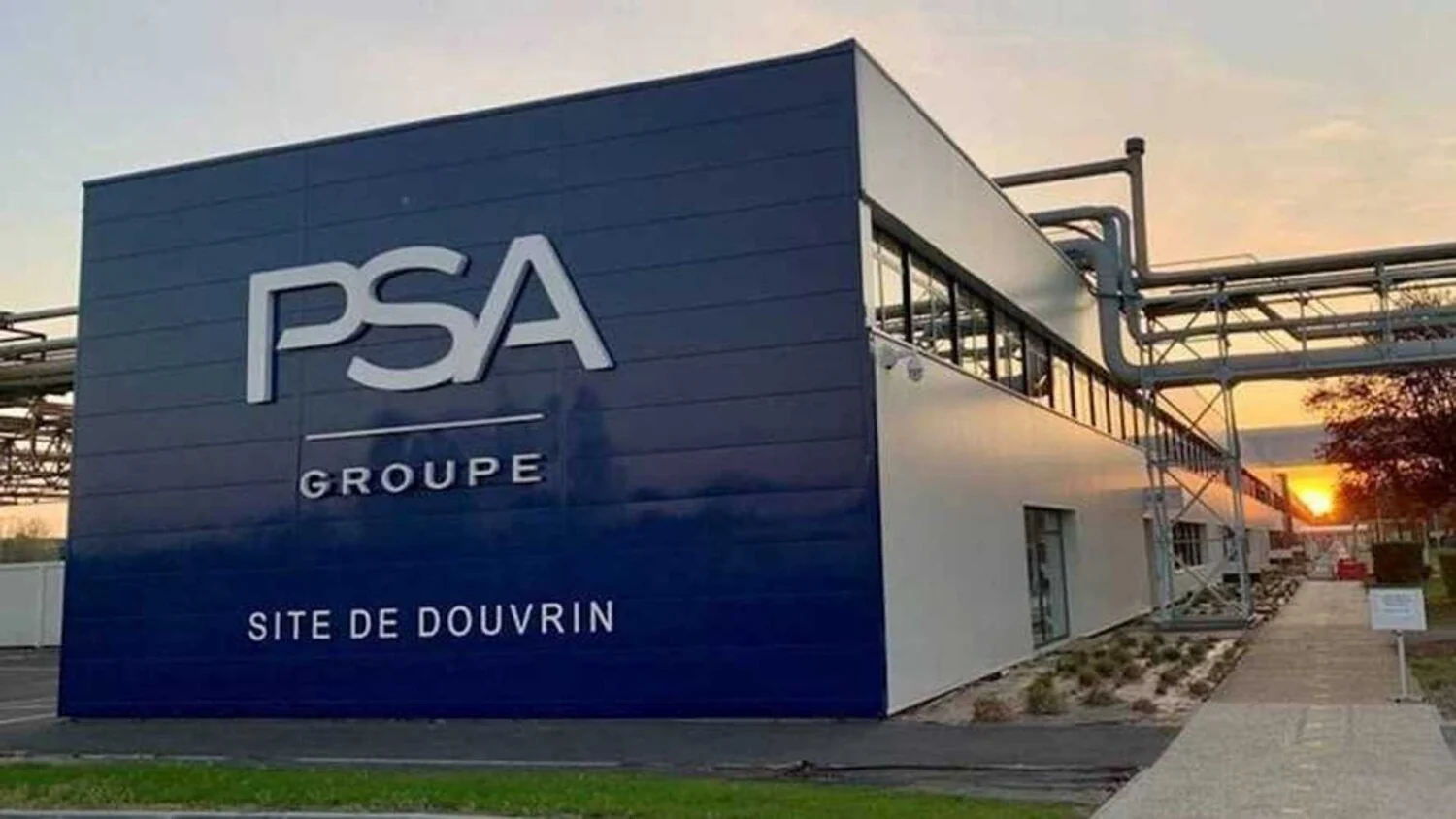
After more than fifty years in operation, the Douvrin thermal engine factory in Pas-de-Calais (62) has ceased all activity as of last Friday, October 30, 2026. Stellantis had announced the closure date during an extraordinary works council meeting in July, and this time the decision was finalized. Earlier this summer, the site had stopped assembling engines, keeping only a slim operation that machined parts for other group factories. It is this marginal production that stopped on Friday as well. Let’s remember that in 2021, Douvrin employed around 1,500 people, and the plant was still a symbol of France’s production of gasoline and diesel engines… The automaker presents this as a “transition” rather than a “rupture,” because just steps from the old plant, Automotive Cells Company (ACC), a joint venture between Stellantis, TotalEnergies, and Mercedes-Benz, opened in 2023 the first French factory for electric vehicle batteries. This gigafactory offered a natural outlet for Douvrin’s workers, especially since a dedicated training center helped them master electric-age trades. According to Stellantis, nearly 350 former Douvrin employees joined ACC, which now employs close to 2,000 people, allowing the group to claim it has kept its pledge to recreate locally the jobs tied to its activity.
A disguised relocation?
The remaining employees took different paths, laid out in an accompanying agreement signed with the unions: mobility to the Valenciennes and Hordain sites, early retirement, and mobility leave to other employers. According to the company, everyone has a professional solution. But this picture is contested, notably by the group’s CGT union, which calls it a “disguised relocation” carried out under the banner of the energy transition. Its argument rests on this observation: thermal engines aren’t disappearing and are not destined to vanish soon; their manufacture is simply being shifted to other plants, in France as well as elsewhere in Europe. The union argues that this closure is a financial choice that destroys hundreds of direct and indirect jobs in Pas-de-Calais, particularly among subcontractors and local businesses that depended on the site. Indeed, you can reassign workers and still lose a large slice of the local industrial fabric. What remains to be seen is whether the jobs created in batteries at ACC will offset in the long run what the Douvrin site represented for the lives of Pas-de-Calais residents. This industrial transformation is one many European regions will have to face in the coming years…