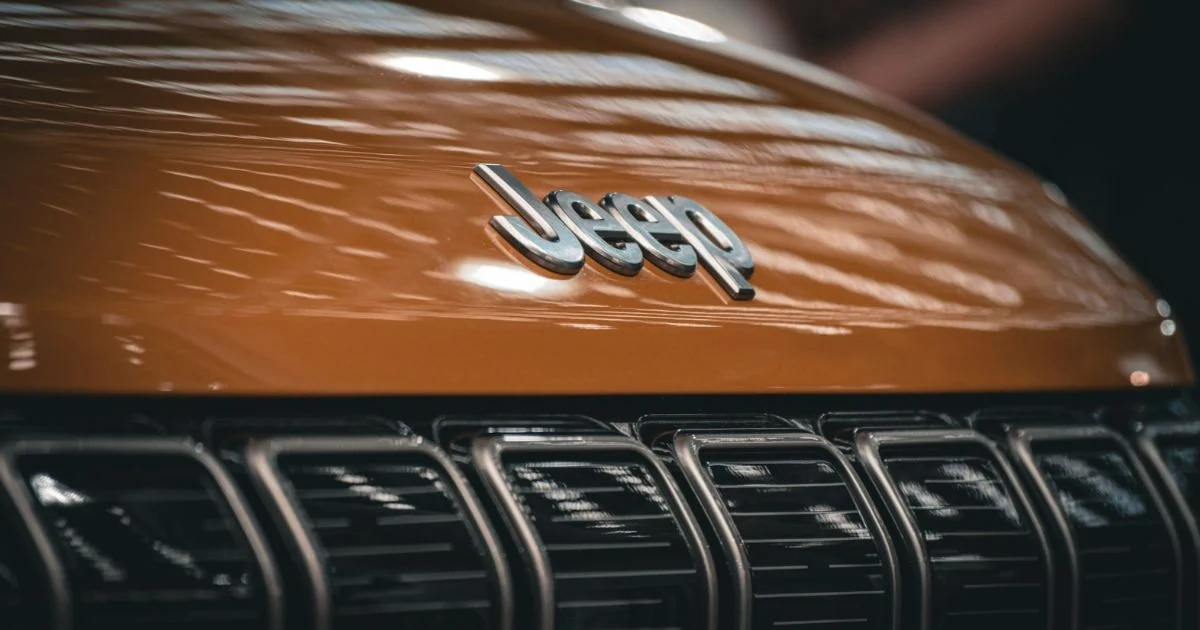
A brand-new Jeep that keeps flashing braking alerts with kids on board. And more than forty days spent in the shop. In Norway, a family man no longer trusts his nearly new SUV. After a run of malfunctions affecting the ABS, the ESP, and the braking system, confirmed by an independent report, he is seeking the outright cancellation of the sale. The Jeep dealer, for its part, refuses and points to an unexpected detail: the AI-written complaint.
At the heart of this standoff is Oleh Tsiupa, a Ukraine-born resident of Espeland, near Bergen. He lives there with his wife and their three children, aged 9, 11 and 13. In January 2025 he bought a Jeep Avenger new from the Mobile Åsane dealership for NOK 399,960, or about €35,000. The purchase was meant to secure his daily commute. Since then, the SUV has spent more than 40 days in the shop. A test by the NAF, the Norwegian automotive club, flagged a fault code linked to the servo brake. It’s the workshop’s response to his claim, drafted with the help of an artificial-intelligence tool, that is drawing attention now. It raises questions that go far beyond this single case.
A New Jeep Avenger Grounded for Over 40 Days
For Oleh Tsiupa, the car isn’t just an object. It’s the link between the family home in Espeland and his shift as a production worker at Lerøy Fossen. It’s also the everyday tool for transporting his three children. He sums up his current feelings about the braking-system faults this way: “It’s frightening to drive my family without knowing when the braking faults will reappear.” He explains to Motor that the situation clashes with the reassuring image that a new Jeep Avenger was supposed to project.
The problems began when the dashboard started displaying a series of alert messages during driving. They concerned the ABS, the ESP, the braking system and the cruise control. “Suddenly, a flood of alert messages appeared on the screen. It was terrifying, especially when you think about road safety,” he recalls. The faults appeared intermittently, coming and going. That led to repeated trips to the workshop. Technicians replaced ABS sensors, wiring harnesses, and a parking-lock actuator. When that actuator failed, the transmission locked up completely and the car became unusable. It had to be towed. He notes that this breakdown did not lead to a loaner vehicle being provided, and he says it cost him income.
A Complaint Drafted with AI That the Dealer Refuses to Review
Facing the repeated breakdowns, Oleh Tsiupa had his car checked at the Bergen Flesland center of the NAF at the end of August. The report recorded several fault codes in the electronic systems. It mentions the code C162A, related to the servo brake. The technicians could not reproduce the braking failure during the test. They recommended monitoring the warning lights and these fault codes, with restoration if needed. The owner emphasizes the unpredictable nature of these alerts. “That unpredictability is what worries me. The faults come and go, and even if the car seems normal one day, I don’t know what will happen next,” he says.
Oleh Tsiupa filed the case with Forbrukertilsynet, Norway’s consumer-protection agency. In his complaint, he requests cancellation of the contract and the refund of NOK 399,960, with the return of the car. If that fails, he seeks a discount and compensation for his losses. He explains that he offered compromises, such as an extended warranty, which the dealer refused. “They claim that the faults are repaired every time a part is replaced. But for me, it’s about not being able to trust the car anymore,” he says. The approach of winter intensifies his unease. “I have three children and I depend entirely on the car for daily life. It isn’t acceptable to live with this uncertainty when you buy a new car.” He adds, “I just want a safe and reliable car.” He says he chose to use an AI tool to draft the complaint in Norwegian. “Of course I use AI as an aid to understand nuances and to phrase my sentences correctly. I don’t speak Norwegian well, but that doesn’t mean I should lose my consumer rights,” he explains. He criticizes the dealer’s reaction: “It’s odd and unfair that Mobile rejects a complaint because of the tool I used to make myself understood. Yet the complaint is valid. Instead of addressing the actual faults and the car’s problems.” For his part, Mobile Åsane’s director, Frode Skaar-Ottesen, wrote to his client, “I’m sorry, but we will not consider AI-generated complaints. They only account for the information you provide.” When asked by journalists, he offered only a brief written reply: “We have responded to the client, and we do not comment on ongoing cases in the media. We believe the client can seek legal assistance and pursue this through the proper channels.”
Car Complaints and AI: A Tool That Worries the Pros Too
The Oleh Tsiupa case is not an isolated example in its form. In Switzerland, the AGVS‑UPSA federation notes another pattern. Customers send increasingly legalistic letters to workshops, often drafted with AI tools. Professionals sometimes find references to laws that are inaccurate or phrasing that is overly heavy. Yet the sales contract remains the baseline for resolving a dispute. In Denmark, the consumer-defense Taenk reports figures too. Up to 40% of the cases before that body now include at least one document drafted with AI. This percentage shows how deeply these tools have embedded themselves in the customer–garage relationship. Scandinavian mediators such as Finansklagenemnda or the Bilklager platform encourage motorists to use AI as a drafting aid. They also warn that AI can generate long, confusing, or factually incorrect texts.
For an American driver facing repeated breakdowns on a new car, the legal framework is different, but the stakes are similar. The general idea in the United States is that new cars come with implied warranties of merchantability and, in many states, lemon-law protections. The remedy typically involves repair or replacement within a reasonable time, often framed as thirty days in many disputes. If that remedy fails or takes too long, a consumer may seek a price reduction or cancellation of the contract. In these cases, authorities and mediators stress that the content of the complaint matters more than the drafting tool itself—whether the letter is handwritten, word-processed, or AI-assisted. The key is to document the car’s life precisely:
- date of purchase, mileage and precise identification of the vehicle;
- chronology of breakdowns, alert messages and loss of functionality;
- days immobilized, workshop invoices, and independent test reports, such as the NAF’s report in the Norwegian case.
Mediation bodies ultimately advise keeping a short, clear complaint letter, carefully reviewed by the driver, even if AI helped draft the initial version. This approach keeps the substance of the claim at the center of the discussion, and not the tool used to formulate it, as in Oleh Tsiupa’s case.