In Brief
Mercedes-Benz confirms its position by currently choosing not to embrace the Extended-Range Electric Vehicle (EREV) technology, opting instead to rely on its plug-in hybrids. According to the brand, these models already meet its customers’ needs effectively, with more than 100 km of electric range for some vehicles. Additionally, Mercedes shows a genuine commitment to coupe SUVs, a category it intends to keep in its lineup given consistently strong demand. This strategy reflects a desire to adapt to customer habits while prioritizing proven technological options.
Mercedes-Benz takes some rather distinctive stances for its upcoming models. The German manufacturer does not seem convinced by extended-range electric vehicles. By contrast, coupe SUVs still have a bright future ahead!
Mercedes Doesn’t Really Believe in Extended-Range Electric Vehicles
Mercedes does not appear inclined to follow every market trend. While several automakers are increasingly looking at electric vehicles equipped with an internal-combustion engine acting as a generator, the Star brand prefers to bet on its plug-in hybrid powertrains.
A decision that may surprise, but Mercedes justifies it by the needs of its customers. And in the meantime, the manufacturer continues to defend a category that is regularly criticized: coupe SUVs. These two directions were confirmed by Christoph Starzynski, vice president of product strategy at Mercedes-Benz, in an interview with Motor1.
For some time now, a new technology has been drawing the attention of many automakers. The EREV, for “Extended-Range Electric Vehicles.”
The principle is fairly simple. These are vehicles whose wheels are driven exclusively by electric motors, but which also have an internal-combustion engine serving as a generator. This engine can produce electricity when the battery starts to run down, thereby extending the total range.
A solution particularly interesting for drivers who want to enjoy electric driving without relying solely on charging stations. Yet, Mercedes-Benz does not appear especially interested in this technology.
Are Plug-in Hybrids Enough for the Brand?
Christoph Starzynski believes that the plug-in hybrid powertrains currently offered by the brand already meet its customers’ expectations.
He notes in particular that some Mercedes models can travel more than 100 kilometers without using their internal combustion engine. In Europe, the top versions even reach more than 124 kilometers of advertised electric range.
For the automaker, this distance is more than sufficient for the daily trips of many drivers. Moreover, these vehicles also have a gasoline engine for longer journeys and, on certain versions, DC fast charging.
Mercedes’ argument hinges mainly on customer habits. Why develop a new powertrain if the existing technologies already meet their needs?
Christoph Starzynski questions the value of dramatically increasing the electric range of a vehicle that still retains an internal combustion engine.
Coupe SUVs Still Have a Future at Mercedes
According to him, drivers who want to travel more on electricity can simply choose a 100% electric model. Those who prefer to keep an internal-combustion engine already have plug-in hybrids.
The executive acknowledges, however, that certain regions of the world show stronger demand for extended-range electric vehicles.
Mercedes therefore does not close the door completely to this technology, but does not consider it currently meeting a true demand from its own customers.
If Mercedes remains skeptical about EREVs, the company shows far more enthusiasm for coupe SUVs.
Yet their future seemed uncertain a few years ago. In 2024, rumors circulated about a possible disappearance of the GLC Coupe and GLE Coupe as part of a lineup simplification. But Mercedes now says there remains strong demand for these models.
Christoph Starzynski explains that coupe SUVs have a loyal customer base, drawn to their sportier silhouette, practicality, and on-road behavior.
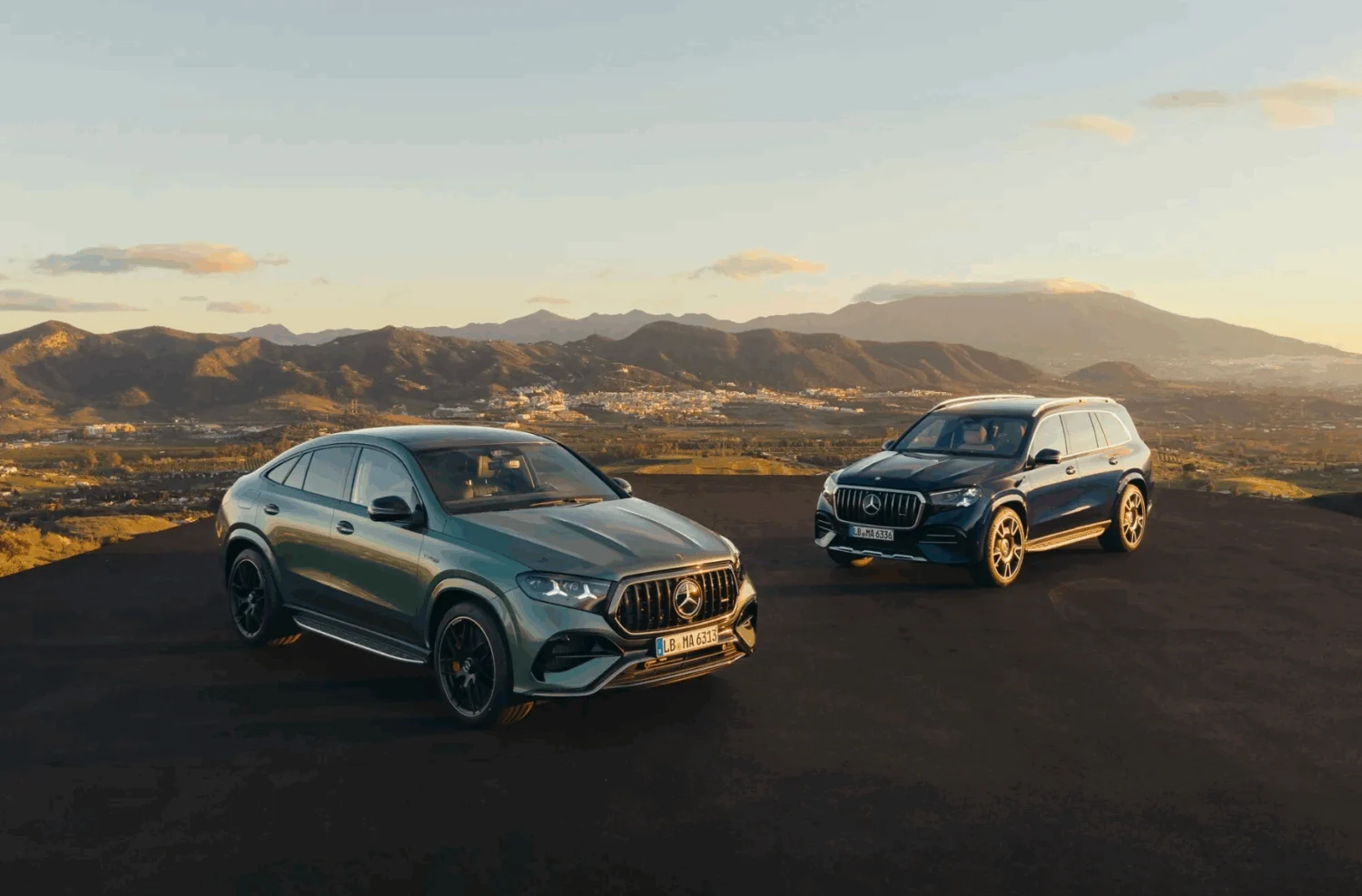
The return of the GLE Coupe for the 2027 model year further confirms this intent to keep this body style in the lineup. The range includes standard versions, as well as AMG 53 and 63 variants. By contrast, Mercedes has not yet introduced a new GLC Coupe derived from the latest SUV generation.
And the German brand is not alone in believing in this silhouette. BMW, Audi, Genesis, and Porsche also offer coupe-like SUVs. Not all automakers share this strategy, however. Volkswagen has ceased ID.5 production in Europe.
Mercedes thus seems to have made its choice. For now, there is no plan to multiply powertrain technologies if current solutions meet expectations. But when it comes to coupe SUVs, the Star brand does not appear ready to turn the page.
Comparison Table
| Mercedes Plug-in Hybrid Model | Electric Range Announced (miles) |
|---|---|
| Some versions – Europe | over 77 |
| Other models | over 62 |
Key Takeaways
- Mercedes-Benz does not plan to adopt extended-range electric vehicle (EREV) technology in the near term.
- The brand is betting on plug-in hybrids, with some models offering more than 100 km of electric range, and over 124 km (roughly 77 miles) in Europe.
- Mercedes considers these solutions fully sufficient for the daily needs of its customers.
- The manufacturer confirms its commitment to coupe SUVs thanks to loyal demand.
- The return of the GLE Coupe for 2027 demonstrates the intention to keep this body style in the lineup.
- Mercedes remains attentive to evolving expectations in other markets for EREV.
FAQ
Why doesn’t Mercedes offer extended-range electric vehicles?
Mercedes prefers to focus on plug-in hybrids, believing this technology already meets its customers’ needs.
What range can Mercedes plug-in hybrids deliver?
Some Mercedes models offer more than 100 km of electric range, and the best European versions exceed 124 km (about 77 miles).
Will coupe SUVs disappear from the Mercedes lineup?
No, Mercedes confirms it will keep coupe SUVs in response to strong and loyal demand for these models.
Why does the brand place so much emphasis on coupe SUVs?
According to Mercedes, coupe SUVs appeal with their sportier styling, practicality, and on-road dynamics.
Does Mercedes plan to broaden its EREV lineup?
The brand isn’t shutting the door on this technology but does not consider there to be a real customer demand at present.