The roar of a motor is enough to turn every head in Lyon’s auction house. Facing a heavyweight sedan, Mehdi begins to dream out loud. “We’re going to blow through the nest egg, and that’s that”, the young man jokes as he tries his luck with these cars, unlike any others, confiding in the microphone of TF1. The sedan is valued at €110,000 and is listed with a starting bid of €40,000, a discount that suddenly makes the dream feel a bit more within reach.
On Thursday, October 2, 2025, the Lyon Court of Appeal is hosting a sale that’s not quite ordinary. Cars, jewelry, handbags, and luxury watches seized by the justice system are up for public auction. In total, a little over 200 items, including about thirty luxury cars, are offered to the highest bidder. They stem directly from court dossiers and tell another road story, one that begins far away from this auction hall. It’s the kind of event that makes bargain hunters salivate, while also prompting questions about the origin of these vehicles seized by the justice system in Lyon.
In Lyon, seized cars go for rock-bottom prices
“The starting price for all goods has been set at 1 million euros, and we hope to double it”. Hélène Hamwi, head of Lyon’s branch of the Agency for the Management and Recovery of Seized and Confiscated Assets, keeps a close eye on the sale on behalf of the State. This public agency, the AGRASC, is tasked with managing and reselling criminal assets seized by the courts. The money raised goes into the state coffers and is used to compensate victims of cases underlying the seizures; a portion is redirected to the fight against trafficking and to general-interest projects. Last year, these kinds of sales generated 17 million euros nationwide, a figure that underscores the financial heft of these auctions. In the crowd, a potential buyer sums up what many are thinking: “At least the proceeds from this sale could help people who’ve been wronged or robbed.”
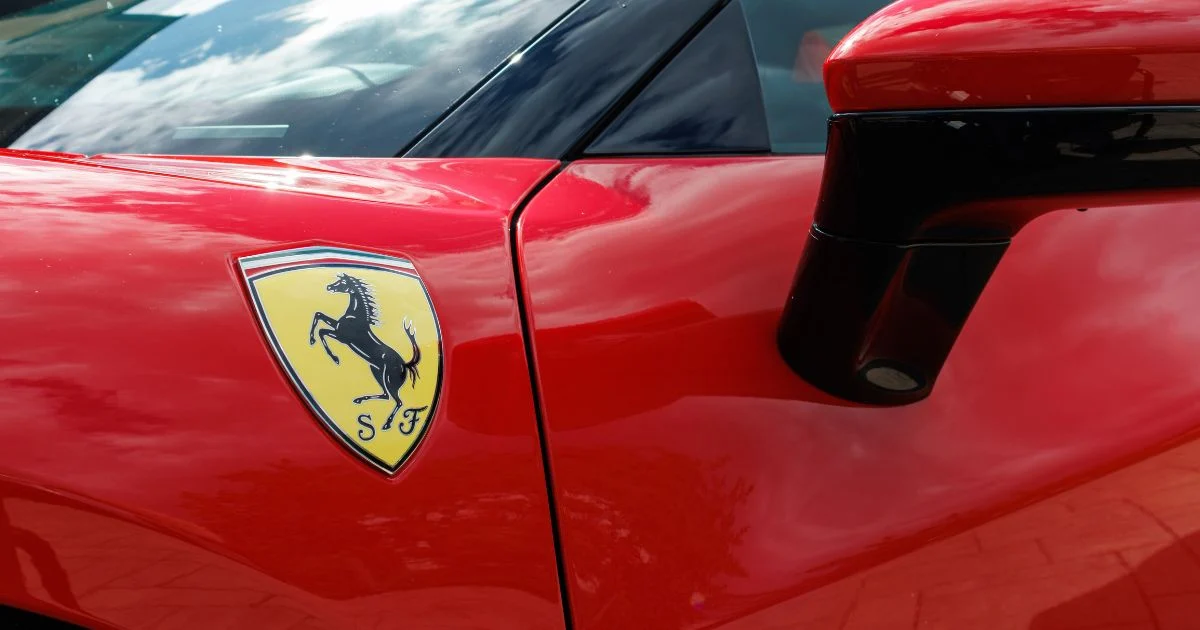
Across the rows of the Court of Appeal, eyes fall especially on the cars. A lineup of about thirty luxury vehicles—big German sedans, premium SUVs, sport cars that bring back the posters from a teenager’s bedroom—fill the room. The large sedan, estimated at €110,000 and starting at €40,000, already has Mehdi dreaming. A visitor, asked about another car, sighs and admit, almost shyly: “Yes, it’s a dream.” Everyone knows those discounts are just a starting point. The catalog places the most spectacular models beside more traditional cars, and even some unexpected items. The most expensive item in the sale isn’t a hypercar but a hulking lifting gantry. “It’s not as glamorous as a Ferrari,” smiles auctioneer Christophe Belleville as he points to it. The starting price hovers around €120,000, “but it’s an object that could easily go for around €200,000”, notes the auctioneer from Actalliance. It’s a stark contrast that’s part of the backdrop of these unusual sales.
Ill-gotten assets change hands and lure the bargain hunters
Behind every key placed on the auction table lies a judicial file. Me Christophe Belleville willingly reminds those who ask about the origin of these lots: “These can be administrative offenses like violations of the road code, and of course, more troubling cases such as drug trafficking. But all these assets here are what we call ill-gotten goods—bought or financed with dirty money.” High-end cars, jewelry, bags, and watches were seized as part of investigations into trafficking, fraud, or serious offenses. Once court decisions are issued, the AGRASC entrusts the sale to judicial auctioneers such as Actalliance. The idea is simple: resell quickly to prevent the assets from depreciating while sitting in a hangar or impound lot. These sales are public, open to all adults, subject to registration and the rules governing judicial auctions.
For buyers, the lure is clear: access cars that are often out of reach on the standard market, with discounts that can approach 30 to 40 percent off market value in some Lyon auctions, such as the 2022 Bourse Palace sale where a Chevrolet Corvette went for €21,200. In the hall, profiles mix—passionate enthusiasts ready to “blow through the nest egg,” automobile professionals looking to replenish stock, and curious spectators drawn to the clanging of the hammers. Yet the automotive lots remain distinctive acquisitions: sometimes with incomplete histories, long periods of immobilization, sales without warranty, and buyer’s fees that typically hover around 10 to 18 percent of the hammer price. For a seasoned enthusiast capable of judging a car’s real condition and planning a potential revival, Lyon’s seized-car sales can open a doorway to prestige models. For a more conventional driver, who primarily seeks a reliable, no-surprise daily ride, each strike of the hammer serves as a reminder that a good deal always sits at the edge between a bargain and the risk you’re willing to assume.