In Brief
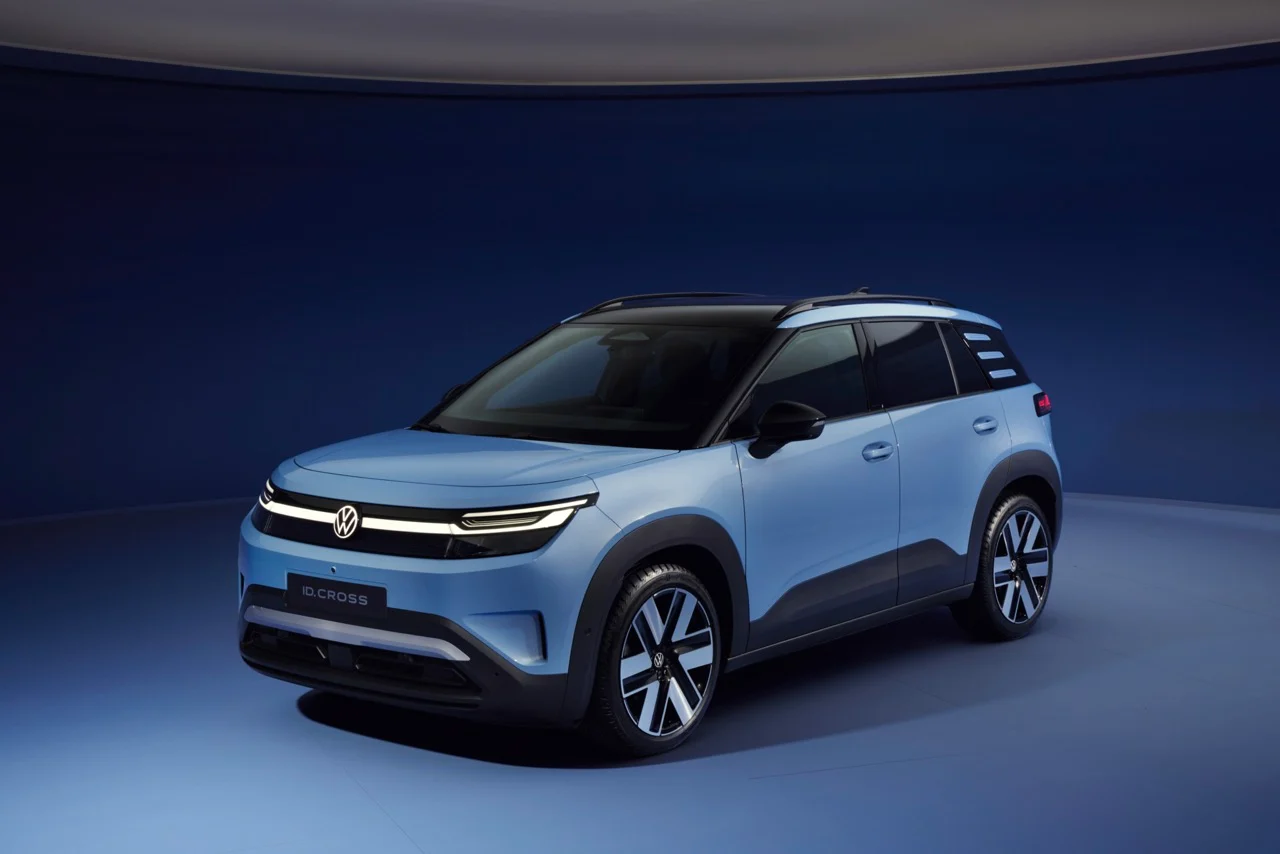
The Volkswagen ID. Cross broadens its lineup with a new version featuring a 37 kWh LFP battery, offered from €27,995. This highly competitive starting price makes the urban electric SUV more accessible, especially against the competition. Two powertrains are available: 116 or 135 horsepower, both delivering up to 316 km of range. For buyers seeking more range and power, the 52 kWh battery version with a 211 hp motor is available for an additional €4,900, delivering up to 426 km of range and a government incentive (CEE) depending on income.
The lineup of the new Volkswagen ID. Cross expands with a new variant. Announced at the model’s unveiling, the order books for the 37 kWh small-battery version were opened later than the 52 kWh NMC-equipped model. The entry price for the Volkswagen ID. Cross lineup drops by nearly €10,000.
A Sticker Price Just Under €28,000
Volkswagen has been extremely aggressive in the electric-vehicle market, and it was about time. Following the Volkswagen ID. Polo, as well as its cousins Skoda Epiq and Cupra Raval, it’s now the ID. Cross’s turn to debut. After showcasing it to the French public at the Paris Motor Show in its top-end 52 kWh battery configuration, the 37 kWh versions arrive in the catalog, with an enticing price tag.
Indeed, the base Trend version is listed at €27,995 with the 116-horsepower motor and the 37 kWh battery. That’s €2,000 less than the entry Renault 4 E-Tech with its 40 kWh battery. The 37 kWh battery provides up to 316 km of range (about 196 miles).
For €32,900, the Volkswagen ID. Cross moves to the Life trim, with a 135-horsepower motor, but still using the 37 kWh LFP battery. The range remains the same; the real gain lies in the equipment, which is more generous.
Whether paired with the 116 hp or 135 hp motor, the onboard AC charger delivers 11 kW and enables bidirectional charging. The DC fast charging supports up to 88 kW, taking you from 10% to 80% in 23 minutes.
About a €5,000 Gap to the Big Battery
Plan on €4,900 more to access the version equipped with the larger 52 kWh NMC battery, delivering up to 426 km of range. This represents a meaningful difference in versatility, especially if you regularly take long highway trips. Moreover, this version features a 211-horsepower engine and 290 Nm of torque, significantly boosting performance.
This version should be favored whenever possible to fully enjoy the benefits of Volkswagen Group’s new MEB+ platform. Additionally, with production in Spain, it qualifies for a CEE incentive ranging from €3,535 to €6,145 depending on income. The ID. Cross is therefore available to customers for under €25,000 after incentives.
Comparison Table
| Version | Battery (kWh) | Motor (hp) | Range (km) | Price (€) | DC Fast Charge (kW) |
|---|---|---|---|---|---|
| Trend | 37 | 116 | 316 | 27 995 | 88 |
| Life | 37 | 135 | 316 | 32 900 | 88 |
| — | 52 | 211 | 426 | 37 800 | — |
Key Points to Remember
- The Volkswagen ID. Cross is available from €27,995 with the 37 kWh battery (about $30,000).
- Two powertrains are offered: 116 and 135 horsepower.
- The 37 kWh version offers up to roughly 316 km (about 196 miles) of range.
- The Life trim adds more equipment for €32,900.
- The 52 kWh version (211 hp, 426 km of range) costs €4,900 more.
- DC fast charging accepts up to 88 kW, taking 10% to 80% in about 23 minutes.
- The model is eligible for a CEE incentive, subject to income.
FAQ
What is the base price of the Volkswagen ID. Cross with the small battery?
The ID. Cross with the 37 kWh battery starts at €27,995 in the Trend trim (roughly $30,000).
What range does the 37 kWh version offer?
The 37 kWh-equipped version offers up to 316 km (about 196 miles) of range.
What power outputs are available on the 37 kWh ID. Cross?
There is a 116-horsepower option in the Trend trim and a 135-horsepower option in the Life trim.
How much does the large-battery version of the Volkswagen ID. Cross cost?
The 52 kWh version costs about €4,900 more than the 37 kWh version (roughly $5,300).
What is the DC fast-charging power for the ID. Cross?
DC fast charging accepts up to 88 kW, enabling a 10%–80% fill in about 23 minutes.