As any true Formula 1 aficionado knows, this is a sport where mystique matters almost as much as, or even more than, what unfolds on the track. Some would say that everything, or at least most of it, is pure cosmetics. A maxim that brands themselves don’t escape, a notion the press, fans, and the organization often embellish with a more glamorous label than the paddock itself.
There, to give an example, Renault doesn’t really exist as such. At most we would be talking about the ‘Enstone team’. And it is precisely because almost all the major manufacturers with their imposing names that now roam Formula 1 have a past, sometimes as a small back-alley operation or, on other occasions, simply being a competing marque.
Mercedes Seized BrawnGP to Enter Formula 1

To illustrate these fluctuations better than any other example, consider the dominators of the hybrid era for a number of years: Mercedes. The origins of the team now representing Germany go back to 1970, when Tyrrell burst onto the Formula 1 scene. The British constructor arrived with intent and captured two world championships in 1971 and 1973 with Jackie Stewart.
After that, they remained in the sport until 1998, gradually posting worse results, until they finally sold their place to BAR. Following the British American Racing collaboration with Honda, the Japanese retained the outfit to build their own team, which lasted three seasons with initial success and a disastrous end.
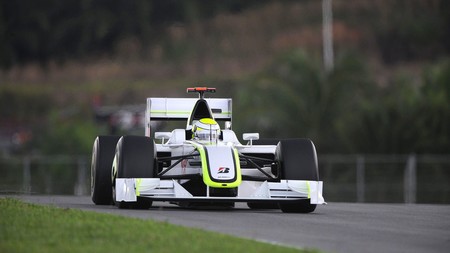
So great was the disappointment that they left Formula 1 without giving the car they had crafted for 2009 even a chance. Ross Brawn bought the outfit for one euro, installed Mercedes engines in its chassis, gave the team its own name, and claimed both world titles with those memorable and charismatic Brawn GP machines.
That is where Mercedes entered the scene to buy into the favorable deal that was Brawn GP and to set up their own team in Brackley, where the outfit had been based since the days of BAR and Honda. From its inception in 1970, the Brackley squad has amassed a total of 10 drivers’ titles, the last one with Hamilton in 2020.
Renault Is the Enstone Team
Another notable case is the so-called ‘Enstone team’, as Renault is known in the paddock. The French manufacturer is famous in Formula 1 for its constant comings and goings within the category. Sometimes entering as a constructor, then suddenly exiting completely, later returning only as an engine supplier, then coming back to build its own car again… It is Renault’s usual cycle.
The origins of the current Renault structure based in Enstone trace back to 1981, when Toleman, Ayrton Senna’s first F1 team, entered Formula 1. Interestingly, Renault was competing at the time too, with considerable success. It may sound like a tongue-twister, but it isn’t. The diamond-shaped brand left F1 in 1985, while Toleman fell into Benetton’s hands.
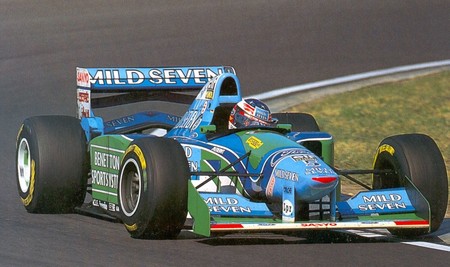
The Benetton outfit enjoyed significant success in Formula 1, reaching its zenith in 1994 when they won the world championship with Michael Schumacher and Ford engines. In the following season Renault returned to the sport powering Benetton, repeating the champions’ title with Schumacher and sowing the seed for a flourishing Enstone-based venture that would prove highly fruitful.
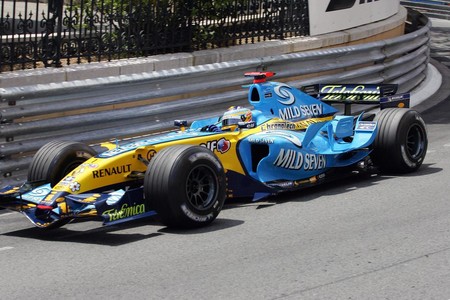
After a few more ups and downs, in 2002 Renault definitively took Benetton, began developing its own chassis, and kicked off what would become the most golden era in the company’s Formula 1 history,
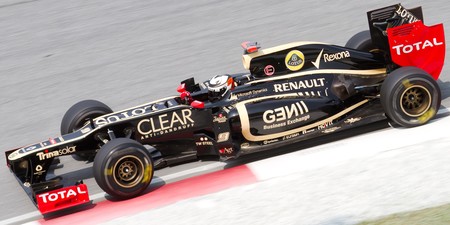
Renault returned to leave Formula 1 in 2011, though it left Lotus warming seat. In fact, the French lent their engines to the team. Lotus helped refresh Enstone’s structure, purge its vices, and steer them back toward victory with Kimi Raikkonen as they contended for the 2012 title.
After that, Renault re-entered in full force in 2015, launching a new project that never fully clicked, ultimately evolving into the arrival of Alpine in 2021, where Renault engines are no longer used as Mercedes powertrains.
Sauber Gave BMW Structure and Now Alfa Romeo
Hinwil, a small Swiss town with about 10,000 inhabitants, is another hotspot where Formula 1 giants have concentrated their operations. That is where Sauber began its journey back in 1993, a modest outfit driven by a dreamer like Peter Sauber, and which never approached victory-level competition.
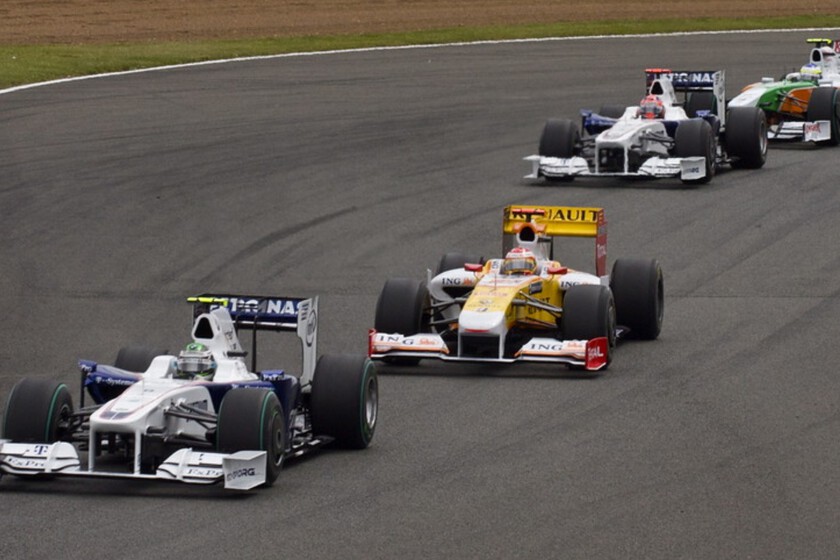
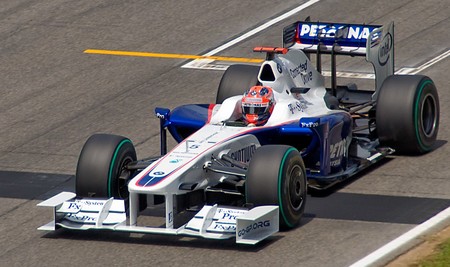
Nevertheless the team’s solidity attracted a major constructor in 2006: BMW. The Germans were tired of sharing a team with Williams and decided to go independent by purchasing Sauber. It was a short-lived alliance, lasting only four years before BMW chose to withdraw from Formula 1 in 2009, as Honda and Toyota had done before them.
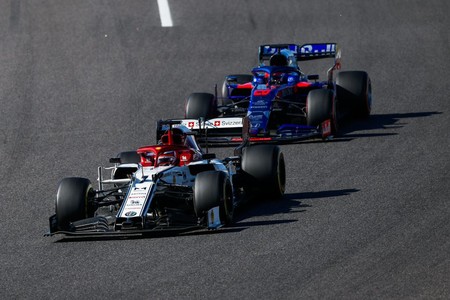
Perhaps it was a period defined by a decisive move: pausing the 2008 car’s development just as Robert Kubica had won the Canadian Grand Prix and led the Formula 1 World Championship. The efforts aimed at 2009 did not pay off, and BMW departed. Yet Sauber refused to give up on its dream, retained the team, and continued competing, with Pedro de la Rosa as a driver.
In this second Sauber phase on its own, the best results arrived, leaving behind the BMW era. Sergio Pérez came close to winning in Malaysia in 2012, but the hybrid era proved challenging for Sauber. Alfa Romeo took ownership of the Hinwil outfit, causing the Sauber name to disappear from the team’s title for the first time.
Today Hinwil is the official outfit for Audi with its own engines, manufactured in Germany but cars prepared at the historic Sauber facility.
The Spirits of Jaguar, Jordan, and Minardi Remain on the Grid
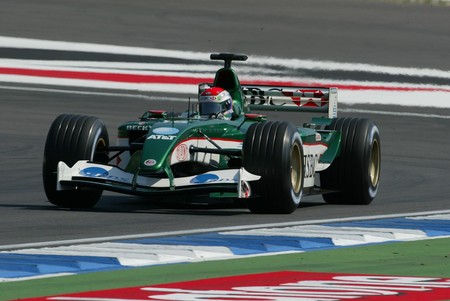
The Red Bull teams are another example of outfits that leveraged an earlier structure to launch their Formula 1 venture. The parent squad of the energy drink company entered the sport in 2005 by purchasing Jaguar, which, in turn, had acquired Stewart GP in 2000.
In the eight years preceding Red Bull’s takeover, the predecessor structure managed only a single win, Johnny Herbert’s at Nürburgring in 1999, considered one of the most surprising victories in history. Jaguar tried everything: from recruiting stars like Eddie Irvine to betting on promises such as De la Rosa or Mark Webber, but only produced two podiums in five years.
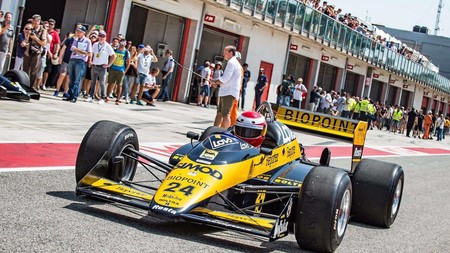
With Red Bull’s arrival, everything changed. The Austrians faced a tough start, but they capitalized on the 2009 regulation shift and the signing of Sebastian Vettel to begin a golden era, crowned by four world titles and dominance in the Max Verstappen era with four more world championships.
Those who didn’t have to wait for the 2009 rule changes to win were their subsidiary, Toro Rosso, which debuted in F1 even before the parent team. In 2006 Red Bull decided to buy a historic late-grid team, Minardi, to build their satellite structure, in true MotoGP fashion.
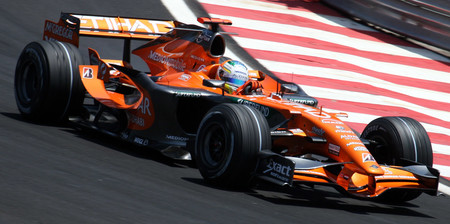
But Toro Rosso ended up winning its first race before Red Bull did. Vettel achieved it at the Italian Grand Prix in 2008, another of the most unexpected victories in history, and one that tasted especially sweet for Formula 1 fans because the spirit of the charismatic Minardi lived on in that epic.
The other grid team with origins in earlier structures is Racing Point. The pink-lit outfit of Formula 1 began as Force India, but before that it housed the thwarted Midland and Spyker projects and the legendary Jordan team, which even managed to win four races in Formula 1 and at times stood shoulder to shoulder with the giants.
Today it is the Aston Martin team since 2021, where Fernando Alonso is reviving Honda’s old nightmare.
By the way, Minardi, Toro Rosso, AlphaTauri, RB, Racing Bulls… All of them were part of Faenza, a team that has changed its name several times.
The Big Three and Haas, the Only Ones Who Have Not Changed
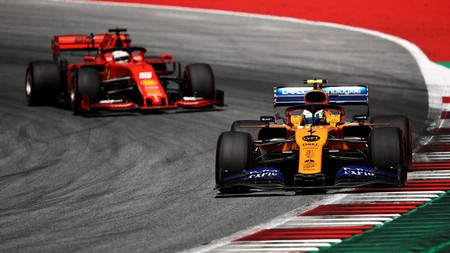
Yet there are also teams that have remained unchanged since their inception. The epitome of this is Ferrari, which has stayed unmoved in the category since 1950, making it the most decorated outfit in Formula 1 history. Fifteen drivers’ titles and sixteen constructors’ titles for the one constant in the sport.
Nor have the other two historic giants of the category endured changes since their foundation, McLaren and Williams. Although in Williams’ case, there was a fork in the 70s since Williams’ first two seasons involved buying Iso and then selling that structure to Walter Wolf and starting from scratch with their own creation in 1978. The Williams family departed the project in 2020.
McLaren has been back in the saddle and seized the throne in 2025 with Lando Norris. The first drivers’ title for McLaren after 17 years, and with two constructors’ titles in 2024 and 2025.
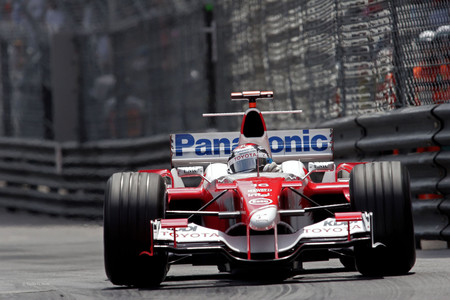
There is a fourth team in the current grid that has not mutated at all. It is Haas, the American outfit that chose the hardest path and started from scratch in Formula 1, albeit with strong support from Ferrari. Since then, Haas has established itself as a midfield team in Formula 1.
It was the same path Toyota took in its day. The Japanese arrived with big enthusiasm, starting from zero in 2002, but the venture proved fruitless. Toyota withdrew from Formula 1 in 2009 and, despite all the mystique surrounding its 2010 car, no one ended up buying it, as Stefan GP never participated.
What many have used, including Ferrari and McLaren, is the wind tunnel Toyota left behind in Cologne. Toyota also planted its seed in Formula 1.
Cadillac has also started from scratch, arriving in 2026 to complete a grid of 11 teams for the first time since 2014, with Sergio Pérez and Valtteri Bottas, using Ferrari engines until GM develops its own.