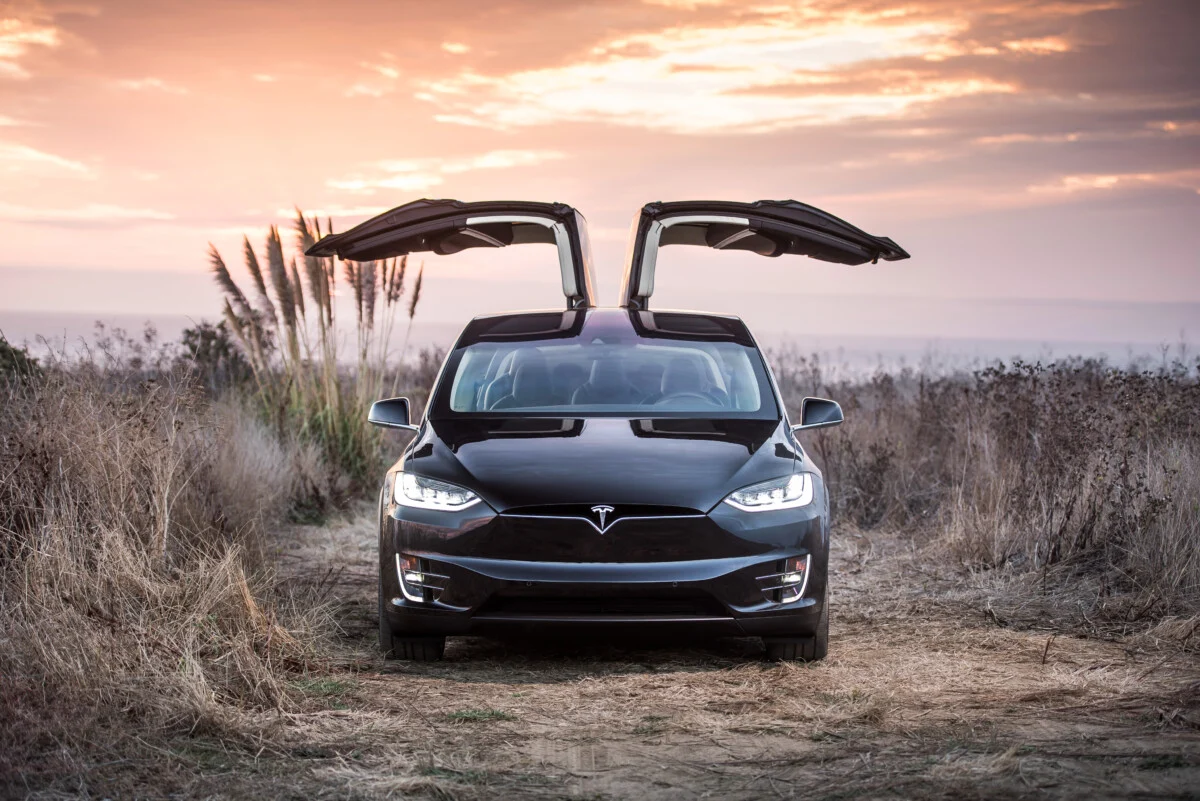
Picture an electric SUV sitting at a red light, and suddenly it surges forward with no one pressing the accelerator. That’s the scenario a Washington family describes from aboard a 2023 Tesla Model X. Since the crash, they have brought a Nguyen v. Tesla lawsuit for sudden acceleration and a malfunctioning driver‑assist system. At the core of the dispute is a simple question: who was really in control of the pedal—the driver or the car?
The incident dates back to June 29, 2023, in Kirkland, Washington. Behind the wheel was Linh Nguyen, with his 14‑year‑old daughter beside him, their Model X halted at an intersection. The complaint filed in Nguyen v. Tesla contends the SUV shot forward into the crosswalk. Surrounding this narrative, another question emerges: what role did the software Autopilot, or the Full Self‑Driving option play? And crucially, what data did the car record before impact, data that only the manufacturer currently holds?
Kirkland Accident: what the family accuses the Tesla Model X of
According to the complaint, Linh Nguyen’s Tesla Model X was stopped at a red light in Kirkland. The intersection specified is 144th Street Northeast and 124th Avenue Northeast. Without warning, the SUV reportedly accelerated violently from a standstill and ran the red light. It then struck a curb, severely damaging the tires, with no other vehicle involved.
The complaint cites injuries to Linh Nguyen’s neck, back, knees, shoulder, and the left side of his body. It also notes dizziness and confusion after the crash. His daughter, then 14 years old, is described as injured and suffering from severe emotional distress. The family seeks compensation from Tesla for medical care and other damages tied to the incident. The plaintiffs attribute fault to the on‑board driver‑assist system, arguing that it failed to keep the car stopped at the red light and would have prevented the driver from regaining control through braking or steering. The case is being heard in a federal court in Washington State. At this time, the public docket does not disclose the company’s official position on the allegations.
Autopilot, FSD and sudden acceleration: key investigations and data
At the heart of the case lies a lingering question: was the system in question the standard Autopilot or the optional Full Self‑Driving package? Linh Nguyen says he paid $15,000 for the driving‑assist package for the SUV. By contrast, Autopilot comes standard on Teslas. That price tag aligns more closely with the Full Self‑Driving option, which fuels questions about which software is implicated. These cases feed into ongoing American debates about sudden unintended acceleration. The federal agency NHTSA has reviewed 118 reported incidents, relying on data recorded at the moments of impact. In crashes where data were available, investigators concluded that the driver had pressed the wrong pedal. They found no evidence of a vehicle defect or braking failure in those instances. A later petition called for a recall of all Teslas accused of accelerating on their own. The agency says it examined more than 200 additional incidents without changing that conclusion. Separately, the NTSB probed a fatal 2018 Model X crash in California. Investigators concluded that Autopilot had steered the SUV toward a highway safety barrier. They also highlighted the driver’s lack of a timely response to warnings. That high‑speed scenario, however, differs from the abrupt acceleration described at Kirkland, which began from a stop at a red light.
Tesla’s advanced driver‑assist software is also the subject of a separate inquiry. It centers on red‑light violations by vehicles equipped with Full Self‑Driving, sometimes referred to as FSD Supervised. Opened on October 7, 2025 under reference PE25012, the investigation covers roughly 2,882,566 Teslas. The documents reference 58 incidents, 14 crashes, and 23 injuries. Some cases describe a vehicle continuing into an intersection after a complete stop at a red light. Even with this scrutiny, the FSD package remains legally a Level 2 system. The human in the driver’s seat is always considered the operator, even when the car manages speed and steering. Across these matters, one element looms large: the vehicle’s logbooks. They capture pedal position, brake engagement, speed, steering angle, and the status of the driver‑assist systems. These data remain under Tesla’s control, typically accessible only at the request of investigators or courts. In the Kirkland Model X case, these digital records should help separate human error from a software fault. The ongoing question for all drivers remains: would we truly let a car decide to run a red light on its own?