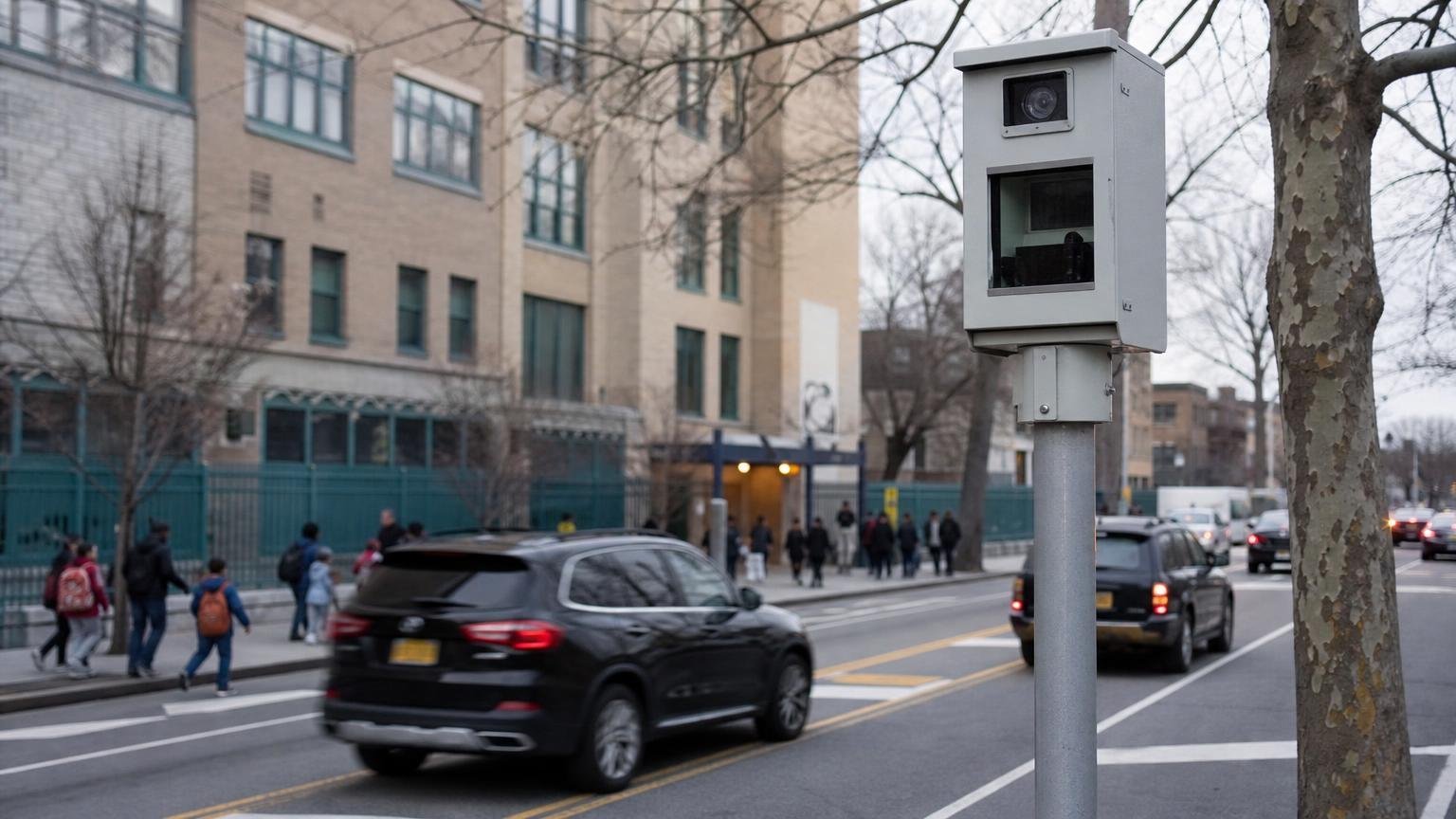
New Yorkers now live with a new rhythm on their streets: school‑zone speed cameras that never sleep. The shift to around‑the‑clock enforcement has reshaped late‑night driving, early‑morning commutes, and weekend cruising, with a steady message pulsing through every borough: slow down. “It’s simple,” say safety advocates. “When drivers respect the limit, kids get to school and home in one piece.”
How 24/7 enforcement actually works
The system is straightforward: if you exceed the posted speed limit by more than a set threshold, a camera logs your plate and a notice is mailed to the vehicle’s owner. The penalty is civil, not criminal, and does not add points to a personal license, but it still stings. What’s new is the clock—no more off‑hours, no more safe windows for risky speeding.
Cameras are placed in school‑zone networks across neighborhoods, frequently on wide arterials where traffic can surge and visibility changes with weather and time of day. The city says the goal is deterrence, not punishment: reduce top‑end speed, reduce harm.
Where they flash the most, borough by borough
Patterns emerge when you look at geography, street design, and late‑hour traffic. The most active zones are often long, straight corridors near large schools, athletic fields, and major transit hubs—places where impatient drivers meet pedestrian crowds.
In broad strokes, the heaviest activity tends to cluster like this: Brooklyn, Queens, The Bronx, Manhattan, and Staten Island. That order reflects lane widths, driver volumes, and the prevalence of fast arterials. Brooklyn and Queens combine sprawling grids with highway‑like avenues; the Bronx channels high‑speed links between bridges and parkways; Manhattan’s congestion naturally damps top‑end speed, but certain north‑south corridors still spike; Staten Island sees fewer flashes overall but sharp bursts on wide, driver‑forgiving roads.
“Cameras don’t care who you are,” goes a common refrain among enforcement pros. “They care how fast you’re going.”
The impact on safety and behavior
Speed is physics: a small increase in mph can mean a large increase in force. That’s why the city leaned into continuous operation, especially in hours when empty roads tempt risky behavior. At camera locations, officials report substantial drops in speeding, fewer severe crashes, and steadier compliance over time. The effect isn’t magic—it’s predictability. Drivers learn that every hour is a school‑hour when it comes to speed near schools.
Residents notice the difference. “It used to feel like a drag strip after midnight,” says one neighbor near a big campus. “Now I hear fewer screeches, see fewer close calls.”
What drivers should know
If you’re behind the wheel, a few basics go a long way:
- The cameras run all day, all night, including weekends and holidays. Expect consistent enforcement.
- Tickets are mailed to the registered owner and are a flat civil fine; no license points.
- The trigger is exceeding the posted limit by more than a threshold; signage and limits are legally posted.
- Payment and contest options are available online; deadlines and late fees are clearly listed.
- The cheapest ticket is the one you never earn—lift your foot, build a buffer, and watch for kids.
Why some places light up more than others
Street design matters. A wide, straight, over‑built roadway practically whispers, “Go faster.” Add long signal spacing, light late‑night traffic, or distant crosswalks, and speeds climb. Pair that with clusters of schools—elementary by day, sports by evening—and you get round‑the‑clock pedestrian activity. That’s the anatomy of a frequent flash.
Local context compounds the effect. Bridge approaches in the Bronx, highway‑adjacent avenues in Queens, and multi‑lane corridors in Brooklyn attract higher top speeds. Manhattan’s density suppresses raw velocity, but targeted corridors still see habitual late‑night surges. Staten Island’s fewer cameras mean fewer total flashes, yet the risk concentrates on a handful of fast arterials.
The debate: safety, fairness, and trust
Not everyone cheers the cameras. Some drivers argue it’s stealthy taxation, not safety, and question whether placements reflect need or revenue. Privacy advocates raise civil‑liberties concerns about constant monitoring. Equity voices ask if tickets fall hardest on lower‑income, car‑dependent households, and whether streets in those areas get the same design upgrades that prevent speeding in the first place.
Supporters counter with a blunt truth: speed is the top factor in crash severity, and consistent enforcement changes behavior. “The fastest way to save a life is to slow a car,” they say, urging the city to pair cameras with redesigns—narrower lanes, raised crosswalks, daylighting, and better lighting.
The road ahead
Cameras alone won’t fix a dangerous street. They buy time and discipline while engineering catches up. The next wave is about calibrated design: slower geometries, protected space for people walking and biking, and signal timing that rewards legal speed. Data should keep steering the program—publishing locations, violations, and outcomes—so residents can see problems shrinking and safety growing.
If you drive, the playbook is simple: know the limit, leave a buffer, and expect school‑zone standards at all hours. If you walk, bike, or roll, keep advocating for calmer streets. And if you’re wondering why that tiny white box blinked at 2:13 a.m., the message is the same at 2:13 p.m.: someone nearby needs you to get there alive.