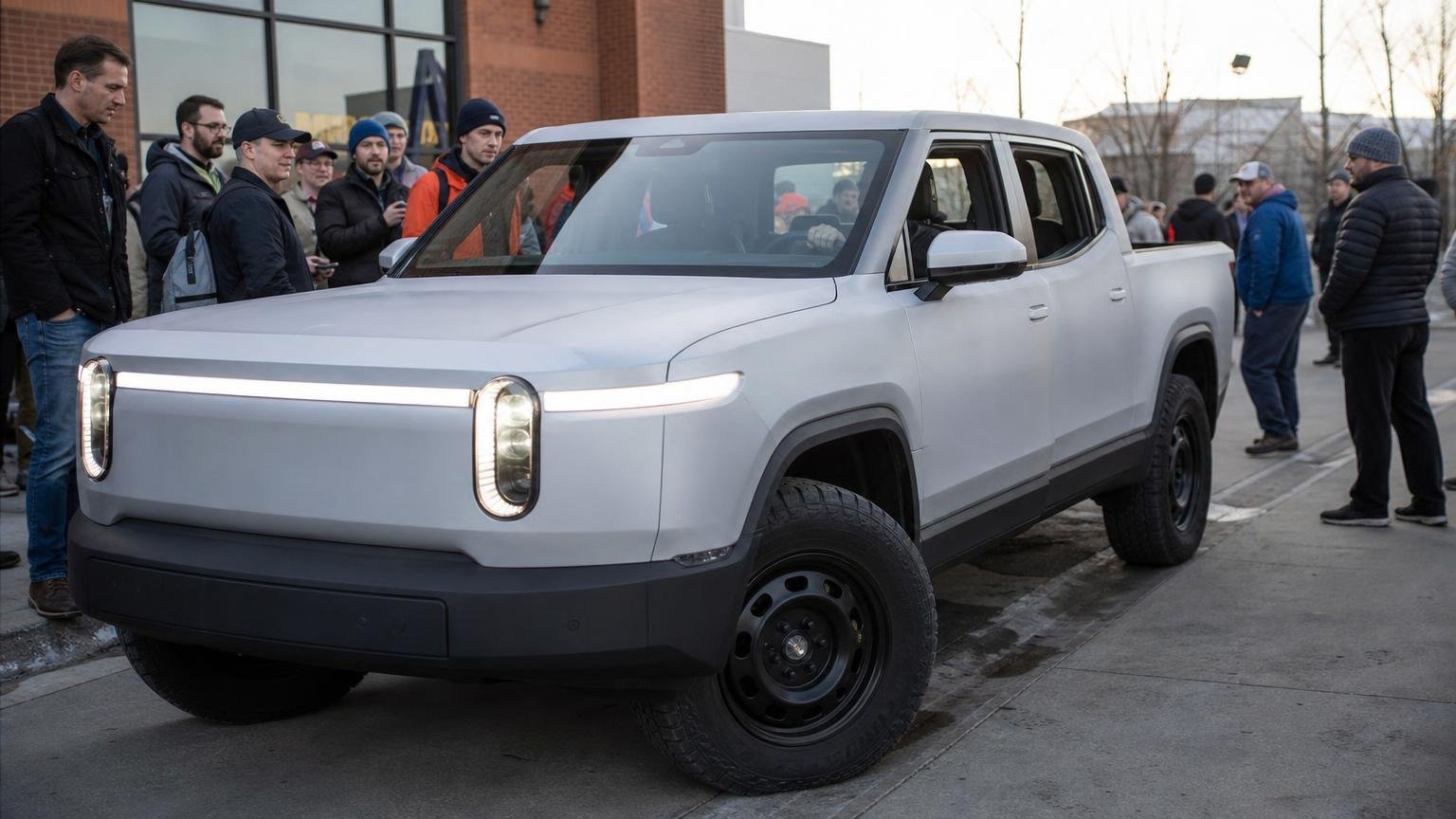
The internet did a double take. A no-frills, twenty‑grand electric pickup blew past six‑figure reservations in under 48 hours, and the discourse hasn’t cooled since. The hook is obvious: a work‑ready, wallet‑friendly EV that ditches the gimmicks and leans into utility. The deeper story is bigger than one truck. It’s about demand that’s been pent‑up, priced‑out, and now suddenly feels seen.
The price that flips the script
A sticker under $20,000 is more than a number; it’s a threshold, a cultural green light for drivers who kept saying, “Wake me when an EV is affordable.” As one refrain put it, “Price changes everything.”
This isn’t about loading up on luxury, it’s about de‑risking the leap to electrons. A truck that starts cheap, scales with simple options, and keeps monthly costs predictable is a permission slip for first‑time EV owners. If there’s a playbook here, it’s volume, value, and patience—exactly the opposite of splashy six‑figure launches that wow and stall.
A different kind of truck
Think compact footprint, big‑enough bed, and unapologetically practical choices. Fewer screens, more knobs. Durable vinyl, hose‑down floors. Steel where it counts, software where it helps. “Make it simple, make it tough,” became the instant mantra.
Underneath, an LFP‑style pack fits the mission: cheaper, long‑lived, fine with daily charging. The vibe isn’t “electric spaceship.” It’s “tool that happens to be electric.”
Specs that matter, not specs that brag
The rumored base numbers are refreshingly sane: range for commutes and job sites, payload for lumber and mulch, tow ratings fit for a small trailer, not a yacht. DC fast charging is pitched as a coffee‑and‑bathroom stop, not a lifestyle.
In other words, the product team optimized for the 80% of use‑cases people actually do, not the 20% they post on YouTube. “Stop chasing edge cases,” one early comment read. “Start serving real owners.”
Why the reservations poured in
There’s always hype in a headline‑grabbing preorder, but the velocity points to a clearer signal: an enormous addressable market that wants electric if it’s easy.
- A price anchor that feels believable, not promotional
- A form factor that fits in garages and city parking
- Running costs that beat gas without luxury‑brand premiums
- A design that respects work, not just weekends
- A promise of straightforward service and over‑the‑air fixes
“Finally, a truck I can justify,” read one post that ricocheted across forums. Another called it “a starter EV, not a compromise.”
The fine print, boldly
Reservations are not orders. Production ramps are hard. Supply chains love to humble even the most confident timelines. If the build plan depends on one supplier, one factory, or one miracle, hiccups become headlines.
Still, the calculus is different at this price point. Even if early trims ship a bit higher, the center of gravity stays low. A humble spec sheet that actually arrives beats a moonshot that never lands.
Utility is the new luxury
It’s telling what people celebrated first: bed outlets for saws, a lockable frunk, tie‑downs where you expect them, and a bench seat that fits two kids and a lunchbox. Those are the features that make a truck feel useful at 6 a.m., not just cool at cars‑and‑coffee.
Fleet managers noticed, too. The math on fuel, maintenance, and uptime starts tipping when the upfront cost isn’t a deal‑breaker. “If it holds up, we’ll buy a lot,” is the sort of quiet vote that turns a headline into a business.
Culture shift in plain sight
Electric trucks haven’t fully cracked the rural code, but this is a step toward trust. Normal size, normal controls, normal payments—and power where you need it. Less preaching, more proving. “Don’t sell me on the future,” one comment said. “Sell me on Friday.”
That tone resonates. Performance that’s adequate instead of absurd is the point. There’s room in this market for sledgehammer torque and for a truck that just quietly gets the job done.
Ripple effects for the industry
If this momentum sustains, the pressure shifts from concept‑car theater to manufacturing execution. Legacy brands will be forced to strip cost, simplify trim lines, and rethink margin expectations on entry‑level EVs. The arms race of bigger, faster, glossier gives way to a ground war of parts, process, and uptime.
And it puts a spotlight on dealer experience, charging roadmaps, and service that doesn’t feel like a science project. Reliability stories will travel as fast as range charts—maybe faster.
What to watch next
Keep an eye on certification milestones, crash‑test results, and real EPA range. Watch for fleet pilot programs, rural charging partnerships, and parts availability that signals scale. Most of all, watch whether early trucks show up in driveways on the months promised, not the years suggested.
The early verdict is less about specs than about intent. This thing aims straight at the middle of the market and asks a simple question: If the price is finally right, is the future of the work truck ready to clock in? The reservation wave suggests the answer America is shouting is “Yes—now make it real.”