
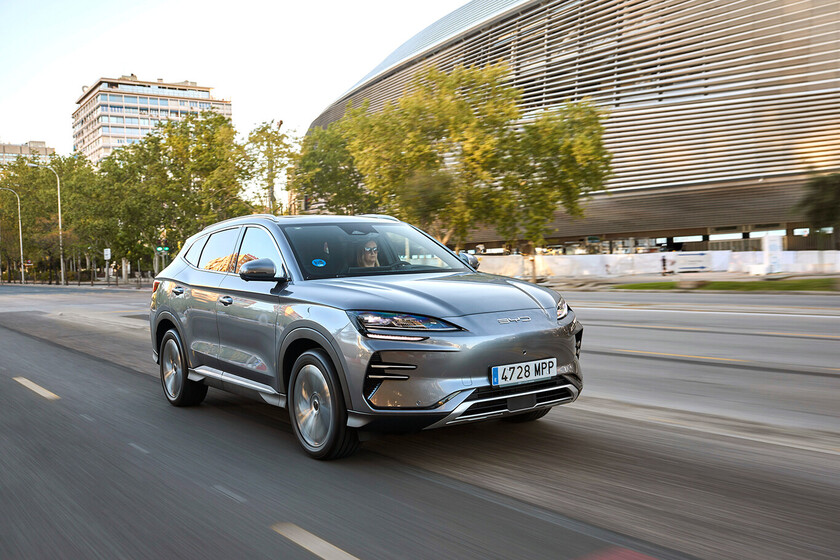
Europe is one of the world’s most challenging markets for a car manufacturer. Alongside the high level of consumer expectations—far above the American level though below the Japanese—the European driver tends to be very loyal to a single brand. At least that was the case until the arrival of Chinese electric cars.
European consumers have long prioritized a brand’s reputation when choosing a new car. Forty-five percent cite it as the most decisive factor in their decision-making process, according to a recent McKinsey study.
The Chinese brands’ edge: reputation isn’t as important when price is low
That brand-reputation-based loyalty could be fading. The survey, conducted with 5,000 people, suggests loyalty to traditional European brands is eroding, especially in the case of electric vehicles. Twenty-four percent of respondents are more willing to buy an electric car from a new or unknown brand than a combustion-engine car from the same brand. Among premium brands that figure rises to 34%.
On the other hand, this market opening toward new competitors appears poised to consolidate. According to the reliability index from the consumer association OCU, emerging brands such as BYD now match or surpass traditional European manufacturers in satisfaction and durability, erasing the historic buyer’s fear of new brands.
Tesla is the best example of this. With just a little over twenty years of existence it has become synonymous with electric cars. The American brand no longer commands the same solid leadership after BYD’s breakthrough or BMW’s rebound surpassing Volkswagen.

Newly emerging brands focused on electric vehicles such as Polestar and BYD have ceased to be just emerging, becoming recognized and assimilated by a large portion of those surveyed.
The shift toward electric cars has leveled the playing field, since consumers know fewer electric models. This gives them an opportunity to catch up with traditional brands in terms of recognition and reach the public. It’s true that everyone knows the Volkswagen Golf and not so much the Chinese electric models. Yes, but not even Volkswagen’s electric models.
But there’s more: it’s not mainly about recognition but about accepting a problem we’ve been dealing with for years: cars are too expensive.
And that’s where the ‘unknown’ brands start to hurt. Highly equipped cars, closed equipment packages, and above all a price-to-value relationship that is unbeatable among the traditional-brand players.
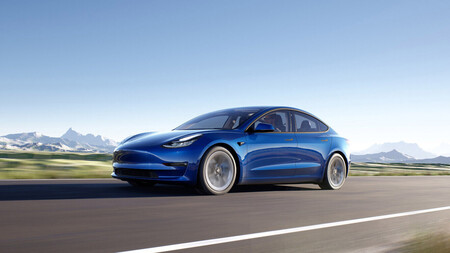
Meanwhile, Tesla is losing that disruptive image as its reputation for solid reliability wanes, while Chinese brands offer similar tech content at prices that are typically lower.
And if there is one thing that has changed above all in this period, it is the drop in range anxiety. Range anxiety has moved from the second concern to the eighth, worrying only one in five drivers instead of the previous 45%.
Find your ideal electric car
If you have considered buying an electric car, this will be of interest to you. We have created the personalized Electric Car Recommender, where in addition to viewing models that fit your needs you will also get answers to the questions that are most likely to worry you, such as price, range, or nearby charging points.

Looking for your next electric car and overwhelmed by so many options? It’s normal.
More than 45,000 readers have already tried it. How about you?
Advice provided by the brand