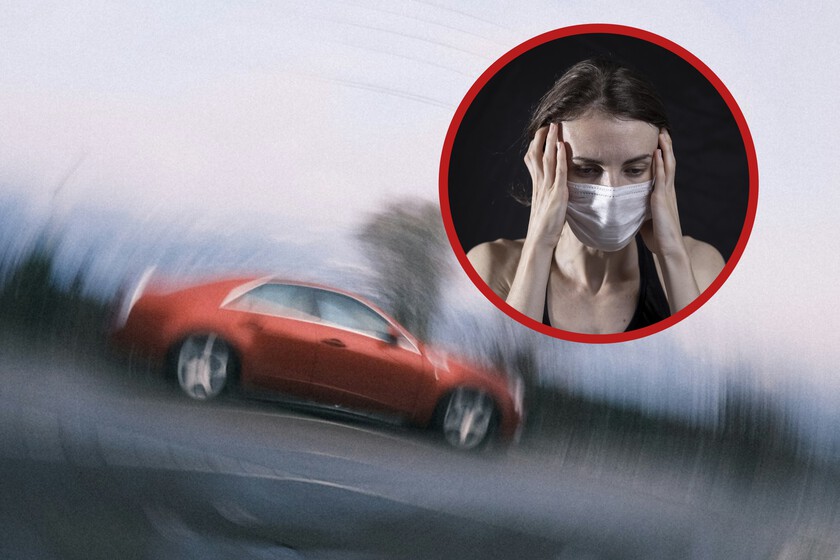
If you have hopped into an electric car and felt yourself getting dizzy, don’t worry—it’s neither rare nor dangerous: according to several recent studies, the reason lies in our brain. After years of being exposed to the cues of combustion-engine vehicles, our neurological system becomes disoriented when it no longer receives signals like the roar of the engine or the vibrations of the gears, which help anticipate movement.
An expert researcher from the Université de Technologie de Belfort-Montbéliard, William Emond, explains it perfectly in ‘The Guardian’: “the brain needs to adapt.” And although electric cars offer a smoother and quieter driving experience, that same smoothness can throw us off.
Silence, smoothness, and technology can also be disorienting
In essence, dizziness occurs when the inner ear, the eyes, and the body send conflicting signals to the brain. In electric cars this miscoordination is amplified by the absence of engine noises, gear vibrations, or sensory cues that are present in gasoline or diesel cars.
Common EV technologies such as regenerative braking have a lot to do with it, because although it is a very efficient technology (it recovers energy when slowing down), it brakes the car in a more sustained and continuous manner than usual compared with a combustion vehicle, which alters the perception of movement.
The same happens with the instant acceleration typical of electric cars, which deliver all their torque from a standstill. If the driver lacks a fine touch, the jerks when accelerating or decelerating become unpredictable for passengers. That is why experts recommend using Eco mode most of the time, which smooths the throttle response and makes driving more progressive.

Another study has also noted that even the micro-vibrations of the seat can influence that sense of disorientation.
The problem is growing, and solutions are already being sought
With electric vehicles already accounting for more than 22% of global new car sales in 2024, cases of dizziness are rising as well. Especially among passengers. The key, according to Emond, lies in anticipation: “When the forces estimated by the brain differ from what is actually experienced, a neural conflict occurs which, if it persists, can trigger the symptoms of dizziness.” That’s why people who drive usually don’t get dizzy: they know what is going to happen.
Some researchers are already working on possible solutions. The most promising approaches involve adding visual cues such as ambient lighting or screens or vibrations synchronized with movement to allow the brain to anticipate. In the meantime, simple passenger gestures like avoiding looking at screens during the trip remain the best defenses against motion sickness.
Find your ideal electric car
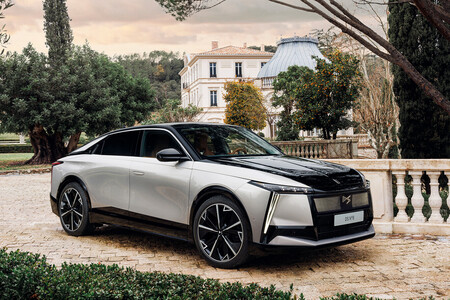
If you’ve been considering buying an electric car, this is for you. We’ve created the Personalized Electric Car Recommender, which, in addition to showing models that fit your needs, will also provide answers to the questions you’re most likely to worry about, such as price, range, or nearby charging points.

Are you looking for your next electric car and feeling overwhelmed by so many options? It’s normal.
More than 45,000 readers have already tried it. What about you?
Advice offered by the brand