
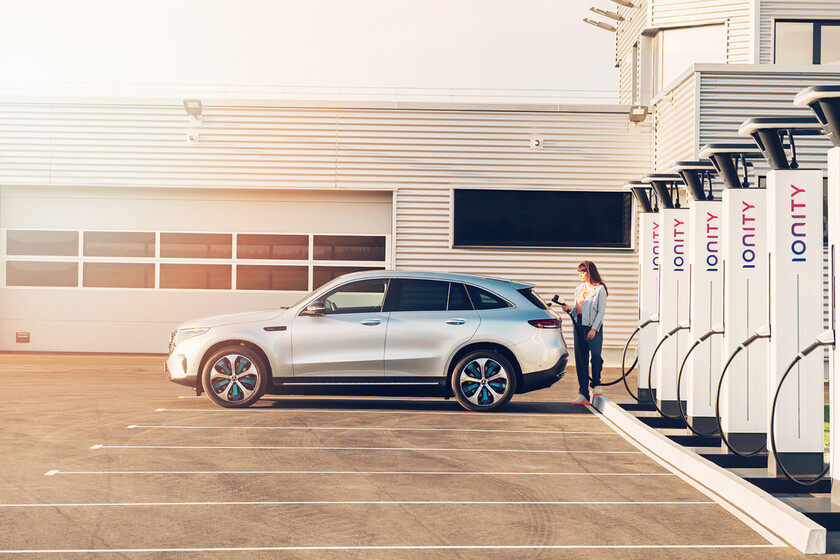
The thermometer climbs past 40 °C, the air conditioning is at full blast, and the battery range drains faster than usual. This is the flip side of summer with an electric car. With extreme heat, it can lose up to 30% of its rated range, almost as much as in the winter chill.
The problem is that a lithium-ion battery performs best between 20 and 25 °C. So at 40 °C, like all electronic devices in the end, they struggle. The good news is that modern cars know how to protect themselves quite well from that heat. The bad news is that this protection consumes energy.
Air conditioning as the main factor
The chemistry is to blame. Lithium-ion batteries perform best between 20 and 25 °C, although Renault places the safe operating margin between 18 and 35 °C. Beyond those values, the car spends energy to cool the battery. The cooling circuit runs alongside the battery, under the floor, the area most exposed to heat from the asphalt. So thermal management works nonstop to keep the cells below 30 °C. That effort also consumes battery.
Across a dataset of more than 7,500 vehicles analyzed, the loss rises up to 15% with intensive use of climate control in severe heat. Other studies report up to 31% starting at 38 °C, although that figure reflects not only the climate control but the overall efficiency loss under extreme temperatures. These are indicative figures, not a fixed value per model. Electric vehicles equipped with a heat pump suffer less than those with pure resistance heating because the same circuit that heats in winter cools in summer with lower energy use.

Charging is one of the main problems that electric cars face during a heat wave for several reasons. When the battery temperature or the charging point reaches a certain threshold, especially with fast chargers like highway stations, the electronic management systems reduce charging power for safety to prevent thermal runaway and, therefore, a potential fire risk. In other words, a car whose range has already been reduced by heat will charge more slowly.
More and more manufacturers are offering ways to mitigate this effect by enabling, manually or automatically via the route planner, a battery preconditioning to bring it to the ideal temperature before charging. However, this system consumes energy itself, which can reduce the available power.
During a DC fast charge, the energy flow inevitably generates heat inside the cells. With ambient temperatures between 35 and 40 °C and the heat built up after hours on the highway, the battery may arrive at the charger already hot.
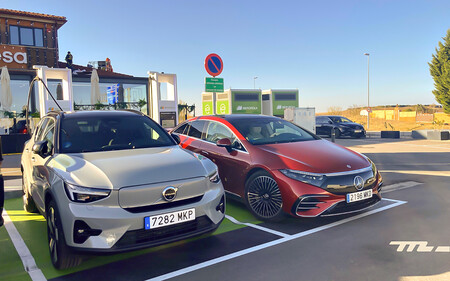
The thermal management system responds by lowering the charging power to protect the cells, a well-known phenomenon that has its own name, “rapidgate,” and it affects cars with less sophisticated cooling much more, such as the Renault Zoe or Volkswagen e-Golf (air cooling) and the first two generations of Nissan Leaf with passive cooling. Summer fast-charging stops can lengthen by about 10% to 20%.
Tips for traveling in an electric car during summer
Cooling the cabin while the car remains plugged in at home, so that the energy burden is taken by the grid rather than the battery before departure, is a good solution. After all, the air conditioner consumes more energy to cool the cabin than to keep it at a temperature once cooled.
En route, it’s wise not to charge immediately upon arriving after a long leg with a hot battery without first activating the battery preconditioning. A few minutes of leeway, used to eat or rest, allow the cooling to bring the temperature down before demanding maximum power.
As far as possible, avoid the hottest hours, between 12:00 and 16:00, for charging also helps keep the power curve high, because the charger suffers less from ambient heat.
And maintaining a moderate cruise speed, between 110 and 120 km/h, reduces both consumption and the internal temperature of the battery, translating into shorter stops.
None of this turns summer into an enemy of electric cars: current thermal management is designed to absorb these peaks without compromising the battery’s lifespan.
Find your ideal electric car
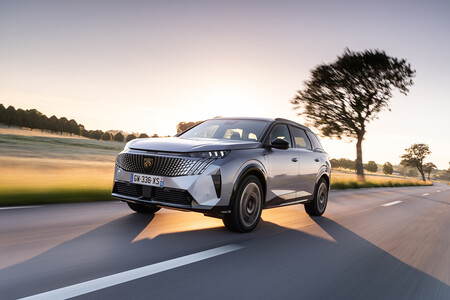
If you’ve considered buying an electric car, this will interest you. We’ve created the Personalized Electric Cars Recommender, where not only can you see models that fit your needs, but you’ll also get answers to questions that worry you most, such as price, range, or nearby charging points.

Looking for your next electric car and overwhelmed by so many options? It’s normal.
More than 45,000 readers have already tried it. How about you?
Advice offered by the brand