The New York Auto Show 2026 isn’t merely a showcase for new models. Behind Hyundai, Kia, and Subaru’s presentations, the event cannot ignore the tensions currently rippling through the global auto industry. Between the rising clout of Chinese manufacturers and geopolitical uncertainties, particularly in the Middle East, industry leaders are uneasy.
A Product Offensive to Withstand the Storm
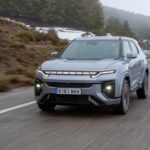
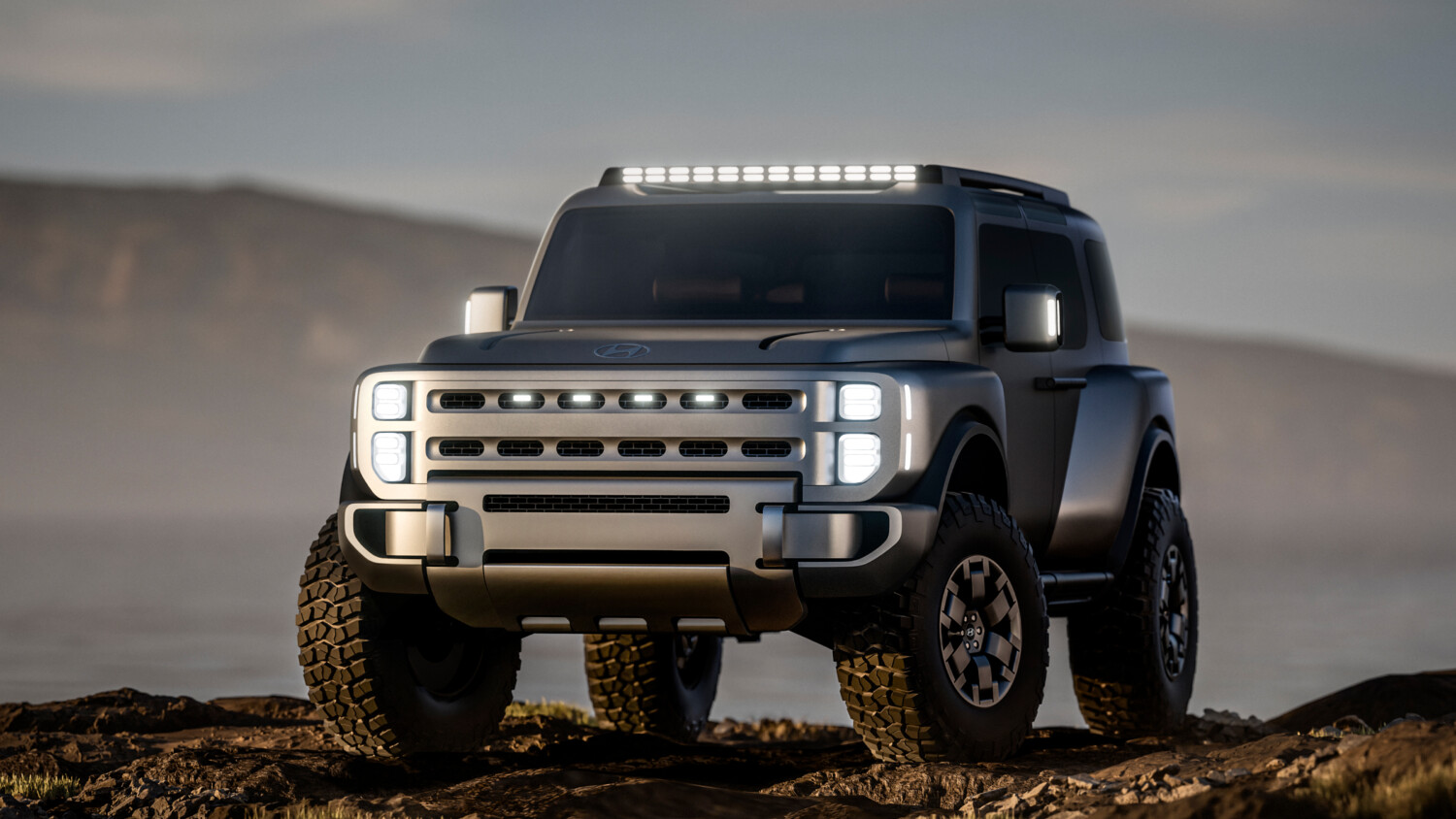
On the product front, Korean and Japanese brands are pressing their offensive even harder. Hyundai is using the show to unveil the Boulder Concept, an SUV that could be strategically positioned for the North American market, while Kia continues to push forward in electrification with several urban- and family-oriented models, such as the EV3, which is already known in Europe. Subaru, for its part, stays true to its DNA by highlighting all-wheel-drive vehicles, while beginning its transition toward electrification.
But beyond the introductions, the tone of the executives has shifted. Chinese competition has now emerged as a real threat. In a few years, Chinese automakers have managed to close the technological gap, benefiting from the rapid development of electric vehicles while maintaining a decisive cost advantage. In the United States and in Europe, this progress is a top concern as markets move toward electrification and the Chinese players are no longer lagging—indeed, they are advancing rapidly.
Chinese Competition and Geopolitical Tensions in the Background
In this context, established automakers fear an economic war with Chinese manufacturers who now pose real competition, at least in the electric market. And they are undercutting prices.
Complicating matters is a notably unstable geopolitical climate. The conflict involving Iran looms as a potential trigger for a new energy crisis. Oil prices, already rising in recent weeks, could upset the balance of the automotive market. While this situation could boost interest in electric vehicles, it also complicates supply chains and drives up production costs. By promoting electric vehicles, it’s also boosting Chinese automakers.